2026 Top Stable Warehouse Racking Systems for Better Security

Time:2026-10-01 Author:Liam
0%

Warehouse security begins with structural stability, not just cameras, locks, or restricted access. In busy facilities, a leaning upright, damaged beam, or overloaded shelf can threaten workers, inventory, and daily operations. The 2026 Top Stable Warehouse Racking Systems for Better Security explores how dependable rack design supports safer storage environments.

This guide examines selective pallet racks, heavy-duty shelving, drive-in systems, and automated storage solutions. Each option serves different load profiles, aisle widths, and handling methods. Stable racking depends on accurate load calculations, strong frame connections, floor anchoring, and visible capacity labels. Regular inspections also matter. Small defects can become expensive failures.

Strengthen Warehouse Security via Stable Racking Solutions by matching each system to real warehouse conditions. Experienced warehouse planners assess pallet weights, forklift movement, impact zones, and future expansion before choosing equipment. Engineers should review unusual layouts, uneven floors, and regional safety requirements. Practical details matter: a bent upright near a loading bay should never remain unnoticed, and loose anchors need immediate attention.

No rack is perfect. Even a well-designed system can perform poorly when workers ignore load limits or inspections. That uncomfortable point deserves attention. Reliable security comes from equipment, training, maintenance, and disciplined daily use working together. This article compares leading stable racking approaches and explains where each system performs best, helping decision-makers create organized, resilient, and more trustworthy warehouse operations.
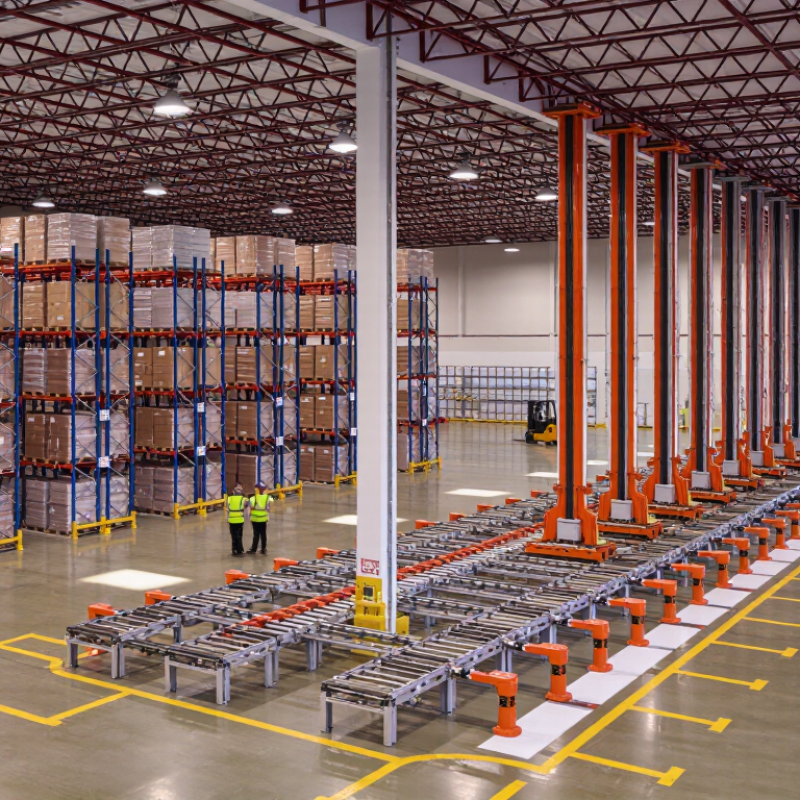
2026 Top Stable Warehouse Racking Systems for Better Security

Warehouse Racking Systems: Definition, Purpose, and Core Components

2026 Top Stable Warehouse Racking Systems for Better Security

Warehouse racking systems are engineered structures that store palletized goods vertically and safely. Their purpose is simple: use floor space efficiently while keeping products accessible, stable, and traceable. A dependable system begins with upright frames, horizontal beams, diagonal braces, and secure base plates. Each component carries a specific load and supports the whole structure. Ignoring one small connector can create a larger problem.

In daily warehouse work, operators should check beam locks, frame damage, floor anchors, and pallet placement. Safety guards can protect uprights from forklift impacts near busy aisles. Wire decking or solid panels help support loads and prevent items from falling. Clear load labels also reduce guesswork during receiving and picking. That detail matters.

Security involves more than preventing collapse. Organized rack locations, controlled access, and accurate inventory records can reduce loss and handling errors. Stable racks also keep emergency paths clearer, but poor aisle planning can defeat good equipment. No layout is perfect. Experienced teams review changing pallet weights, traffic patterns, and damaged components regularly. Inspection records should include dates, observations, corrective actions, and responsible personnel. Staff training must cover loading limits, uneven pallets, and reporting procedures. A strong system is not only well-built; it is consistently used as designed.

Key Stability and Security Features in Modern Warehouse Racks

2026 Top Stable Warehouse Racking Systems for Better Security

Modern warehouse racks must resist more than static weight. Forklift contact, uneven floors, vibration, and changing pallet loads can weaken a system over time. OSHA reports about 85 annual forklift fatalities and 34,900 serious injuries in the United States. This risk makes upright guards, bolted baseplates, and correctly rated beams essential security features.

A stable rack begins with clear load data. Each bay should display its maximum capacity, beam level, and inspection status. Safety locking pins must remain fully seated, while diagonal bracing should show no bends or missing connections. Wire mesh back panels can prevent cartons from falling into walkways. Anchors matter too, especially where seismic movement or frequent vehicle traffic is expected. The Rack Manufacturers Institute’s technical guidance emphasizes engineered design, approved components, and documented inspections.

Security is also a daily operating habit. The 2024 MHI Annual Industry Report shows that supply chain organizations continue investing in digital visibility and automation, yet technology cannot correct a damaged upright. A simple inspection app may flag impact marks quickly, but trained workers still need to judge the damage. We often focus too much on new equipment. That is a weak point. A better system combines physical protection, visible records, scheduled checks, and disciplined loading practices. Each pallet should sit squarely, with no overhang and no improvised repair.

Top Warehouse Racking System Types for Different Storage Needs

Warehouse storage rarely has one perfect answer. Selective pallet racking suits mixed inventory and frequent picking, with each pallet visible from the aisle. It also supports safer stock checks. The 2024 MHI Annual Industry Report found that 55% of supply chain leaders expect artificial intelligence adoption within one to two years. That trend makes adjustable racks valuable, because layouts may change as inventory data improves.

High-density storage needs a different design. Drive-in racking stores large quantities of similar products, while push-back racking improves access without using every aisle. For cartons, carton-flow racks use gravity rollers and support first-in, first-out rotation. Cantilever racks handle long goods such as pipes, timber, and metal profiles.

Mobile racking can increase usable floor capacity, but emergency access and floor loading require careful engineering. Space saved is not automatically safety gained.

Small parts need discipline. Bin shelving, labelled locations, and controlled access reduce picking errors and misplaced items. The U.S. Occupational Safety and Health Administration requires stored materials to remain secure against sliding or collapse under 29 CFR 1910.176(b). I have seen dense racks become difficult to inspect when labels fade or aisles narrow. That weakness is easy to overlook.

A sensible system combines rack guards, load plaques, regular inspections, and trained operators. The best choice depends on product weight, turnover, pallet dimensions, fire protection, and the real movement pattern—not only the available floor area.

How to Select, Install, and Maintain Safe Warehouse Racking

2026 Top Stable Warehouse Racking Systems for Better Security

Selecting, installing, and maintaining warehouse racking requires more than comparing load ratings. Start with pallet dimensions, product weight, forklift movement, and available ceiling height. A qualified engineer should verify the floor capacity and local safety requirements. Choose frames with clear load data, secure beam locks, and suitable upright protection. A neat layout can still hide weak points.

Installation accuracy matters. Keep aisles level, maintain safe clearance, and anchor each upright according to the approved design. Use a calibrated torque wrench, not guesswork. Check every connector before loading the first pallet. Heavy goods belong on lower levels. Never mix components with unknown specifications. I have seen small alignment errors become expensive repairs after repeated forklift contact.

Tips: Place visible load notices at aisle ends. Inspect frames weekly for bending, loose anchors, missing locks, and damaged guards. Record findings with dates and photographs. Remove unsafe sections from service immediately. After a collision, stop using the affected bay until a competent person checks it. Monthly inspections are useful, but they may not catch every problem. Encourage workers to report unusual movement, leaning frames, or unstable pallets. Maintenance plans should be practical, documented, and reviewed when products or equipment change.

2026 Trends Improving Warehouse Rack Security and Operational Control

2026 Top Stable Warehouse Racking Systems for Better Security

2026 Trends Improving Warehouse Rack Security and Operational Control

Warehouse rack security is moving beyond stronger steel. It now combines structural stability, digital visibility, and disciplined daily inspections. The MHI 2024 Annual Industry Report found that 55% of supply chain leaders planned to increase technology investment. This shift supports smarter rack monitoring and faster maintenance decisions.

Modern facilities are adding load sensors, barcode scans, and warehouse management system alerts. These tools can identify overloaded beams, missing safety pins, or unusual impact patterns. Clear load plaques still matter. A digital alert cannot replace visible instructions beside every bay. OSHA guidance also recommends removing damaged components from service until qualified personnel assess them. That step is simple, but busy teams sometimes delay it.

Tips: Inspect uprights, beams, anchors, and safety locks at the start of each shift. Photograph damage immediately. Record repairs digitally. Train forklift operators around blind corners and pedestrian zones. Use impact barriers where repeated contact occurs.

Operational control improves when inspections create usable evidence. Managers can compare recurring damage by aisle, shift, or equipment type. However, sensor systems are not perfect. They can miss slow deformation or misread temporary loads. Human judgment remains necessary. Industry reports often measure technology adoption, not actual rack failure reduction. That limitation deserves attention before managers trust dashboards too much.

2026 Top Stable Warehouse Racking Systems for Better Security - 2026 Trends Improving Warehouse Rack Security and Operational Control

Racking System Typical Application Security Exposure Recommended Security Controls Operational Control Features Access Selectivity Security Priority
Adjustable Pallet Racking Mixed-SKU pallet storage with frequent access and varied inventory profiles. Unauthorised access, pallet displacement, impact damage, and inventory misplacement. Controlled entry points, rack-end guards, upright protectors, load notices, aisle CCTV, and documented damage reporting. Barcode or RFID location control, warehouse-management-system slot verification, and cycle counting. High High
Double-Deep Pallet Racking Higher-density storage for products with moderate SKU variety and planned replenishment. Reduced visibility of rear pallets, retrieval errors, and concealed damage. Position verification, reach-truck operator controls, aisle cameras, load-depth checks, and restricted equipment access. Directed put-away, pallet-position scanning, FIFO or FEFO rules, and exception alerts for blocked locations. Medium High
Drive-In / Drive-Through Racking High-density storage for batches or products with limited SKU variation. Forklift collision risk, limited aisle visibility, pallet damage, and difficult stock inspection. Traffic separation, entry barriers, impact protection, speed controls, aisle lighting, and camera coverage at entry points. LIFO or FIFO lane rules, lane identification, vehicle-access authorization, and frequent condition checks. Low to Medium Very High
Mobile Pallet Racking Space-efficient storage where access aisles are opened only when required. Crushing hazards during movement, access-control failures, and unsafe aisle entry. Interlocked aisle controls, presence detection, emergency stops, warning lights, keyed authorization, and safety barriers. Controlled aisle selection, movement logs, operator permissions, fault alarms, and automated status monitoring. Medium Very High
Cantilever Racking Long, bulky, or non-palletized goods such as pipes, timber, profiles, and panels. Material overhang, falling objects, unauthorized handling, and aisle obstruction. End stops, arm restraints, load labels, designated handling zones, aisle barriers, and controlled lifting equipment. Length-based location coding, item dimensions in inventory records, and handling-status tracking. High High
Carton Flow Racking Fast-moving cartons, order picking, and FIFO-controlled inventory. Picking errors, unauthorized product removal, carton jams, and overloaded flow lanes. Pick-face access control, barcode confirmation, lane dividers, stop bars, and CCTV in high-value picking zones. FIFO rotation, pick-to-light or scan confirmation, replenishment alerts, and real-time order status. High Medium
Automated Storage and Retrieval System High-throughput or high-value inventory requiring controlled automated storage and retrieval. Cybersecurity exposure, unauthorized system access, equipment faults, and restricted emergency access. Role-based permissions, network segmentation, audit logs, safety fencing, interlocks, emergency stops, and backup procedures. Inventory-system integration, automated location validation, transaction histories, alarm management, and performance dashboards. Very High Very High
Control baseline: Rack design, rated capacities, clearances, protection systems, inspections, and modifications should be verified by a qualified professional against applicable local regulations and recognized guidance, such as EN 15635 or OSHA material-handling requirements. Visual inspections should be risk-based, with damage reported immediately and formal expert inspections scheduled according to the governing requirements.

FAQS

What makes a warehouse rack stable and secure?

Stability depends on rated beams, anchored uprights, sound bracing, and level floors. Forklift impacts and uneven pallets can weaken racks over time. Small defects matter.

What information should appear on each rack bay?

Display the maximum load, beam levels, and inspection status. Place notices where forklift operators can see them easily. Clear records reduce guesswork.

How should rack components be checked after installation?

Confirm every beam connector and locking pin is fully seated. Check anchors, braces, baseplates, and upright alignment. Use a calibrated torque wrench during installation.

Which products should be stored on lower rack levels?

Place heavier goods on lower levels whenever possible. Keep pallets square, stable, and fully supported. Do not allow pallet overhang.

How often should warehouse racks be inspected?

Inspect critical parts at the start of each shift. Complete documented weekly checks for bends, loose anchors, missing locks, and damaged guards. Monthly reviews alone may miss problems.

What should workers do after a forklift collision?

Stop using the affected bay immediately. Photograph the damage and record the location. A competent person should assess the rack before loading resumes.

Can digital sensors replace physical rack inspections?

No. Sensors may identify overloads, missing locks, or repeated impacts. They can miss slow deformation or temporary loading conditions. Human judgment remains necessary.

How can a warehouse reduce repeated rack damage?

Study damage by aisle, shift, and forklift route. Add upright guards or impact barriers near frequent contact points. Improve visibility around blind corners and pedestrian areas. We may blame equipment too quickly. Layout problems deserve attention.

Conclusion

Warehouse racking systems are essential structures for organizing, protecting, and efficiently accessing stored goods. This article explains their definition, purpose, and core components, including frames, beams, braces, decking, and safety accessories. It also examines key stability and security features, such as load-rated designs, impact protection, anchoring, anti-collapse measures, clear labeling, and routine inspections. By matching rack configurations to storage needs, facilities can improve space utilization while supporting safer daily operations.

Strengthen Warehouse Security via Stable Racking Solutions by selecting appropriate systems, planning professional installation, and following practical maintenance procedures. The article compares common options for different inventory types and workflows, then highlights 2026 trends that improve rack security and operational control, including sensor-based monitoring, automated alerts, digital inspections, and data-driven maintenance planning. Together, these strategies help reduce structural risks, prevent avoidable damage, improve inventory visibility, and create a more reliable warehouse environment.

Liam

Liam

Liam is a dedicated marketing professional with a profound expertise in the industry, where he excels at highlighting the unique advantages of our core products. With a keen understanding of market trends and consumer needs, Liam frequently updates our company’s professional blog, providing......