In the fast-paced world of logistics, efficient warehouse organization is crucial. Experts agree that effective racking solutions can transform your storage capabilities. John Smith, a renowned warehouse optimization consultant, emphasizes, "The right racking system can significantly increase productivity and space utilization."
To achieve better warehouse organization using racking solutions, it is essential to assess your specific needs. Different racking styles can offer unique benefits, whether it's selective, drive-in, or pallet flow racking. Understanding your inventory flow is key. Poor organization often leads to wasted space and time. A well-implemented racking system can alleviate these issues, but it requires careful planning.
Implementing effective racking solutions isn’t without its challenges. Companies might face resistance to change or underestimate the effort needed to reorganize their space. In some cases, the initial costs may seem daunting. However, the long-term benefits of achieving better warehouse organization far outweigh these hurdles. With the right strategy, businesses can enhance efficiency and drive growth.
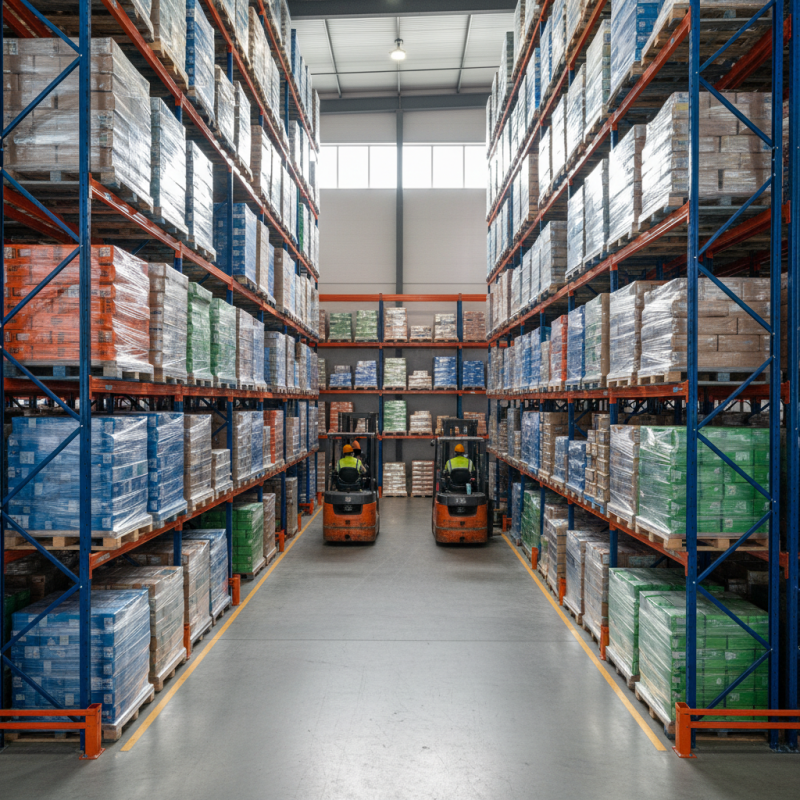
Understanding the Importance of Warehouse Organization for Efficiency
Efficient warehouse organization is crucial for operational success. Research shows that 82% of companies focus on improving warehouse efficiency as a priority. A well-organized warehouse minimizes confusion and optimizes productivity. When shelves and racking systems are smartly arranged, picking and packing processes become smoother, reducing time spent on tasks.
Consider implementing these tips for better organization:
Use vertical space wisely.
Racking solutions can help you utilize height in your warehouse. This not only gives you more storage but also makes navigating easier. Regularly assess aisles for clutter as it can slow down operations significantly.
According to a study, misplaced items can cost up to 20% of a warehouse's revenue due to inefficiencies.
Additionally, keep in mind the flow of goods. A clear path allows for quick access and reduces unnecessary movement. Workers spend about 30% of their time looking for items, which could be minimized with effective racking strategies. Review your system periodically; this will highlight areas for improvement and keep your operations efficient.
Exploring Various Types of Racking Solutions for Warehouse Needs
Effective warehouse organization is pivotal for operational efficiency. Racking solutions play a critical role in optimizing storage space and improving productivity. Various types of racking systems cater to different warehouse needs, such as selective racking, drive-in racking, and pallet flow racking. According to a report by the Material Handling Industry of America, optimizing warehouse storage can increase efficiency by up to 30%.
Selective racking, the most common type, allows easy access to individual pallets. It maximizes space while ensuring that products are accessible. Drive-in racking, on the other hand, is designed for high-density storage. However, while it maximizes space, it can lead to accessibility issues. Understanding your inventory turnover is crucial in choosing the right system.
Tips: Assess the volume of fast-moving items versus slow movers. Tailor your racking choice to your stock levels. Regularly reviewing your warehouse layout can reveal areas needing improvement. Small adjustments can lead to significant gains in productivity. Evaluate every aspect of your racking system periodically; it may not be as efficient as first thought. Rethinking your approach could save time and enhance overall efficiency.
Warehouse Organization Efficiency with Racking Solutions
This chart illustrates the efficiency of various racking solutions used in warehouses, measured in units per hour. Understanding these metrics can help you select the best racking solution to enhance productivity and organization in your warehouse operations.
Key Factors to Consider When Choosing Racking Systems
When considering racking systems for warehouses, it's essential to focus on several key factors. The type of products stored plays a major role in your racking choice. Heavy, bulky items require robust racking, while smaller items can often use lighter systems.
Tip: Assess your inventory thoroughly. Understand dimensions, weights, and turnover rates of your products. This clarity will guide your racking selection.
Another factor is the warehouse layout. Efficient use of space maximizes storage capacity and reduces operational costs. Consider the aisle width and accessibility. A well-organized system prevents congestion and ensures smooth workflow.
Tip: Conduct a walkthrough of your warehouse. Identify bottlenecks and areas needing improvement. Adapt your racking solutions based on these findings for better organization.
Finally, safety compliance is non-negotiable. Racks must meet safety standards to protect employees and inventory. Regular inspections are vital, yet often overlooked.
Tip: Create a maintenance schedule. Ensure your racking systems are regularly checked. This not only enhances safety but also prolongs the lifespan of the equipment.
Best Practices for Implementing Racking Solutions in Warehouses
Implementing effective racking solutions in warehouses can significantly improve organization and efficiency. According to a report by the Warehousing Education and Research Council, poorly organized warehouses can waste up to 25% of time in picking and handling. Businesses should start by analyzing their space and inventory needs. Customizing racking systems to fit specific requirements is crucial. Off-the-shelf solutions may not meet all demands.
Another key practice is to standardize processes across the warehouse. Consistency in how goods are stored and accessed can enhance productivity. Research shows that standardization can boost efficiency by up to 30%. Additionally, employee training is vital. Employees must understand the racking systems and safety protocols to prevent accidents. Regular assessments of the setup can help identify inefficiencies. Reflections on practices are essential for continuous improvement.
Lastly, consider integrating technology. Barcode systems or warehousing management software can streamline inventory tracking. Studies indicate that technology integration can reduce operational costs by approximately 20%. However, relying solely on tech can be risky if staff lack training or if the systems malfunction. Balancing technology with human oversight will help maintain effectiveness in the long run.
Maintaining and Optimizing Racking Systems for Long-Term Organization
Maintaining and optimizing racking systems is essential for long-term warehouse organization. A well-structured racking system can save time and reduce costs. However, many warehouses face challenges that hinder their efficiency. Regular audits and adjustments can ensure the system meets evolving needs.
Tip: Analyze your storage needs frequently. Ensure that the racking setup aligns with changing inventory patterns. Ignoring this may lead to unnecessary clutter.
Invest in training for your staff. They should understand how to utilize the racking systems properly. Undertrained employees might not handle the equipment safely, leading to accidents. Additionally, ensure that safety protocols are followed strictly to avoid potential hazards.
Tip: Schedule routine maintenance checks. Even the best racking systems can wear down without care. This can lead to expensive downtime and, in some cases, injuries. Regular updates can prevent these issues and promote a culture of safety.
FAQS
: Focus on product type, warehouse layout, and safety compliance.
Heavy items need robust racking. Smaller items can use lighter systems.
It maximizes storage capacity and reduces operational costs.
Conduct a walkthrough to identify bottlenecks. This helps refine your racking solutions.
Racks must meet safety standards. Regular inspections are crucial for protecting employees and stock.
Barcode systems and software streamline inventory tracking but require staff training.
Employees need to understand racking systems and safety protocols to avoid accidents.
Consistency in storage leads to improved productivity and efficiency.
Regular audits ensure the system meets changing inventory patterns. Ignoring this can lead to clutter.
Schedule routine checks. This prevents wear and reduces downtime while promoting safety.
Conclusion
Achieving better warehouse organization using racking solutions is essential for enhancing operational efficiency and maximizing space utilization. Understanding the various types of racking systems available is crucial, as each type serves different warehouse needs based on inventory types and workflows. When considering racking solutions, key factors such as weight capacity, accessibility, and the layout of the warehouse should be evaluated to ensure optimal performance.
To implement these racking solutions effectively, best practices must be followed, including proper layout planning and staff training on system usage. Additionally, maintaining and optimizing racking systems over time is vital for sustaining organized operations. By focusing on these elements, warehouses can significantly improve their organization, streamline processes, and ultimately boost overall productivity.

 Asia Racking