10 Best Racking Solutions to Optimize Storage Density?

Time:2026-07-08 Author:Mason
0%

In today's fast-paced world, optimizing storage density is crucial for businesses of all sizes. Industry expert John Smith, a specialist in warehouse management systems, emphasizes the importance of innovative racking solutions. He states, "To maximize efficiency, we must optimize storage density using effective racking solutions."

Many companies struggle with space efficiency. Inefficient storage setups can waste valuable resources. By adopting smart racking systems, organizations can enhance their storage capabilities. This not only reduces costs but also improves workflow.

Effective racking solutions can transform a cluttered warehouse into an organized space. Consider implementing adjustable shelving, drive-in racks, or automated storage systems. Each option presents unique benefits and challenges. Reflecting on past choices can lead to better decision-making in the future. Investing in the right racking system may redefine storage possibilities, allowing businesses to truly optimize storage density using effective racking solutions.
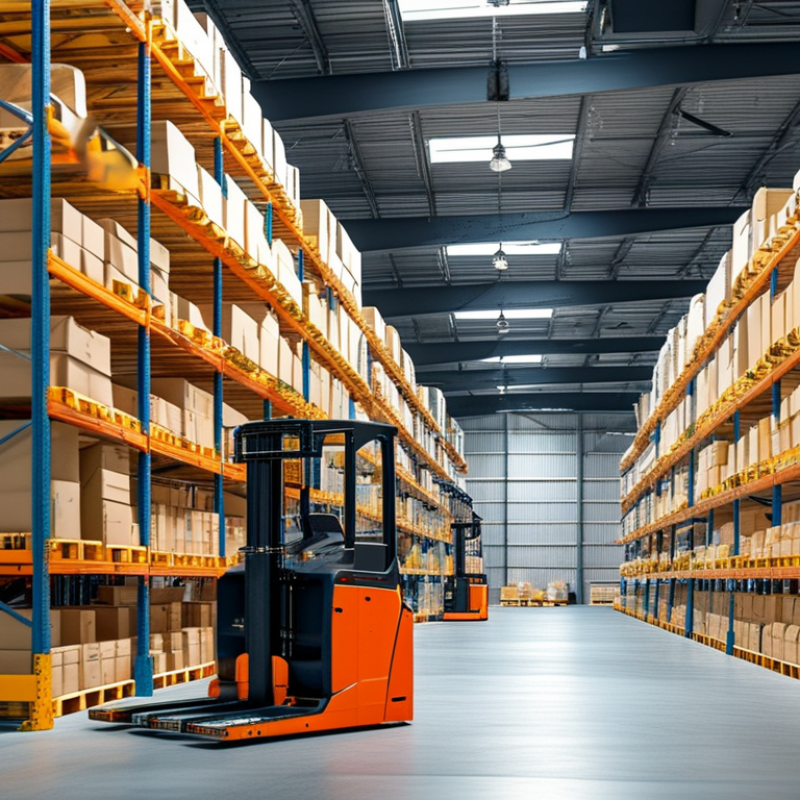
10 Best Racking Solutions to Optimize Storage Density?

Top Considerations for Choosing Racking Solutions

When selecting racking solutions, several key factors come into play. One primary consideration is the type of goods you are storing. Fragile items require different racking systems than heavy goods. Understanding the weight and volume of your inventory helps in making an informed choice. Think about the accessibility of products. Frequent access means you need a solution that allows easy retrieval. Prioritize designs that fit your workflow.

Space utilization is crucial. Measure your facility’s dimensions before deciding on a racking system. Vertical racking can maximize unused height, increasing storage density. However, tall racking can create safety issues. Evaluate how your team navigates the space. Narrow aisles may hinder movement and lead to accidents.

Consider the future. Will your inventory increase over time? Flexibility in your racking system is essential. Those that can adapt will save you from costly renovations later. Choose materials that offer durability and resistance to wear. Low-quality materials might seem like a cost-saving option but can lead to higher expenses down the road. Look for solutions that balance quality and cost, reflecting long-term value rather than initial savings.

10 Best Racking Solutions to Optimize Storage Density

Racking Solution Storage Density Accessibility Cost Efficiency Ideal For
Selective Racking Medium High Moderate All-purpose Storage
Push Back Racking High Moderate High FIFO Inventory
Drive-In Racking Very High Low Moderate Bulk Storage
Cantilever Racking Medium High High Long or Odd-shaped Items
Mobile Racking Very High Moderate High Limited Space
Pallet Flow Racking High High Moderate High-Volume Storage
Vertical Racking Very High Low Moderate Small Items
Double Deep Racking High Moderate High Warehouses with Space
Carton Flow Racking High High Moderate Items with High Turnover
Shelf Racking Medium High High Small To Medium Items

Types of Racking Systems for Different Storage Needs

Choosing the right racking system is essential for efficient storage management. Various racking solutions cater to different needs. For instance, pallet racking suits high-density storage, especially in warehouses. A report by the Material Handling Industry (MHI) notes that optimized pallet racking can increase storage capacity by up to 40%. However, how you implement this can make a significant difference.

Drive-in racking systems allow for maximum space utilization. These systems work best for uniform products and high turnover rates. They reduce aisle space, thus boosting storage density. However, they can pose challenges for inventory management. Operational efficiency might decline if stock rotation isn't handled correctly.

Cantilever racking is another option, ideal for long or irregular items. This system provides easy access, but it may not be suitable for all environments. The flexibility to customize racking height is a plus. Yet, it could lead to underutilization if not appropriately designed for the inventory type. Each system serves unique requirements and presents its own set of complexities. Understanding these nuances is crucial for optimizing warehouse performance.

How to Assess Your Warehouse Space for Optimal Racking

Assessing your warehouse space is crucial for optimizing racking solutions. Begin by measuring the dimensions of your warehouse. Take note of ceiling heights, which can influence vertical storage options. Look for areas that are underutilized or difficult to access. These are prime candidates for creative racking solutions.

Tips: Consider using adjustable racking systems. They provide flexibility as your inventory needs change. Make sure to involve your team in the assessment process. Their insights can reveal inefficiencies you may overlook.

Evaluate your flow of goods. Identify how products enter, move, and leave your space. Racking should facilitate this flow rather than hinder it. Sometimes, a layout that seems efficient may actually slow down operations. Conduct periodic reviews of your storage setup, as needs evolve over time.

Tips: Create zones for similar items. This can save time during picking and stocking. Assess your racking regularly to ensure it's meeting your needs effectively. It’s okay to readjust your strategies based on real-world experiences.

Warehouse Space Optimization: Racking Solutions Comparison

Best Practices for Maximizing Storage Density with Racks

Maximizing storage density is essential for any efficient warehouse operation. One effective approach is to utilize vertical space. Tall racking systems can help achieve this. Installing racks that extend to the ceiling enables better use of unused airspace. However, careful planning is vital. Overloading racks can lead to safety hazards and inefficiencies.

Another best practice involves organizing items by frequency of use. Place often-accessed products at eye level. This reduces the time your staff spends searching for items. Consider using a mix of shelving types. Adjustable racks can accommodate different product sizes. Yet, balancing flexibility with structural integrity is crucial. Unpredictable changes in storage needs can strain the system.

Implementing lean inventory principles also supports optimal density. Regularly review stock levels and remove obsolete items. This keeps the space uncluttered and usable. Training staff on best practices cannot be overlooked. They are the frontline in maintaining an organized warehouse. It's a continuous process, and errors can occur. Reflection on past choices can lead to better future decisions. Emphasizing ongoing improvement is key to mastering storage density challenges.

Future Trends in Racking Technology for Enhanced Efficiency

The future of racking technology is set to transform storage solutions significantly. Enhanced efficiency is at the forefront of new developments. Automated systems are increasingly common. They can manage inventory with minimal human intervention. Such technology reduces errors and increases speed in retrieval.

Smart racking solutions are not only about automation. Advanced analytics play a crucial role. Real-time data tracking enables better decision-making. Companies can adapt their storage strategies based on accurate demand forecasts. However, integrating these technologies can pose challenges. Organizations must invest in training and infrastructure.

Sustainability is another trend shaping the industry. Environmentally friendly materials are becoming preferred choices. This shift requires reflecting on current practices. Companies need to assess their ecological impact. Balancing efficiency with sustainability can lead to innovative solutions. It's an evolving landscape that demands agility and foresight. The future holds great promise for those willing to adapt.

FAQS

: What is a key strategy for maximizing storage density in warehouses?

: Utilizing vertical space with tall racking systems is essential for maximizing storage density.

How should items be organized in a warehouse for efficiency?

Organize items by frequency of use, placing often-accessed products at eye level.

Why is careful planning important when installing racks?

Overloading racks can create safety hazards and operational inefficiencies.

What role does staff training play in warehouse organization?

Training staff on best practices ensures they maintain an organized and efficient workspace.

What inventory principle can help maintain optimal storage density?

Implement lean inventory principles by regularly reviewing stock and removing obsolete items.

How can future racking technology improve warehouse efficiency?

Automated systems increase speed and reduce errors in inventory management.

What is a challenge when adopting new racking technologies?

Integrating new systems requires investment in training and necessary infrastructure.

How do smart racking solutions utilize technology?

They use advanced analytics and real-time data tracking for better decision-making.

Why is sustainability becoming important in racking solutions?

Reflecting on ecological impacts helps companies adopt environmentally friendly materials.

What is essential for adapting to future trends in warehouse management?

Agility and foresight are crucial for companies willing to embrace new storage solutions.

Conclusion

In today's fast-paced logistics environment, effectively managing warehouse space is crucial. To optimize storage density using effective racking solutions, it’s important to consider various factors, including the type of racking system that best suits specific storage needs. Whether it’s pallet racking, cantilever racking, or shelving systems, aligning the right solution with your inventory type and handling equipment can greatly enhance efficiency.

Assessing your warehouse space is another key step, allowing you to identify areas for improvement and select racking solutions that maximize vertical and horizontal space. Implementing best practices, such as regular audits and employee training on racking systems, can further enhance storage density. Moreover, staying informed about future trends in racking technology, such as automation and smart racking systems, will ensure that your organization remains competitive and efficient in utilizing warehouse space effectively.

Mason

Mason

Mason is a seasoned marketing professional with a deep expertise in the company's offerings and a passion for driving brand awareness. With a strong background in digital marketing strategies, he has an innate ability to connect with diverse audiences and effectively communicate product benefits.......