10 Best Ways to Reduce Operational Risks with Racking Management?

Time:2026-06-19 Author:Amelia
0%

In the fast-paced world of warehousing, operational risks are always a concern. Companies face challenges that can lead to accidents and financial losses. Addressing these risks effectively is crucial for operational success. One of the most effective strategies is to reduce operational risks with standardized racking management.

Standardized racking systems play a key role in enhancing safety and productivity. Implementing clear guidelines helps organizations avoid costly mistakes. Consistency in racking management ensures that all employees understand safety protocols. This reduces the likelihood of accidents and improves overall efficiency. However, it's important to recognize that even with standardization, challenges can arise.

Reflecting on experiences, not all racking systems are foolproof. Regular audits and employee training are essential. Simply having a standard in place is not enough; ongoing assessment is vital. Balancing efficiency with safety can be complicated. Yet, through meticulous planning and continuous improvement, businesses can significantly minimize risks.
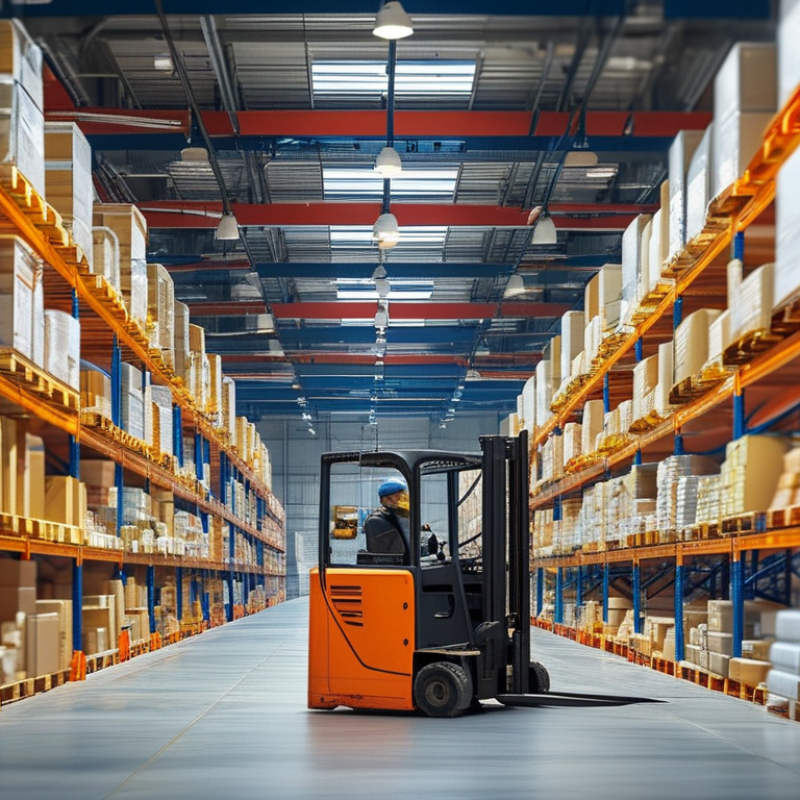
10 Best Ways to Reduce Operational Risks with Racking Management?

Understanding Operational Risks in Warehouse Management

Operational risks in warehouse management can significantly impact efficiency and safety. According to a 2022 industry report, nearly 37% of warehouse accidents are attributed to poor racking systems. This statistic emphasizes the need for efficient racking management. High-density storage can maximize space but may also introduce complexity. Overloading racks can lead to structural failures. Regular inspections and maintenance are essential.

Data from the Warehouse Safety Council shows that 45% of warehouses lack adequate training for staff handling racking systems. This gap often leads to injuries and costly damages. Implementing comprehensive training programs can drastically lower risk. Educating staff about safe practices can improve operational reliability. Moreover, correctly labeling and organizing racking can enhance safety further.

Inadequate racking management can have long-term effects. Companies face potential fines, increased insurance costs, and damage to reputation. A proactive approach is vital. Investing in quality racking systems and ongoing employee education are ways to mitigate these risks. Managing operational risks requires continuous evaluation and improvement.

Key Principles of Effective Racking Management

Effective racking management is crucial for reducing operational risks in warehouses. It ensures safety and efficiency in storage systems. A well-designed racking system allows easy access to inventory. Regular inspections are essential to identify weak points. This helps address them before they cause accidents.

Understanding load capacities is a key principle. Each racking unit has specific limits. Overloading can lead to structural failure. Training staff on these limits is vital. They should understand the importance of compliance. Practical knowledge helps prevent mishaps and enhances safety.

Moreover, maintaining an organized layout reduces confusion. It streamlines operations and minimizes the risk of errors. Staff must know where everything is stored. Clear labeling of shelves can help. Simple fixes like these contribute to a safer work environment. It's important to regularly reflect on current practices. An effective racking system is not a one-time solution; it needs ongoing evaluation.

10 Best Ways to Reduce Operational Risks with Racking Management

Strategy Description Benefits
Regular Inspections Conduct frequent inspections of racking systems to identify any signs of damage or wear. Enhances safety and ensures compliance with regulations.
Employee Training Provide comprehensive training for employees on proper racking usage and safety protocols. Reduces accidents and increases efficiency.
Weight Capacity Management Clearly label and enforce load limits on each racking unit. Prevents structural failures and injuries.
Proper Maintenance Schedule regular maintenance checks and repairs for racking systems. Extends the lifespan of the equipment and minimizes risks.
Utilization of Safety Features Incorporate safety features such as guards or barriers in racking systems. Improves overall workplace safety.
Effective Layout Planning Design racking layouts that facilitate easy access and optimal space use. Enhances workflow and reduces congestion in work areas.
Technology Integration Utilize warehouse management systems for real-time monitoring of inventory and racking conditions. Increases accuracy and reduces human error.
Damage Reporting System Implement a straightforward process for reporting and documenting any racking damage. Facilitates quicker response and remediation.
Risk Assessment Audits Perform regular risk assessment audits to identify potential racking hazards. Proactively addresses vulnerabilities before they escalate.

Implementing Regular Inspections and Maintenance Practices

Regular inspections and maintenance practices are essential for effective racking management. These practices help to identify potential hazards early. A visual check for damages or wear can prevent costly accidents. Inspecting racking systems can reduce the likelihood of failures that lead to operational disruptions. Statistics show that regular maintenance can increase longevity and efficiency.

Creating a schedule for inspections is crucial. This involves checking each rack system at predetermined intervals. Utilize a checklist to ensure thorough evaluations. Include details such as the condition of beams and uprights. Pay attention to signs of corrosion or instability. In addition, staff training is vital. Educate employees on how to spot problems during their daily routines. Encourage reporting any abnormalities promptly.

Reflecting on inspection practices is important, too. Sometimes teams may rush through checks, leading to overlooked issues. Establishing a culture that prioritizes safety can shift this mindset. Consistency in maintenance ensures systems remain compliant and safe. A proactive approach not only reduces risks but also builds trust within the organization.

Training Employees on Safety and Compliance Standards

Training employees on safety and compliance standards is crucial for effective racking management. A report by the Occupational Safety and Health Administration indicates that proper training can reduce workplace accidents by up to 30%. To enhance safety, organizations must prioritize regular training sessions tailored to their specific operations. This creates a culture of safety awareness and encourages employees to engage actively in their own safety.

Tips: Conduct hands-on training to reinforce theory. Engaging employees this way increases retention of safety protocols.

Additionally, regular assessments of employee understanding are vital. A study from the National Safety Council highlights that continuous education can lower incident rates significantly. Implementing refresher courses keeps safety standards top-of-mind and empowers employees to report unsafe practices without fear. This proactive approach leads to a safer workplace environment.

Tips: Utilize real-life scenarios during training. This method improves problem-solving skills in potential hazard situations.

Utilizing Technology for Enhanced Racking Efficiency and Safety

In today's fast-paced warehouse environment, utilizing technology is crucial for enhancing racking efficiency and safety. Advanced systems can monitor rack conditions in real time. This improves inventory management and reduces risks associated with improper racking.

Tips: Invest in automated inventory systems. These systems can streamline stock tracking and help prevent overloading racks. Also, consider implementing mobile apps for staff. Real-time alerts can enhance communication, ensuring quick responses to potential hazards.

Regular maintenance is vital for racking systems. Even with technology, inspections should not be overlooked. Staff should be trained to identify subtle signs of wear. This proactive approach can minimize costly accidents and downtime.

Technology can sometimes fail or present false positives. Relying solely on automated systems can create a false sense of security. Balancing tech with human oversight is essential for a robust racking strategy.

FAQS

: Why is effective racking management important?

: It reduces operational risks in warehouses. Safety and efficiency in storage are essential.

How do I know the load capacity of a racking unit?

Each unit has specific limits. Always check the guidelines to avoid overloading.

What can happen if racking is overloaded?

Overloading can lead to structural failure. This could cause accidents in the warehouse.

How often should racking systems be inspected?

Regular inspections are essential. This helps identify weak points before accidents occur.

What role does technology play in racking management?

Technology improves efficiency and safety. Advanced systems monitor conditions in real-time.

Are automated inventory systems necessary?

Yes, they streamline stock tracking. They also help prevent overloading of racks.

How can I train staff on racking safety?

Provide clear training on load limits and proper inventory management. Practical knowledge is key.

What should I do if technology fails?

Don't rely solely on automated systems. Balance tech with human oversight for safety.

How can I maintain an organized layout?

Use clear labeling for shelves. Regularly reflecting on current practices helps too.

Is racking management a one-time task?

No, it requires ongoing evaluation. Continuous reflection on practices is essential for safety.

Conclusion

Effective racking management is crucial for minimizing operational risks in warehouse settings. Understanding the nature of operational risks is the first step towards implementing strategies that enhance safety and efficiency. Key principles of effective racking management include ensuring proper organization of inventory, which significantly lowers the likelihood of accidents and operational interruptions.

To further reduce operational risks with standardized racking management, regular inspections and maintenance practices should be established. This proactive approach, combined with comprehensive employee training focused on safety and compliance standards, creates a safer work environment. Additionally, leveraging technology can streamline racking processes, improve efficiency, and ensure adherence to safety protocols. Together, these strategies contribute to the overall goal of reducing operational risks and fostering a secure warehouse atmosphere.

Amelia

Amelia

Amelia is a seasoned marketing professional with a wealth of expertise in our company’s core offerings. With an unwavering passion for driving growth and innovation, she plays a pivotal role in shaping our marketing strategies and enhancing brand visibility. A key aspect of her responsibilities......