Boost Material Flow Efficiency with Racking Integration How?

Time:2026-06-24 Author:Charlotte
0%

In today's fast-paced logistics environment, improving material flow efficiency using racking integration has become essential. According to a report by Gartner, efficient material handling can reduce operational costs by up to 30%. This underscores the need for businesses to invest in advanced racking systems. These systems help streamline workflows and minimize delays.

Furthermore, Warehousing and Logistics Reports reveal that companies adopting integrated racking solutions can boost product accessibility by over 40%. However, many organizations still grapple with outdated systems that hinder progress. Racking integration is not just about storing goods; it holistically enhances workflow, optimizing handling times and space utilization.

Despite the clear benefits, the transition to integrated racking requires careful planning and execution. Companies must assess their current infrastructure and identify gaps. Ramping up efficiency is achievable, but it involves rethinking existing strategies. With the right approach, businesses can elevate their operations and stay competitive in the supply chain. It's a journey worth considering.
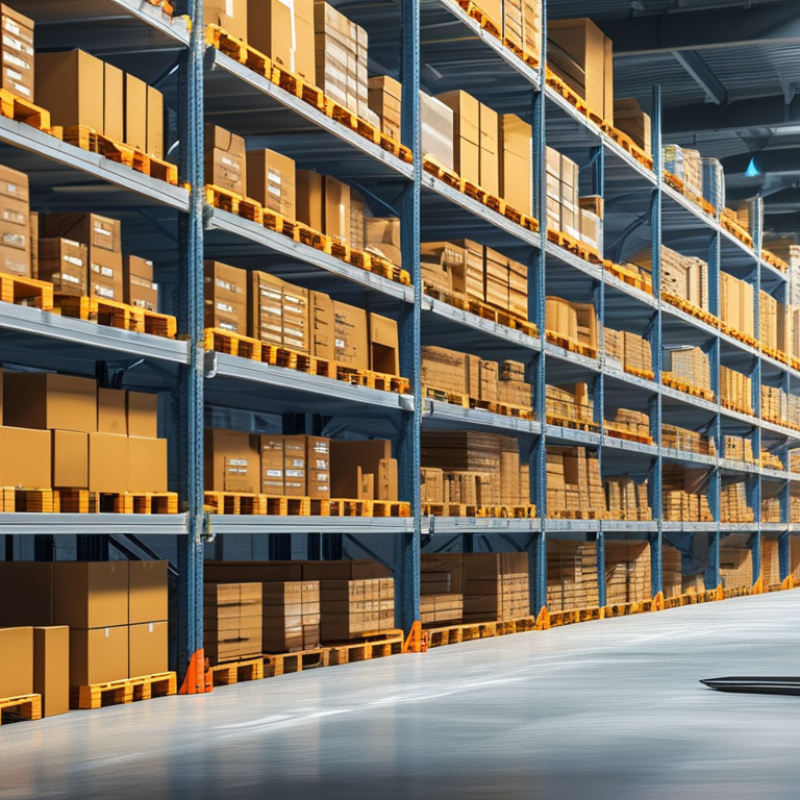
Boost Material Flow Efficiency with Racking Integration How?

Understanding Material Flow Efficiency in Warehouse Management

Material flow efficiency is crucial in warehouse management. It determines how effectively materials move through various processes. Enhancing this efficiency can lead to cost savings and improved customer satisfaction. Understanding the components of material flow can guide better decision-making in warehouse operations.

One effective strategy is integrating racking systems. Proper racking solutions streamline storage and improve accessibility. This integration allows for maximizing vertical space and reducing the time spent retrieving items. It’s essential to consider layout and design carefully. Unoptimized configurations can lead to congestion and delays.

Tips for improving your material flow efficiency include:

  • Evaluate your current layout. Identify bottlenecks that slow down operations.
  • Invest in training staff on best practices. Knowledgeable workers contribute to smoother processes.
  • Regularly review your racking systems. Adapt to changes in inventory and workflow requirements.

Reflecting on these strategies is critical. What might work today could need adjustments tomorrow. Staying flexible in your approach can yield better outcomes. Engaging in continuous improvement is key to maintaining efficiency in the long run.

The Role of Racking Systems in Enhancing Material Flow

Racking systems play a crucial role in enhancing material flow within warehouses. They optimize space usage and streamline storage processes. By utilizing vertical space, racking systems increase storage capacity significantly. This not only boosts efficiency but also reduces costs associated with excess floor space.

The design of racking systems can directly influence how materials are accessed. For instance, selective racks allow quick retrieval of items. However, these systems may also cause congestion if not managed properly. It’s essential for warehouse managers to assess their layout regularly to avoid bottlenecks. Flexibility in racking design allows for adjustments to meet changing inventory levels and flow requirements.

Integrating racking with automated systems can further improve material flow. Conveyors and pallet shuttles can move goods swiftly through the warehouse. However, such integration requires careful planning. It’s vital to ensure that technology complements human operations, rather than complicating them. Balancing automation and manual processes is a continual challenge that needs ongoing evaluation.

Key Factors for Integrating Racking with Material Flow Processes

Integrating racking systems into material flow processes can significantly enhance operational efficiency. A well-designed racking system optimizes space use, reducing wasted areas. Proper layout planning can lead to smoother material handling. Workers benefit from easier access to items. This minimizes time spent searching for products.

Designing a racking system requires analysis of workflow patterns. Observing how materials move can reveal inefficiencies. For instance, narrow aisles may slow movement. Inadequate storage can result in bottlenecks. Regular audits can identify these issues. Improving layout can facilitate faster retrieval and stocking of items.

Training staff on the new systems is crucial. They must understand the layout and storage methods. Inconsistent use can undermine the racking system's effectiveness. Regular feedback sessions can highlight areas for improvement. While the goal is efficiency, adaptability is key. Adjustments might be needed as workflows change over time. This process is ongoing; embracing refinement is essential for lasting success.

Boost Material Flow Efficiency with Racking Integration

Key Factor Description Impact on Efficiency Measurement
Racking System Design Optimizing the layout for product accessibility and storage density. Improved picking times and reduced travel distance. Average picking time per order
Integration with WMS Seamless connection between racking systems and warehouse management software. Enhanced inventory accuracy and faster order processing. Inventory accuracy percentage
Automated Material Handling Use of conveyor systems and robotics for material transport. Increased throughput and reduction in manual handling errors. Throughput rate (units/hour)
Real-Time Tracking Implementation of RFID or barcode systems to monitor inventory. Greater visibility into stock levels leading to better decision-making. Stock out incidents per week
Training and Labor Management Proper training of staff on new systems and processes. Reduction in errors and improved staff productivity. Error rates (errors/order)

Best Practices for Implementing Racking Solutions in Warehousing

Racking solutions play a crucial role in optimizing material flow efficiency in warehouses. Data from the Warehouse Efficiency Report indicates that properly integrated racking systems can increase storage capacity by up to 40%. This is essential as facilities face rising demands for faster order fulfillment and inventory management.

Implementing best practices in racking solutions is vital. Allocate sufficient space for each racking unit. Ensure that aisles are wide enough for equipment movement. This can reduce congestion and streamline operations. Poorly designed layouts can stifle efficiency, leading to frustrations during peak periods.

Tips: Assess your current racking system regularly. Identify bottlenecks and adjust accordingly. Consider investing in technology to track inventory flow. Keeping an eye on analysis helps prevent stagnation.

Racking selection should also reflect the type of goods stored. Choosing adjustable racks can drastically improve versatility. However, avoid common pitfalls such as overcrowding racking systems. This often results in damage or inefficient picking processes. Knowing when to expand or downsize racking can significantly impact overall efficiency.

Measuring the Impact of Racking Integration on Material Flow Efficiency

In the quest for improved material flow efficiency, racking integration plays a crucial role. According to industry reports, companies that implement integrated racking solutions experience a 25% reduction in space usage. This efficiency not only reduces costs but also optimizes operations. Multi-tier racking systems allow for better vertical space utilization, leading to quicker access and diminished retrieval times. Reports indicate that material flow errors can decline by up to 20% with a streamlined racking system.

Tips: Consider using adjustable racking systems. They provide flexibility for changing inventory needs. Regularly review your layout to ensure optimal flow and access.

However, racking integration is not without its challenges. Poorly designed systems can lead to bottlenecks and accessibility issues. A survey showed that 30% of companies face obstacles in maximizing their storage potential due to outdated racking solutions. A reevaluation of racking options may be necessary for those experiencing these issues. Investing in training for staff can also enhance the benefits of a new system.

Tips: Regular staff training sessions can improve user experience. Encourage feedback from those who interact with the racking daily.

FAQS

: What is the main purpose of racking systems in a warehouse?

: Racking systems enhance material flow by optimizing space usage and streamlining storage processes.

How do racking systems affect storage capacity?

By utilizing vertical space, racking systems significantly increase storage capacity, improving efficiency and reducing costs.

What type of racking design allows for quick retrieval of items?

Selective racks allow quick access but can cause congestion if not managed properly.

Why is regular assessment of warehouse layout important?

Regular assessments help avoid bottlenecks and ensure smooth material flow in the warehouse.

How can technology improve material flow?

Integrating racking with conveyors or shuttles can enhance speed but requires careful planning to avoid complications.

What is a benefit of using adjustable racking systems?

Adjustable racking systems provide flexibility to accommodate changing inventory levels and flow requirements.

What challenges might arise with racking integration?

Poorly designed systems can lead to bottlenecks and affect accessibility, hampering storage potential.

How does regular staff training impact racking systems?

Regular training can improve user experience and ensure the effective use of racking systems.

Why might some companies struggle with their racking solutions?

Many face obstacles due to outdated systems, leading to inefficiencies and storage limitations.

What should companies do if they experience material flow issues?

A reevaluation of racking options and investment in staff training can help enhance material flow efficiency.

Conclusion

In today’s warehouse management landscape, improving material flow efficiency is crucial for operational success. The article “Boost Material Flow Efficiency with Racking Integration How?” delves into the significance of material flow efficiency and how racking systems play a vital role in this process. By integrating racking solutions with material flow processes, warehouses can optimize storage space, reduce handling times, and enhance overall productivity.

Key factors for successful racking integration include evaluating warehouse layout, considering the types of materials handled, and streamlining picking processes. Implementing best practices such as regular assessments and employee training can significantly improve material flow efficiency using racking integration. Additionally, measuring the impact of these strategies allows organizations to fine-tune their operations continually, ensuring sustained improvements in productivity and efficiency.

Charlotte

Charlotte

Charlotte is a seasoned marketing professional with a deep understanding of the company's portfolio and a passion for elevating its presence in the market. With a keen eye for detail and a commitment to excellence, she ensures that our professional blog is regularly updated with insightful articles......