In today's fast-paced logistics environment, businesses are under pressure to maximize efficiency. A recent report from the Warehousing Education and Research Council (WERC) revealed that efficient warehouse layout and racking systems can enhance productivity by up to 30%. This highlights the necessity of practices that can truly "Boost Warehouse Productivity with Efficient Racking Practices."
Many warehouses still operate with outdated systems. This can lead to bottlenecks and increased operational costs. An average warehouse loses 25% of its effectiveness due to poor space utilization. Investing in modern racking solutions could mitigate this waste significantly. For instance, high-density storage options can increase throughput and better utilize vertical space.
However, companies often overlook the importance of training personnel in these new systems. Challenges arise when teams resist change or lack proper skills. It's essential for businesses to not only implement new racking practices but also to continually assess and refine these processes. This reflection can guide future strategies, ensuring that productivity gains are sustainable.
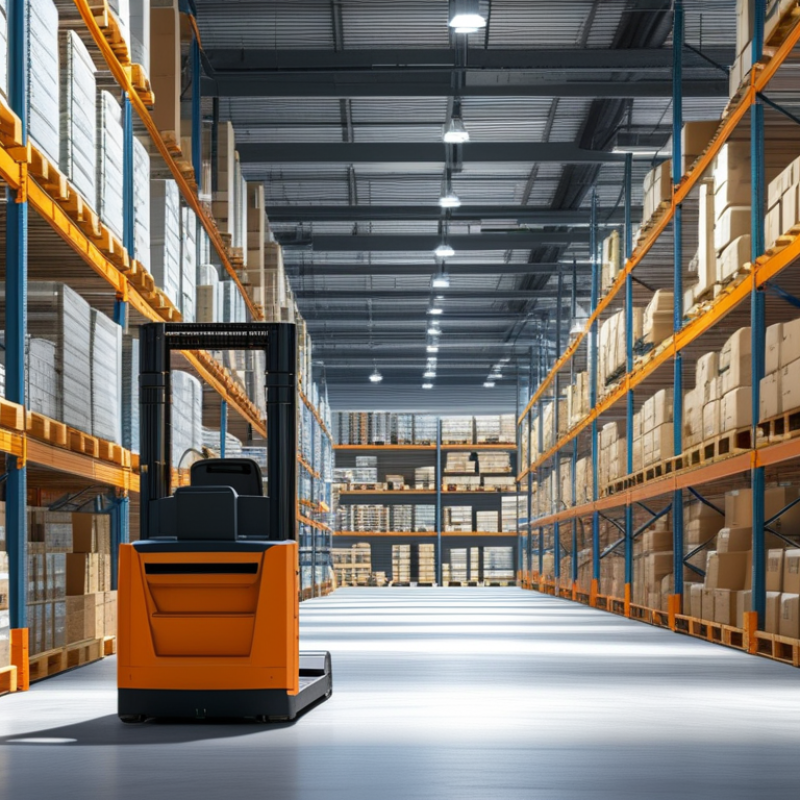
Warehouse productivity is a critical factor for operational success. Efficient racking solutions play a vital role in maximizing storage space and improving workflow. According to a report by ModusLink, warehouses can enhance productivity by 30% or more through optimized layouts and racking. The right system minimizes movement and reduces pick times, which directly impacts overall efficiency.
Challenges exist in this space. Many warehouses still rely on outdated systems that cannot adapt to changing inventory needs. A survey by the Warehousing Education and Research Council (WERC) found that 45% of warehouses face space constraints. This can lead to increased operational costs and reduced employee satisfaction. Proper racking solutions can alleviate these issues by providing better space utilization, but only if they are tailored to the specific warehouse environment.
Employee training is just as crucial. An efficient racking system must be paired with effective training. Employees need to understand how to leverage the system fully. Otherwise, inefficiencies will persist. According to the American Productivity & Quality Center (APQC), companies that invest in ongoing employee training can see a productivity increase of up to 23%. Balancing the right tools and training is essential for creating a truly productive warehouse environment.
Efficient racking solutions are key to enhancing warehouse productivity. Various options are available in the market today. Selective pallet racking, for instance, offers easy access and high storage density. According to the Material Handling Industry of America, warehouses using selective racking can improve space utilization by up to 35%. However, this system may lead to slow picking times, especially in larger facilities.
Drive-in racking systems provide deeper storage. They can increase storage density by 75% compared to selective racking. Despite their efficiency, these systems require careful inventory management. Mismanagement can lead to accessibility issues and wasted space. It is vital to balance storage needs with accessibility.
**Tip:** Regularly assess your racking system's performance. Consider factors like inventory turnover and accessibility.
Another solution worth considering is push-back racking. This system allows for first-in, last-out inventory management. Though it maximizes space, pushing pallets back can create challenges. A single pallet stuck can disrupt the entire system, resulting in delays.
**Tip:** Train staff on racking operations to minimize errors. Proper training can reduce product damage and improve order accuracy.
In conclusion, evaluating the right racking solution for your warehouse can dramatically impact your efficiency. Leverage available data and continuously improve your systems.
When designing a warehouse, space optimization is critical. Effective racking solutions can significantly enhance productivity and efficiency. According to a report by the Warehousing Education and Research Council, up to 30% of warehouse space may be wasted due to improper racking design. Assessing the available space thoroughly can prevent this loss.
Without proper analysis, organizations can miss vital indicators for optimal racking systems. A study indicates that efficient rack design can boost order-picking speeds by up to 25%. Evaluating factors like ceiling height, aisle width, and product types can lead to tailored solutions. For instance, maximizing vertical space by using taller racks can increase storage density, but it requires careful planning to ensure accessibility.
On the flip side, overloading racking systems can lead to safety hazards and structural failures. Balancing the need for space and safety is crucial. Identifying the right racking style, such as selective, drive-in, or push-back, depends on specific storage needs. Challenges often arise when trying to adapt existing space or when expansion happens too quickly. A balanced approach is necessary for a successful inventory management strategy.
Implementing efficient racking systems can significantly enhance warehouse productivity. A well-designed racking solution optimizes space, making room for more inventory without increasing physical footprint. It allows for better organization, ensuring that items are easily accessible. This helps reduce time spent searching for products, driving efficiency.
Proper racking systems come in various styles, such as pallet racking or shelving. Each system has its strengths and limitations. For example, while pallet racking maximizes vertical space, it may not suit smaller items. Regular reviews of the current setup can reveal inefficiencies. Are there areas where adjustments could improve workflow?
Investing in racking solutions also necessitates training personnel. Workers must understand how to utilize the systems effectively. Misplacement of stock can lead to chaos, undermining efficiency. Communication among teams is essential. Regularly reassessing inventory levels and storage methods fosters a culture of continuous improvement. Without this, even the best racking systems can fail to deliver their full potential.
| Racking Type | Storage Capacity (pallets) | Area Utilization (%) | Picking Efficiency (lines/hour) | Installation Time (days) |
|---|---|---|---|---|
| Selective Racking | 1200 | 70 | 25 | 3 |
| Drive-In Racking | 2000 | 85 | 20 | 4 |
| Push Back Racking | 1500 | 75 | 22 | 5 |
| Cantilever Racking | 800 | 60 | 15 | 3 |
| Mobile Racking | 1000 | 78 | 30 | 6 |
Monitoring and maintaining racking solutions is crucial for long-term efficiency in warehouses. Regular checks help identify wear and tear. This reduces the risk of accidents and product damage. Employees should be trained to spot issues early. Visual inspections should be part of the daily routine.
Effective management involves tracking usage trends. If a racking system frequently experiences strain, it may need an upgrade. Over time, certain types may become less effective. Understanding the specific load limits enhances safety. Implementing a maintenance schedule ensures timely evaluations.
Racking solutions should be flexible to adapt to evolving needs. Firms that don’t revisit their setups may face inefficiencies. It’s critical to gather feedback from staff. Addressing real-world experiences can lead to valuable insights. An effective racking solution requires ongoing effort to stay efficient.
: Selective pallet racking offers easy access to stored items and improves space utilization by up to 35%.
It may slow picking times, especially in larger facilities, which can affect overall productivity.
Drive-in racking increases storage density by 75% compared to selective racking, allowing for deeper storage solutions.
Mismanagement can create accessibility issues, leading to wasted space and inefficiencies in inventory retrieval.
Proper training helps reduce errors and product damage, ensuring that staff can operate the systems effectively.
Push-back racking allows for first-in, last-out management but can face disruptions if a pallet becomes stuck.
A well-designed racking system optimizes space and organization, reducing time spent searching for products.
Regular reviews of the system can reveal inefficiencies and areas for improvement in workflow and organization.
Misplacement of stock could lead to chaos, undermining the efficiency of even the best racking systems.
Fostering continuous improvement can help maximize the potential of racking systems and enhance overall productivity.
Boosting warehouse productivity is essential in maintaining a competitive edge in today's market. The article explores the importance of understanding warehouse productivity and how efficient racking solutions can significantly enhance it. By providing an overview of various racking systems available, the piece emphasizes the need to assess warehouse space properly to design optimal racking layouts that maximize storage capacity.
Implementing efficient racking practices is crucial for achieving measurable improvements in workflow and organization. Furthermore, the article highlights the significance of monitoring and maintaining these racking solutions to ensure their long-term efficiency. By focusing on these strategies, businesses can effectively boost warehouse productivity with efficient racking practices, resulting in streamlined operations and increased profitability.
Asia Racking