Building a storage mezzanine can transform your warehouse space. As industry expert John Smith notes, "A well-planned mezzanine can double your storage capacity." This statement highlights the potential of storage mezzanines in optimizing storage solutions.
Designing a storage mezzanine is a blend of creativity and practicality. It requires careful measurement and planning. Each warehouse is different, and not all designs will fit. Consider ceiling height, available space, and load capacity. These factors are critical to success.
It's also important to involve a knowledgeable team. Collaborating with experts often leads to better outcomes. A storage mezzanine can provide immense benefits, but poor planning can result in wasted resources. Reflecting on these elements can guide you toward an effective design. Understanding your specific needs ensures that your storage mezzanine delivers value.
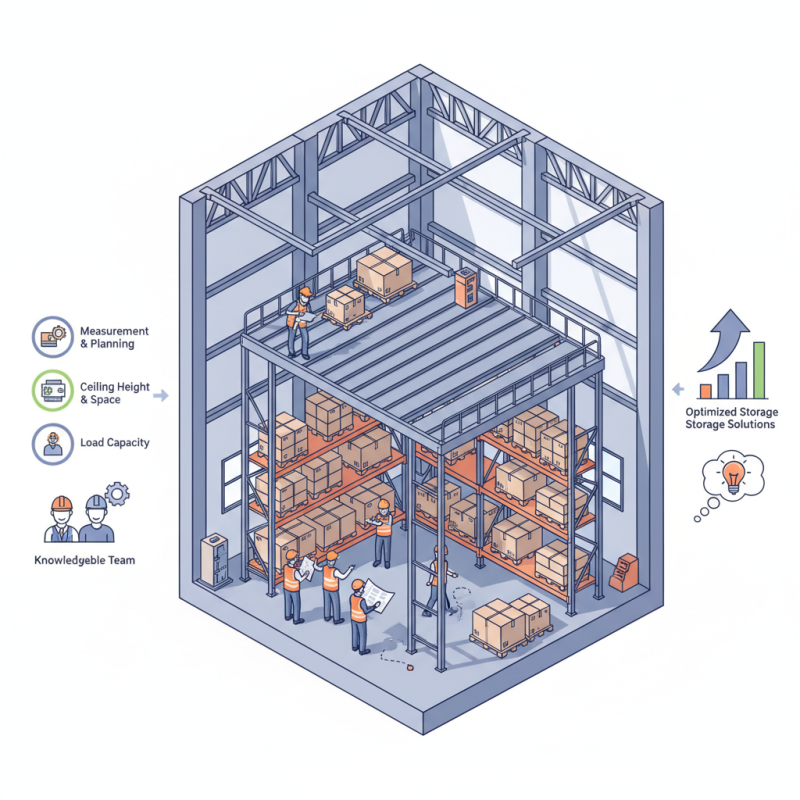
Storage mezzanines are a practical solution for warehouses needing extra space. They provide additional levels for storage without the need for costly expansion. According to a report by the Warehousing Education and Research Council, adding a mezzanine can increase a warehouse's storage capacity by up to 50%. This makes a significant difference for businesses aiming to optimize their space efficiency.
Understanding the basics of mezzanines is crucial. They can be designed as a freestanding structure or attached to existing buildings, offering flexibility. Typically constructed from steel, they can accommodate different loads. The National Association of Wholesaler-Distributors indicates that effective use of vertical space can minimize operational costs. This reflects a common trend where companies prefer cost-effective storage solutions.
However, there are challenges in implementing a mezzanine system. Proper planning is essential to ensure safety and compliance with building codes. Overloading may lead to structural issues. Businesses must consider the accessibility of their mezzanine, ensuring ease of use for staff and equipment. A poorly designed mezzanine can cause inefficiencies and safety risks, prompting a need for careful reflection on design choices.
| Aspect | Details |
|---|---|
| Material Options | Steel, Aluminum, Wood |
| Typical Height | 8 to 12 feet |
| Load Capacity | 1000 to 2000 lbs per square foot |
| Installation Time | 1 to 3 days |
| Benefits | Increased storage space, Improved organization, Cost-effective |
| Safety Standards | OSHA Compliance, Load testing |
| Design Considerations | Space layout, Accessibility, Fire safety |
: A mezzanine is an intermediate floor that increases storage space. It can boost capacity by 20-30%.
A minimum clearance of 12 feet is recommended for safety and functionality.
Evaluate weight limits, as heavy items can quickly exceed capacity and cause structural issues.
Clear pathways for equipment are vital. Poor layout can reduce productivity by up to 15%.
Steel offers strength, while wood provides aesthetics. Each material has unique pros and cons.
Choose durable flooring like concrete for heavy use, while plywood may wear down quickly.
Guardrails are essential for upper levels. Compliance with local regulations is also a must.
Heavy-duty shelving must match chosen materials to ensure functionality and safety.
Overestimating space can lead to design flaws. Reflection on design choices is crucial.
Regular checks are needed for wood materials, as they can degrade over time.
Building a storage mezzanine can significantly enhance your warehouse's efficiency by providing additional space for inventory without the need for extensive renovations. The process begins with understanding the basics of storage mezzanines, including their benefits such as maximizing vertical space and improving organization. Assessing your warehouse layout is crucial, as it determines the feasibility of adding a mezzanine and helps in strategizing its design.
When designing the mezzanine structure, careful consideration of its layout is essential to accommodate workflows and accessibility. Selecting the right materials and equipment is vital for durability and safety. Finally, ensuring compliance with local regulations and safety standards is critical to prevent legal issues and ensure the safety of warehouse operations. By following these key steps, you can successfully implement a storage mezzanine that meets your operational needs.

 Asia Racking