Enhancing lean logistics is crucial for improving efficiency and reducing waste. One effective way to achieve this is through the implementation of efficient racking solutions. As industry expert John Smith, noted for his extensive research in logistics optimization, states, “Support Lean Logistics with Efficient Racking Applications is key to maximizing space and minimizing costs.”
Racking systems can transform warehouse operations. They facilitate easier access to products and streamline the picking process. For instance, using adjustable shelving can accommodate various product sizes, leading to better space utilization. Additionally, the right racking solution can enhance workflow and improve employee productivity. However, companies often overlook the importance of selecting the appropriate racking system tailored to their specific needs.
Yet, it is important to reflect on the challenges that may arise. Combining lean logistics with racking systems isn’t always straightforward. Sometimes, companies invest in racking solutions without fully understanding their operational requirements. This can lead to inefficient setups and increased downtime. A deep dive into both logistics and racking application is essential for truly reaping the benefits of lean practices.
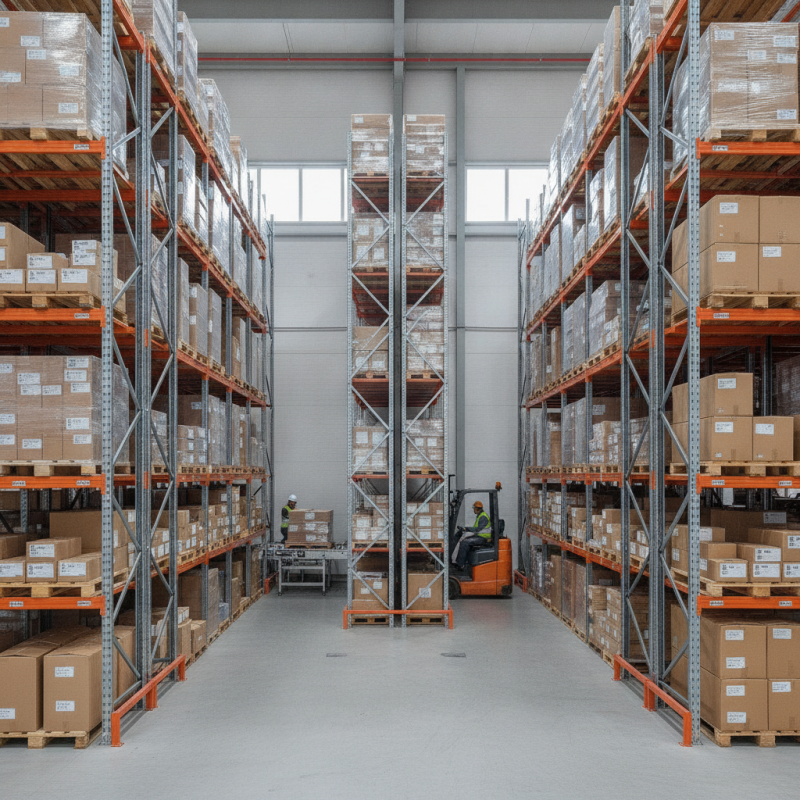
Lean logistics focuses on maximizing efficiency while minimizing waste. This methodology is crucial in today’s fast-paced supply chain environment. Companies adopting lean principles streamline their operations, which leads to reduced costs and faster delivery times. However, implementing lean logistics effectively can be challenging. Many organizations struggle with the proper integration of processes, people, and technology.
Efficient racking solutions play a vital role in this enhancement. They not only organize space but also optimize the flow of goods. Different racking systems, such as pallet racks or flow racks, can reduce handling time and improve inventory accuracy. However, choosing the right racking system requires careful assessment of warehouse layout and product types. This custom approach helps companies avoid common pitfalls, like overcrowded aisles or improper stock rotation.
Adopting lean logistics demands ongoing reflection. Regularly evaluating the effectiveness of racking systems is essential. Misalignment can lead to increased handling costs and wasted time. Identifying these shortcomings allows for continuous improvement. Rethinking space utilization and product placement can significantly boost productivity and enhance overall supply chain efficiency.
: Efficient racking solutions are flexible, durable, and accessible. They optimize space and streamline workflows in warehouses.
Flexibility allows quick adaptation to changing market demands. This helps businesses respond efficiently to new challenges.
Durable materials support heavy loads and frequent use. They also lower maintenance costs and extend system lifespan.
Easy access to stored items reduces search time. This enhances picking efficiency and speeds up fulfillment processes.
Assess space requirements and load types. Evaluate workflow patterns to design effective racking layouts tailored to needs.
Engaging teams helps customize racking solutions. Their feedback ensures options align with operational requirements and safety needs.
Challenges include balancing safety and maximizing space. These issues should be addressed during the design phase of racking.
Color-coded labels and clear signage help locate products quickly. This reduces errors and promotes a better-organized system.
Regular reviews help identify areas needing improvement. They ensure that racking systems remain effective and adapt to inventory changes.
Poor racking can create bottlenecks and safety risks. It may waste time and resources if not regularly audited for efficiency.
The article "How to Enhance Lean Logistics with Efficient Racking Solutions?" highlights the essential role of efficient racking systems in optimizing supply chain processes. Understanding lean logistics allows businesses to streamline operations, reduce waste, and enhance overall efficiency. Key characteristics of effective racking solutions include adaptability, accessibility, and space optimization—all of which are crucial for supporting lean logistics.
Different types of racking systems, such as selective, drive-in, and pallet flow racks, can significantly improve storage efficiency and material handling. Implementing these racking solutions involves strategic planning and a thorough understanding of operational needs. Lastly, measuring the impact of these racking systems on lean logistics efficiency helps organizations identify areas for continuous improvement. Ultimately, the integration of efficient racking applications is fundamental to support lean logistics and drive supply chain success.

 Asia Racking