10 Essential Tips to Improve Safety Standards in Warehousing

Time:2026-03-02 Author:Madeline
0%

In today's warehousing industry, safety standards are more critical than ever. According to the National Safety Council, workplace injuries can cost businesses over $170 billion annually. A significant contributor to these accidents is poor racking compliance. Companies must focus on how to improve safety standards in warehousing via racking compliance.

John Smith, a leading expert on warehouse safety, emphasizes this point: "Ensuring that racking systems comply with safety regulations can dramatically reduce the risk of accidents." His insights highlight the importance of adhering to industry standards. Many companies still overlook this aspect, leading to preventable incidents.

Attention to detail in racking compliance is essential. Simple miscalculations can result in costly accidents and injuries. Regular inspections and employee training can make a difference. There’s room for improvement in nearly every warehouse. Leaders should reflect on their current practices and take action. All efforts toward enhanced safety can lead to a more secure working environment.
10 Essential Tips to Improve Safety Standards in Warehousing

Understanding the Importance of Safety Standards in Warehousing

Safety standards in warehousing are crucial for protecting workers and maintaining operational efficiency. According to the Occupational Safety and Health Administration, warehouses account for about 20% of all workplace injuries in the United States. This statistic is alarming and highlights the need for rigorous safety measures. Failing to address safety can result in accidents that affect both employees and the bottom line.

Training is a fundamental aspect of safety. Many warehouses overlook this critical component. Surveys show that up to 40% of warehouses do not provide adequate safety training. This lack of preparation can lead to serious incidents. For instance, improperly lifting heavy items can lead to back injuries. Simple practices, like using forklifts and proper lifting techniques, can prevent many injuries.

Another key point is regular inspections. Many facilities conduct inspections sporadically, leading to overlooked hazards. A study showed that consistent warehouse assessments can reduce accidents by 30%. These inspections can identify risks before they lead to injury, creating a safer work environment. However, doing them only once a year is not enough. Regular evaluations and a culture of safety can ultimately save lives and resources.

Identifying Common Safety Hazards in Warehouse Environments

Warehouses can be bustling spaces filled with activity, but they also pose significant safety hazards. Poor lighting is a common issue. Inadequate illumination can lead to accidents. Workers may trip over obstacles or miss important signage. Ensuring proper lighting not only enhances visibility but also creates a more secure environment.

Another hazard is improper stacking and storage. Items stacked haphazardly can fall and cause injury. Relying solely on intuition without a systematic approach is risky. Staff training on proper stacking techniques is vital. Equipment malfunctions also play a role in safety concerns. Regular maintenance checks can prevent dangerous breakdowns, but they are often overlooked.

Forklifts are another area for caution. Operators need specific training. Lack of training can result in serious accidents. Identifying these issues is just the first step. It's crucial to engage employees in safety discussions. Creating an open dialogue fosters awareness and accountability. When everyone shares concerns, the warehouse becomes a safer place.

10 Essential Tips to Improve Safety Standards in Warehousing

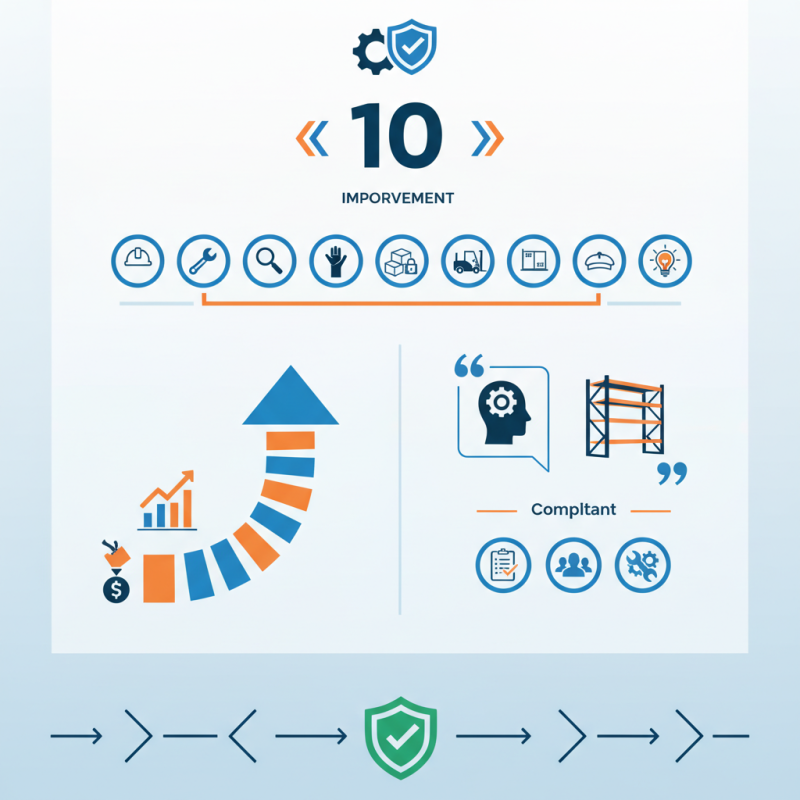
Tip Number Safety Tip Common Hazards Addressed Implementation Method
1 Regular Safety Training Injury from improper handling Monthly workshops
2 Proper Signage Slip and trip hazards Install clear signs
3 Use of Personal Protective Equipment (PPE) Chemical exposure Provide and enforce PPE usage
4 Regular Equipment Maintenance Equipment failure Schedule routine checks
5 Ergonomic Workstations Repetitive strain injuries Adjust workstation heights
6 Forklift Training Collisions Certified training sessions
7 Emergency Preparedness Fire hazards Conduct regular drills
8 Clear Aisles and Exits Obstructions Regular checks
9 Hazard Communication Chemical exposure Labeling and training
10 Incentivize Safety Negligence Implement reward programs

Implementing Effective Training Programs for Warehouse Staff

Training programs for warehouse staff are vital. They not only enhance safety but also improve overall efficiency. Warehouse environments can be chaotic. Staff often juggle many tasks, leading to oversights. A well-structured training program can address these issues and reduce accidents.

Start with orientation sessions. New employees must understand safety protocols from day one. Knowledge of emergency procedures is crucial. Implement regular drills to keep this knowledge fresh. Short workshops can target specific safety concerns, like proper lifting techniques or using machinery safely. Encourage staff to share experiences and learn from each other.

Consider mentorship as part of training. Pairing newer employees with seasoned staff can foster a culture of safety and awareness. This approach can reveal hidden hazards and encourage open discussions. Regularly updating training content is necessary, too. What worked a year ago might not apply now. Stay flexible and open to improvements.

Adopting Advanced Safety Equipment and Technology

Warehouse safety often hinges on the adoption of advanced safety equipment and technology. For instance, a recent study reveals that over 80% of workplace injuries could be prevented with proper safety gear. This includes high-visibility vests, safety goggles, and reinforced footwear. Yet, many warehouses still overlook basic equipment needs. Investing in quality materials can drastically reduce accidents.

Cutting-edge technologies, like automated guided vehicles (AGVs), are becoming more common. They help in transporting goods with minimal human intervention. This reduces the risk of collisions and injuries. However, many warehouses lag in implementing such systems. According to reports, integrating these technologies can lower operational hazards by up to 30%. Still, resistance to change is a challenge. Staff training is often inadequate when new technologies are introduced.

Moreover, monitoring systems using smart sensors can enhance safety standards. These systems can detect unsafe conditions in real time. Yet, the adoption rate remains painfully low. About 45% of warehouses still rely on outdated methods. This can lead to tragic consequences and reflects a need for a change in safety culture. Investing in innovative safety solutions should not just be a trend but a necessity.

Regular Safety Audits and Continuous Improvement Practices

Regular safety audits are crucial for any warehousing operation. They help identify potential hazards before they turn into serious issues. Conducting audits should not be a one-time task. Schedule them regularly to ensure ongoing compliance with safety standards.

Continuous improvement practices are equally important. They involve evaluating current safety measures and making necessary adjustments. This process can include employee training sessions and safety drills. Workers should feel empowered to voice concerns about unsafe conditions. This feedback loop encourages a culture of safety.

Incorporating safety signage throughout the warehouse can enhance awareness. Clear labels and warnings help guide behavior. Consider investing in better lighting and ergonomically designed tools. These small changes can lead to fewer accidents. Reflect on past incidents to improve future practices. Safety is an ongoing effort, not a destination.

FAQS

: What types of experiences can I expect?

: You can enjoy outdoor activities, cultural events, and local cuisine experiences. Each offers a unique perspective.

Are there any age restrictions for activities?

Some activities may have age limits. Always check beforehand to ensure suitability.

How can I make a reservation?

Reservations can usually be made online or by phone. It's wise to book early to secure your spot.

What should I bring for my trip?

Essentials include comfortable clothing, personal items, and any necessary gear. Don't forget a camera for memories.

Is transportation provided during the experience?

Some experiences offer transportation. Others may require you to arrange your own. Confirm before your trip.

Can I join solo or do I need a group?

Many experiences welcome solo participants. However, some are best enjoyed with a group for social interaction.

What happens if I need to cancel?

Cancellation policies vary. It's important to read them carefully. Consider reviewing options for rescheduling instead.

Are meals included in the itinerary?

Some experiences include meals, while others do not. Confirm what's provided to plan accordingly.

Will there be opportunities to interact with locals?

Yes, many experiences focus on local engagement. This adds depth to your understanding of the culture.

How should I dress for various activities?

Dress appropriately for each activity. Comfort is key, but consider the activity's nature and weather conditions.

Conclusion

Improving safety standards in warehousing is crucial for protecting staff and ensuring efficient operations. A key step in this endeavor is to understand the importance of established safety standards which help in identifying common safety hazards such as equipment failures and inadequate training. Effective training programs should be implemented for warehouse staff, focusing on safety protocols and hazard awareness, thereby fostering a culture of safety throughout the organization.

Adopting advanced safety equipment and technology can significantly enhance safety measures, while regular safety audits and continuous improvement practices allow warehouses to adapt and refine their safety strategies. One effective way to improve safety standards in warehousing is to ensure compliance with racking systems, as improper racking can lead to serious accidents. By emphasizing racking compliance and implementing these essential safety measures, warehouses can create safer working environments for all employees.

Madeline

Madeline

Madeline is a dedicated marketing professional with a wealth of expertise in our company's core offerings. With a keen understanding of the industry, she brings a unique perspective to her role, consistently delivering high-quality content that highlights the superior aspects of our products. As......