In today's fast-paced logistics environment, optimizing space is paramount. "To improve warehouse space utilization with racking systems, one must adopt a strategic approach," says industry expert Tom Johnson, who has over 20 years of experience in warehouse management. His insights reflect the pressing need for innovation in storage solutions.
Maximizing warehouse efficiency is not merely about filling every inch with inventory. It involves understanding how to utilize the available vertical space and organizing products for easy access. Many warehouses miss opportunities by overlooking the potential of racking systems. Poor organization leads to wasted space and time.
The challenge lies in choosing the right racking system to meet specific needs. A one-size-fits-all approach may fail. Each warehouse has unique dimensions and inventory types. Thus, a tailored solution is essential. Only through thoughtful planning can companies truly improve warehouse space utilization with racking systems and achieve their operational goals.
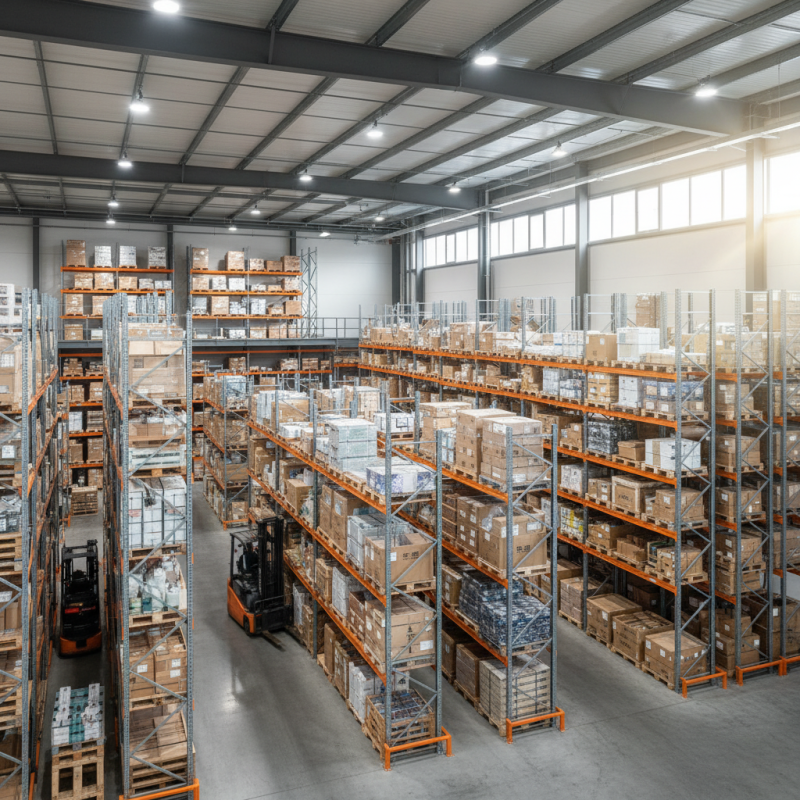
Warehouse space can be a puzzle. Using racking systems effectively can significantly boost utilization. One common method is vertical storage. By maximizing height, you free up floor space. Select adjustable shelves to cater to various items. This ensures flexibility and efficiency.
Another approach is employing narrow aisle racking. This design allows for more racks in a limited area. However, it requires the right equipment for accessing products. This can be a challenge for some operations. Regularly analyze product turnover rates. High turnover items should be easily reachable, while slow movers can be stored higher up.
Consider adopting mobile racking systems. They reduce the need for wide aisles. Yet, they can complicate inventory management. Balancing efficiency with accessibility can be tough. It's crucial to reassess your layout periodically. Reflecting on how space is used can uncover potential improvements. Understanding these dynamics drives better decisions in your warehousing strategy.
In warehouse operations, analyzing space utilization is crucial. Recent studies show that many warehouses operate at only 50-60% capacity. This inefficiency leads to wasted resources and increased operational costs. Understanding current space utilization metrics helps identify areas for improvement.
For instance, an effective racking system can significantly enhance storage capabilities. High-density storage solutions, like vertical racking, can increase space utilization by up to 80%. However, poorly designed systems can create congestion and complicate inventory management. Many warehouses still rely on traditional racking, resulting in lost opportunities to maximize vertical space.
Additionally, keeping track of turnover rates is essential. An inventory turnover ratio below 5 indicates that stock is not moving efficiently. This can burden storage space and affect overall productivity. Analyzing these metrics enables managers to reflect on their strategies, whether adjusting racking designs or optimizing inventory flow. Understanding these inefficiencies is the first step toward improvement.
| Method | Space Utilization Improvement (%) | Estimated Cost ($) | Implementation Time (weeks) |
|---|---|---|---|
| Adjust Rack Heights | 15 | 500 | 2 |
| Implement Vertical Racking | 20 | 2000 | 4 |
| Use Mobile Racking Systems | 25 | 15000 | 8 |
| Optimize Space with FIFO Systems | 10 | 1000 | 3 |
| Introduce Overhead Racks | 18 | 3000 | 5 |
| Utilize Pallet Flow Racks | 22 | 12000 | 6 |
| Incorporate Adjustability | 14 | 800 | 3 |
| Minimize Aisle Width | 30 | 2000 | 4 |
| Regular Inventory Audits | 12 | 600 | 1 |
| Implement Cross-Docking | 28 | 8500 | 7 |
Selecting the right racking system is crucial for maximizing warehouse space efficiency. According to industry reports, effective racking can increase storage capacity by up to 30%. Understanding your specific needs can guide this selection process.
Analyzing your inventory's size and weight helps. For lightweight items, consider using pallet racks or shelving systems. These options provide better accessibility. Heavy items may require heavy-duty racking systems designed to withstand greater loads. The right choice can prevent injuries and damages.
Tip: Regularly evaluate your inventory turnover rates. If certain items remain dormant, consider reallocating that space. This can improve overall functionality.
Another consideration is aisle width. Narrow aisles can help save space, but they require specialized equipment. Reports show that proper aisle management can improve picking efficiency by 15%. Always balance access and storage density for optimal results.
Tip: Implement a regular review of your racking layout. Changes in your inventory may require different configurations. Periodic adjustments can lead to significant space recovery.
Maximizing height utilization in warehouses can dramatically improve space efficiency. According to a report by Peerless Research Group, up to 30% of warehouse space can go unused due to lack of vertical storage solutions. Implementing racking systems allows facilities to reach new heights—literally. High-rise shelving can leverage vertical space, providing significant increases in storage densities.
However, not all racking systems may fit every operation. Reflecting on current practices is necessary. For instance, using very high racks may slow down picking operations if not managed properly. Studies show that average picking rates drop by 20% in poorly designed vertical setups. Balancing accessibility and storage height becomes essential. Consideration of worker safety is crucial; racking systems should not compromise ease of access.
Integrating automated storage and retrieval systems can further enhance vertical efficiency. The Warehouse Education and Research Council suggests that automation can increase storage capacity by an additional 50%. While the shift to vertical can be transformative, it's critical to ensure alignment with operational needs. Space may look efficient on paper, but real-world execution will determine the success of any vertical storage solution.
Conducting regular inventory audits is crucial for optimizing warehouse space. These audits allow management to assess current stock levels. With accurate data, adjustments can be made to racking configurations. This ensures that the most frequently accessed items are easily reachable. Periodic reviews help identify slow-moving stock, leading to reallocation or removal from prime locations.
In practice, audits should be scheduled consistently. Monthly checks might be too frequent for smaller operations. Bi-monthly or quarterly might work better. However, neglecting this task can lead to clutter and inefficiency. Empty spaces on racking systems might indicate overstocking or misplaced items. A proactive approach can prevent potential losses.
Visual aids can enhance the auditing process. Employing color-coded labels for various inventory types helps quickly assess needs. Additionally, considering seasonal variations in product demand can influence racking decisions. Sometimes, after an audit, one might find that changing the layout could significantly boost space utilization. Reflecting on past decisions can lead to smarter strategies.
Monitoring warehouse space utilization in real-time is crucial for efficiency. Technologies like sensors and software analytics can provide insights. These tools help managers understand how each racking system is performing. They visualize space usage patterns, allowing for informed decisions.
Using this technology leads to better space management. It can reveal underused areas, enabling strategic adjustments. For example, if a section of racks remains empty, it might indicate a need for inventory review. Conversely, highly utilized space may signal the need for expansion. However, reliance on technology has its flaws. Overemphasis on data can overlook human insights.
Regular assessments are vital. The technology must not replace the human element in decision-making. Combining data with staff feedback leads to a more comprehensive view of warehouse efficiency. A balance between technology and traditional methods fosters optimal space usage. In this dynamic environment, the human touch remains invaluable.
: Space utilization refers to how effectively warehouse space is used. Many facilities operate at only 50-60% capacity.
Effective racking systems enhance storage capabilities and can increase space utilization by up to 80%.
Poor designs can create congestion, complicate inventory management, and lead to lost opportunities.
Low turnover rates indicate stock isn't moving well, which burdens storage space and affects productivity.
Utilizing vertical space can improve efficiency by reducing unused space. Up to 30% of space may go unused currently.
High racks can slow down picking operations if not managed well, reducing picking rates by 20%.
Safety is critical. Racking systems must allow easy access to prevent accidents and ensure efficiency.
Automated systems can increase storage capacity by an additional 50%, improving operational efficiency.
Managers need to reflect on operational needs to ensure new systems align with workflows and enhance efficiency.
Space may appear efficient on paper, but effective real-world execution is necessary for true success.
To improve warehouse space utilization with racking systems, businesses need to start by analyzing current space utilization metrics, which helps identify inefficiencies and areas for improvement. Selecting the right racking system is crucial for optimal space efficiency; different systems cater to various inventory types and storage needs. Additionally, implementing vertical storage solutions is essential for maximizing height utilization, allowing warehouses to capitalize on unused vertical space.
Regular inventory audits are vital for adjusting racking configurations based on changing inventory levels and product dimensions. Finally, integrating technology for real-time monitoring of space utilization can provide insights that drive continuous improvement. By following these strategies, warehouses can significantly enhance their space utilization, leading to better operational efficiency and cost savings.

Asia Racking