Warehouse sustainability is becoming a critical focus in today's supply chain landscape. Studies indicate that optimizing racking systems can lead to resource savings of up to 30%. This reduction not only conserves energy but also minimizes waste, making it a compelling area for improvement. Enhancing warehouse sustainability through racking optimization can significantly impact a company's carbon footprint, aligning with global sustainability goals.
Experts like Dr. Sarah Thompson, a renowned sustainability consultant, emphasize that "effective racking systems can transform an entire warehouse's efficiency." Her insights highlight the importance of reevaluating existing warehouse layouts. Inefficient racking can lead to underutilized space and increased energy consumption, posing challenges that require a strategic approach.
Reflection on current practices reveals opportunities for growth. Many warehouses still rely on outdated systems. Transitioning to modern, optimized racking solutions is essential. By doing so, businesses can not only improve operational efficiency but also make strides toward sustainable practices. The commitment to enhance warehouse sustainability through racking optimization is not just a trend; it is a pressing necessity for the future of logistics.
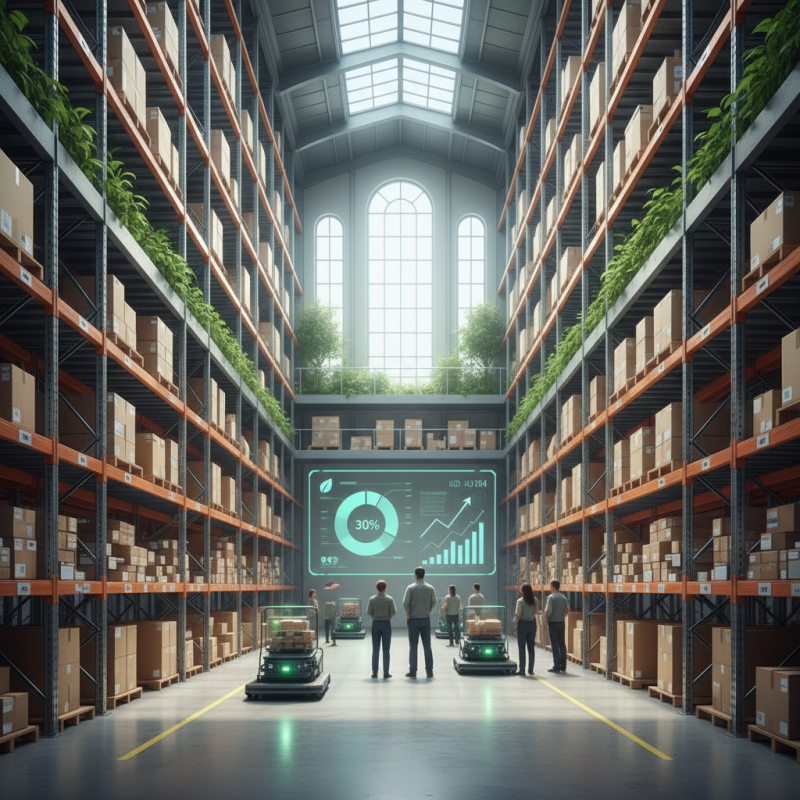
Warehouse sustainability is a crucial factor in modern logistics. It focuses on reducing environmental impact while maintaining operational efficiency. Sustainable practices contribute to eco-friendly operations. They help minimize energy usage and waste, which benefits both the planet and the business.
Implementing racking optimization can significantly enhance sustainability. Properly designed racking systems maximize space. This reduces the need for additional storage facilities, lowering overall energy consumption. Smart layouts can improve airflow, reducing heating and cooling costs. However, many facilities overlook this aspect, leading to wasted resources.
Investing time in training staff on sustainability practices is essential. Employees must understand their role in these efforts. A few simple changes can lead to substantial improvements. Reflecting on existing processes can reveal inefficiencies. Regular assessments can identify areas needing attention.
This chart illustrates various dimensions of warehouse sustainability and their respective impact levels. Each strategy contributes significantly to optimizing overall performance and enhancing sustainability in warehouse operations.
Racking systems play a critical role in warehouse efficiency. According to industry reports, warehouses can achieve up to
30% more storage capacity through effective racking optimization. This increased capacity
not only enhances storage but also improves order-picking rates. Efficient racking enables easier access, reducing time spent searching for items.
Consequently, this leads to faster fulfillment times and a better customer experience.
To enhance warehouse sustainability, consider adjusting your racking layout. Analyze your inventory flow and identify high-traffic areas.
You might find that a better layout reduces the distance workers travel. Simplifying pathways can lower energy usage. As a rule of thumb,
ensure that your racking systems are adjustable. This flexibility allows you to accommodate changing inventory needs efficiently.
Regularly assess your racking performance. Evaluate how changes impact both storage efficiency and order fulfillment.
Feedback from warehouse staff is often invaluable. Engaging them in the process can highlight overlooked inefficiencies.
Remember, even small adjustments can yield significant improvements in sustainability and productivity.
Warehouse sustainability hinges on careful racking design. Analyzing current racking systems unveils areas for improvement. Many designs prioritize maximum storage but overlook environmental impact. It's crucial to assess materials used and their recyclability. Steel, for example, may be strong, but its production is energy-intensive.
Energy consumption is another concern. Traditional racking can lead to wasted space and excess energy usage. A design that maximizes vertical space could reduce the need for larger buildings. This change can minimize the warehouse's carbon footprint. It’s also possible to consider adjustable racking systems. These can adapt to changing inventory needs, ensuring efficient use of resources.
However, achieving optimal racking design isn’t straightforward. Not all facilities have the same dimensions or operations. A one-size-fits-all approach can lead to inefficiencies. It requires an experienced team to analyze specific requirements. Regular review and iteration of designs can foster sustainability. Each update should be grounded in practical experiences. Looking closely at what works—and what doesn’t—can pave the way for greener warehouses.
Improving warehouse sustainability requires innovative racking optimization strategies. According to the Warehousing Education and Research Council (WERC), optimizing racking systems can reduce material waste by up to 30%. Effective racking design maximizes vertical space and reduces the footprint of storage systems. This is crucial, especially as warehouses consume around 30% of energy in industrial sectors.
Implementing adjustable racking systems is one way to enhance sustainability. These systems allow for easy reconfiguration to accommodate different products, reducing the need for additional shelving. A study from the International Warehouse Logistics Association (IWLA) notes that efficient racking can lead to a 20% reduction in unnecessary inventory. Minimizing excess stock not only cuts down on storage costs but also lessens the carbon footprint associated with overproduction.
However, many warehouses still face challenges in achieving optimal configurations. Outdated equipment and limited knowledge about available technologies can hinder progress. It's essential to conduct regular assessments of existing racking systems and explore new options that align with sustainability goals. Adopting advanced software for inventory management can provide real-time data, leading to smarter decisions in racking configuration. Addressing these issues can unlock significant improvements in waste reduction and resource utilization.
Sustainable warehouse operations hinge on effective racking optimization. By choosing the right racking system, companies can enhance space utilization and minimize waste. For example, implementing vertical storage racks can increase storage density. This reduces the building's footprint, ultimately lowering energy consumption.
Monitoring inventory levels is crucial. Many warehouses face challenges due to overstocking or stockouts. Regular audits can reveal patterns, helping managers make informed decisions. By adjusting stock levels based on data, warehouses can operate more efficiently and sustainably.
Employee training also plays a pivotal role. Workers need to understand the importance of sustainability measures. Bad practices can lead to resource waste. Establishing a culture of sustainability can inspire employees to innovate. Setting a goal to reduce waste by a specific percentage can provide a tangible target. Not all strategies will yield immediate results, and learning from shortcomings is essential. Adapting practices over time leads to better outcomes in warehouse sustainability.
| Dimension | Current State | Optimized State | Improvement (%) |
|---|---|---|---|
| Storage Density (pallets per sq ft) | 0.75 | 1.2 | 60 |
| Energy Consumption (kWh/year) | 150,000 | 100,000 | 33.33 |
| Waste Generation (tons/year) | 50 | 20 | 60 |
| Carbon Footprint (CO2e tons/year) | 200 | 120 | 40 |
| Utilization of Space (%) | 65 | 85 | 30.77 |
: Warehouse sustainability involves reducing environmental impact while keeping operational efficiency.
Proper racking designs maximize space usage, reducing energy consumption and the need for extra storage facilities.
Training ensures employees understand their roles, leading to simple yet impactful changes in operations.
Effective racking systems improve access and reduce time searching, enhancing fulfillment speed and customer satisfaction.
Analyze inventory flow and high-traffic areas to simplify pathways, thus lowering energy usage for workers.
Staff insights help identify overlooked inefficiencies, leading to better racking performance and sustainability.
Consider the recyclability of materials used, as some, like steel, may be strong but energy-intensive to produce.
No, it requires careful analysis of specific operational needs and may involve continuous iteration.
Regular assessments help find practical solutions, ensuring that racking systems remain efficient and effective over time.
Custom solutions are necessary because a one-size-fits-all approach can lead to inefficiencies and missed opportunities for improvement.
Enhancing warehouse sustainability is increasingly essential in today’s environmentally conscious market. The importance of warehouse sustainability lies in reducing environmental impact while improving operational efficiency. Racking systems play a crucial role in achieving this by optimizing space and resource management. Analyzing current racking designs can reveal their potential for sustainability, highlighting areas where improvements can be made.
To enhance warehouse sustainability through racking optimization, implementing strategies that reduce waste is key. This includes selecting appropriate racking configurations, improving inventory management, and using sustainable materials in rack construction. Adopting best practices for sustainable warehouse operations not only leads to better resource utilization but also improves overall efficiency. By focusing on these strategies, warehouses can significantly contribute to sustainability goals while maintaining effective logistics operations.

Asia Racking