In warehouse operations, efficiency is crucial. One effective way to achieve this is to Lower Handling Time with Optimized Racking Configuration. An optimized racking system directly influences workflow. It can reduce the time staff spend locating and retrieving items.
Consider the layout of your storage. Poorly designed racking can lead to unnecessary movement. Workers may waste time navigating cramped spaces or searching for misplaced items. A well-planned configuration streamlines access. It places frequently used items within easy reach.
It's essential to assess your current setup. Are your racking systems truly serving their purpose? Taking time to reevaluate could uncover significant improvements. Small adjustments can lead to dramatic changes in efficiency. Emphasizing organization and access can create a more effective workspace. This is not just about saving time, but enhancing overall productivity.
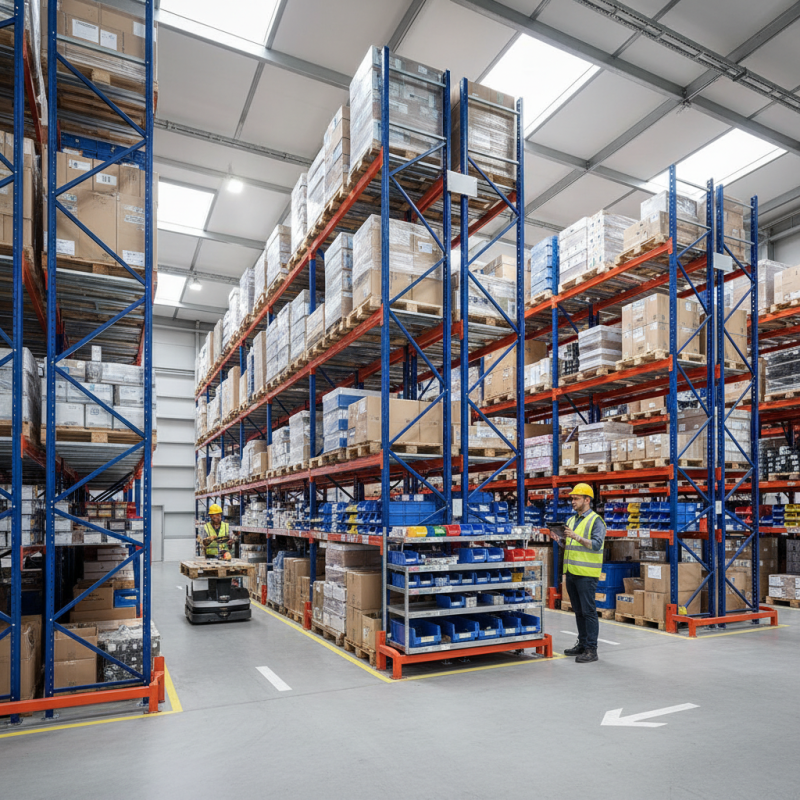
In warehousing, racking configuration plays a crucial role in optimizing handling time.
A well-designed racking system allows for better space utilization.
It reduces the time workers spend searching for items. Efficiency is the key.
A strategic layout can make a significant difference.
One tip is to analyze your inventory flow.
Understand which items are frequently picked. Place these items near the shipping area.
It minimizes travel time. Also, consider vertical space.
Using high racks can increase storage capacity. However, ensure safety measures are in place.
In some settings, challenges arise. Not all products fit neatly on standard shelves.
Bulky or oddly shaped items require creative solutions.
Re-evaluate your racking system regularly. Adjustments may be necessary as inventory changes.
A flexible approach can lead to continuous improvement. The ultimate goal remains to enhance efficiency and reduce handling time.
In logistics, handling time significantly impacts efficiency and costs. Studies show that optimizing racking configuration can reduce handling time by up to 25%. This statistic highlights the importance of a well-planned storage strategy.
Key factors include aisle width, rack height, and product placement. Narrow aisles can save space but may increase handling time. According to a report by Supply Chain 247, ideal aisle width should be at least 3 feet for efficient movement. Racks that are too high also pose challenges. Workers may need additional tools, increasing handling time.
Moreover, product placement plays a crucial role. Items stored frequently should be near the packing area. Data indicates that nearly 60% of time spent in warehouses relates to picking and packing. A thoughtful racking configuration not only enhances efficiency but also minimizes errors. Reflecting on these details, an imperfect layout can lead to unnecessary delays and costly mistakes. Adjustments are essential for continual improvement.
Optimizing racking systems can significantly lower handling time in warehouses. Various types of racking configurations offer unique advantages. For example, selective racking is the most common. It allows easy access to every pallet. However, it requires a larger footprint.
Drive-in and drive-thru racks are excellent for high-density storage. They maximize space in small areas. But these systems can slow down picking speeds. Employees may spend more time navigating through pallets. Therefore, weigh the pros and cons before implementation.
Tips: Focus on your specific needs. Analyze flow and turnover rates. Choose a system that fits these metrics. Consider mixed-racking systems for versatility. They can handle different item sizes. This flexibility can lead to smoother operations but requires careful planning. Always revisit your setup to ensure efficiency. Keep testing different layouts for improvement.
Optimizing your racking layout can significantly reduce handling time in warehouses. An effective configuration ensures that items are easily accessible. This not only speeds up the picking process but also minimizes worker fatigue. Flawed layouts often lead to slow retrieval times and increased errors in picking orders. A close examination of your current setup is crucial.
Consider implementing a zone-based layout. This divides the warehouse into specific areas for different categories of items. It can cut down on travel time. Also, placing high-frequency items near retrieval points is a smart move. This simple change can boost efficiency.
Tips: Regularly review your layout. Identify bottlenecks and underutilized spaces. Involve your team in the redesign process; they can provide valuable insights. Monitor performance after changes. Adjustments may lead to unexpected issues. Flexibility is key to an effective racking system.
| Racking Type | Optimal SKU Density | Average Handling Time (seconds) | Recommended Aisle Width (inches) | Handling Efficiency (% Increase) |
|---|---|---|---|---|
| Selective Racking | 80 SKUs per Square Meter | 30 | 48 | 10% |
| Drive-In Racking | 120 SKUs per Square Meter | 25 | 60 | 15% |
| Push Back Racking | 100 SKUs per Square Meter | 28 | 54 | 12% |
| Flow Racking | 90 SKUs per Square Meter | 32 | 50 | 18% |
| Mobile Racking | 70 SKUs per Square Meter | 35 | 42 | 8% |
Measuring and analyzing handling time is crucial in optimizing racking configurations. According to a 2022 report by Supply Chain Management Review, handling time can account for up to 30% of total operational expenses. Businesses often overlook this metric, focusing instead on larger strategies. A simple change in racking layout can lead to significant results.
Tracking handling time is the first step. Using a stopwatch or a digital tool helps create a baseline measurement. Observers should document actual handling times across different scenarios. A well-organized racking system minimizes unnecessary movements. For instance, placing frequently accessed items within arm's reach saves time and reduces fatigue.
However, challenges persist. Fluctuating demand can disrupt established patterns. Employees may have varying levels of skill that affect handling time. A University of Logistics study found that proper training can improve efficiency by 25%. Continuous evaluation is key. Installing cameras helps in analyzing workflows. Adjustments may be needed as products and demand change.
: Staying active improves heart health. It enhances mood and boosts energy levels. Regular activity also supports weight management.
Adults should aim for at least 150 minutes of moderate activity weekly. Short sessions can add up effectively.
Yes, but ease into it. Start with simple exercises and gradually increase intensity. Listen to your body to avoid injury.
Incorporate a mix of cardio, strength training, and flexibility exercises. Variety helps maintain interest and improves overall fitness.
Find short workouts that fit. Even 10-minute sessions are beneficial. Consistency is key, so make it a habit.
Good nutrition fuels your workouts. Balanced meals enhance performance and recovery. Poor diet can lead to fatigue.
Many face time constraints or lack of motivation. Sometimes, it's difficult to find enjoyable activities.
No, plenty of exercises can be done at home. Outdoor activities can be just as effective and enjoyable.
Set realistic goals and track your progress. Finding a workout buddy can also provide accountability and support.
Stop immediately and assess the pain. If it persists, consult a healthcare professional. Pushing through can lead to serious issues.
In today's competitive logistics landscape, businesses are increasingly focused on efficiency, making it crucial to lower handling time with optimized racking configuration. By understanding the significance of racking layout in warehouses, companies can identify the key factors that impact handling time, such as accessibility, space utilization, and inventory management.
Exploring various types of racking systems allows organizations to find the best fit for their specific operations, ultimately leading to improvements in workflow and productivity. Implementing best practices for an effective racking layout not only streamlines processes but also enhances overall performance. Regularly measuring and analyzing handling time ensures that companies can evaluate improvements and make data-driven adjustments to their strategies, reinforcing the importance of an optimized racking configuration in driving operational success.

Asia Racking