In the world of logistics and warehousing, space utilization is vital. Proper storage can directly impact efficiency and costs. Companies must find ways to maximize storage capacity using professional racking strategies. The right racking system can significantly improve the organization and accessibility of goods. However, many businesses fail to assess their specific needs effectively.
Choosing the wrong racking system can lead to wasted space and inefficiencies. For instance, firms often overlook the potential of multi-level racking systems. These systems can dramatically increase vertical storage and help in utilizing overhead space. A well-thought-out racking plan ensures that products are easy to access while maximizing capacity.
Yet, it is crucial to remember that every warehouse is unique. There is no one-size-fits-all solution. Evaluating current processes can reveal gaps in efficiency. Reflecting on past storage decisions can guide future improvements. By prioritizing the maximization of storage capacity using professional racking strategies, businesses can enhance their operational performance and drive growth.
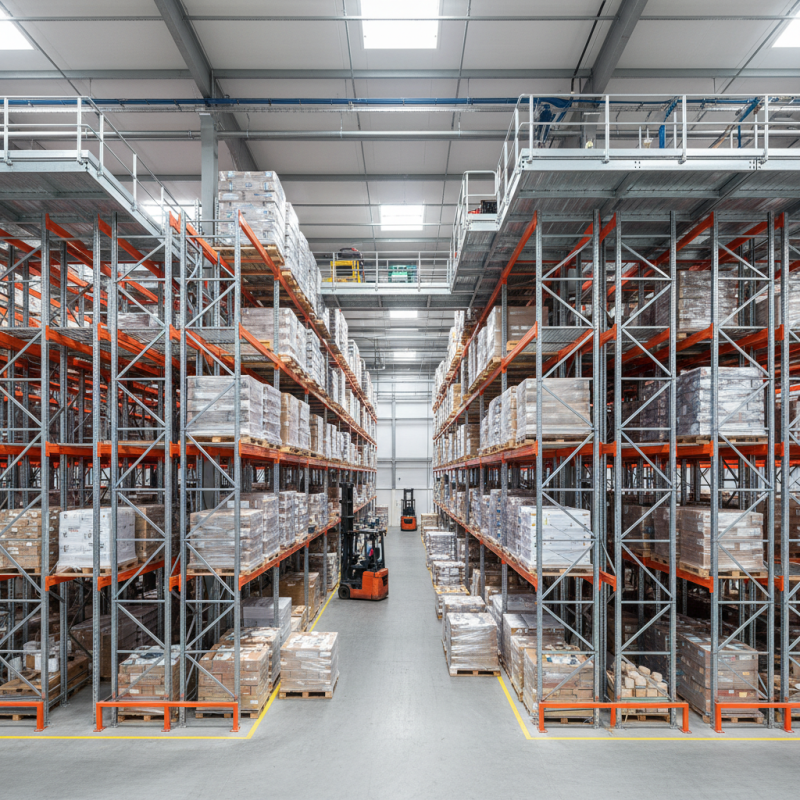
When selecting a racking system, it’s vital to understand the types available and their impacts on storage capacity. In warehouses, traditional pallet racking is common, providing straightforward access to stored items. According to industry reports, this method can improve space utilization by up to 30%. However, it often leads to inefficiencies in dense storage situations.
Selective racking, while widely used, may not maximize vertical space effectively. With heights reaching 30 feet or more, implementing high-density systems, like drive-in or push-back racking, can ultimately boost capacity even further. High-density systems allow warehouses to increase storage by as much as 40% but can complicate inventory management. Operators need extensive training to handle these systems safely and efficiently. A balance between maximizing capacity and ensuring operational efficiency is crucial.
Moreover, the choice of racking affects accessibility. Narrow aisles can increase storage but hinder order picking speeds. Companies should conduct a detailed analysis of their inventory turnover rates. This helps identify the best racking solutions tailored to specific needs. Such evaluations often highlight areas for improvement that can significantly enhance overall storage efficiency.
High-rise racking solutions can dramatically enhance vertical space utilization. By leveraging vertical height, businesses can store more items in a smaller footprint. This approach not only maximizes storage capacity but also improves organization within warehouses. Effective racking systems help reduce clutter and streamline picking processes.
When considering high-rise racking, think about safety. Structures must be sturdy and well-anchored. Regular inspections are essential to ensure safety and functionality. Ensure your staff is trained in best practices for racking systems. This will help prevent accidents and maintain efficiency.
Explore options that allow for flexibility. Adjustable racking can accommodate changing inventory levels. It’s crucial to balance high-density storage with accessibility. Sometimes, the most efficient systems may complicate retrieval. Assess your operational needs before implementing changes. High-rise racking can boost your storage strategy when designed thoughtfully.
Maximizing storage capacity in warehouses often hinges on the effective configuration of racking systems and aisle widths. Numerous studies indicate that optimizing the warehouse layout can lead to a 30% increase in storage efficiency. Aisle width plays a critical role in determining how much product can be stored, as narrow aisles can facilitate higher racking, but may limit maneuverability.
For example, a case study revealed that switching from standard 12-foot aisles to 8-foot aisles allowed for an additional 25% more racking space. However, this configuration can make it challenging to navigate larger equipment, leading to potential safety concerns and operational delays. It's essential to balance space maximization with accessibility and safety.
The racking configuration itself can also impact overall efficiency. Selective racking may offer easy access but utilizes space less efficiently. On the other hand, drive-in racking can provide greater density but leads to complexity in inventory management. Companies must assess their specific needs carefully. Regular evaluations of racking systems and warehouse layouts can reveal opportunities for improvement that align with evolving operational requirements.
| Aisle Width (ft) | Racking Configuration | Storage Capacity (pallets) | Average Accessibility (score) | Flexibility (score) |
|---|---|---|---|---|
| 12 | Selective Racking | 150 | 8 | 7 |
| 10 | Double Deep Racking | 250 | 6 | 5 |
| 8 | Drive-In Racking | 300 | 5 | 4 |
| 6 | Push Back Racking | 200 | 7 | 6 |
| 14 | Cantilever Racking | 180 | 9 | 7 |
Effective racking strategies are vital for maximizing storage capacity. Implementing FIFO (First In, First Out) and LIFO (Last In, First Out) methods can significantly enhance efficiency. FIFO ensures that older inventory leaves first, reducing waste. It works well for perishable items. LIFO is beneficial for non-perishable goods, minimizing handling time.
Add clear labels to each rack. This simple step speeds up inventory checks. Regular audits are essential. They help identify slow-moving items. Consider your layout. Is it too cramped? Space can be optimized with vertical storage. Don’t overlook aisle widths. They impact workflow.
Remember to assess your team’s training. Staff understanding of FIFO and LIFO is crucial. Implement hands-on training sessions. Mistakes in handling methods can lead to inefficiencies. Reflect on your current strategy. Are there consistent bottlenecks? Address them with feedback from your team. They often have insights that can lead to improvements.
Measuring storage density is crucial for optimizing racking design in warehouses. According to a report by the Warehousing Education and Research Council, understanding the specifics of storage density can enhance operational efficiency by 30%. This metric helps identify the best arrangement for products, ensuring maximum space utilization.
Industry standards, such as the ASTM E287-14, outline parameters for measuring storage density. These parameters include the vertical and horizontal space used in storage systems. Many professionals overlook these standards, impacting their ability to effectively use available space. For example, warehouses can often operate with as little as 60% of their intended capacity.
Applying best practices in racking design involves regular assessments. These assessments should focus on layout, accessibility, and product rotation. By reevaluating storage strategies, facilities can uncover inefficiencies, such as dead space or unsuitable racking types. Continued education and updates on industry best practices are vital. Despite progress, many still face challenges in adapting their systems to maximize capacity effectively.
: Traditional pallet racking is common. Selective racking is also widely used.
It can enhance space use by up to 30%. However, it may not work well in dense storage conditions.
High-density systems can boost capacity by 40%. They utilize vertical space effectively.
Inventory management can become complex. Extensive training is needed for safe operation.
They can increase storage but slow down order picking speeds. This complicates workflow.
It can enhance operational efficiency by 30%. Understanding it helps optimize product arrangement.
Safety is paramount, and regular inspections are necessary. Staff must be well-trained in best practices.
It allows for flexibility in changing inventory levels. This can improve overall storage capacity.
Regular assessments should focus on layout and product rotation. Many overlook these, impacting efficiency.
Poor implementation of racking types can lead to using only 60% of intended capacity.
Maximizing storage capacity using professional racking strategies is essential for efficient warehouse management. By understanding the various types of racking systems and their impacts, businesses can significantly enhance their storage solutions. High-rise racking options allow for effective vertical space utilization, optimizing the available area and improving operational efficiency. Additionally, carefully considering aisle width and racking configuration plays a critical role in warehouse layout, ensuring that space is used effectively while maintaining accessibility.
Implementing inventory management techniques such as FIFO (First In, First Out) and LIFO (Last In, First Out) further enhances racking efficiency, allowing for streamlined operations. To achieve optimal storage density, adhering to industry standards and best practices in racking design is crucial. By focusing on these effective strategies, organizations can maximize their storage capacity and improve overall productivity in their warehouses.

Asia Racking