How to Maximize Warehouse Space with Effective Racking Systems?

Time:2026-07-03 Author:Aria
0%

In the competitive world of warehousing, maximizing space is essential. According to a report by the Warehousing Association, companies can increase storage capacity by 30% through effective racking systems. This highlights the critical role of innovative racking solutions in modern logistics.

Renowned expert John Smith states, “To improve warehouse space utilization with racking systems, we must embrace smart design.” His insights emphasize that proper planning is essential. Many warehouses struggle with inefficient layouts, leading to unused space and operational delays.

Implementing the right racking systems not only optimizes space but can also enhance workflow. However, selection can be overwhelming. It is crucial to assess the unique needs and constraints of each warehouse. Balancing between cost and efficiency often requires reflection and adjustment. By doing so, businesses can significantly enhance their operational capacity.
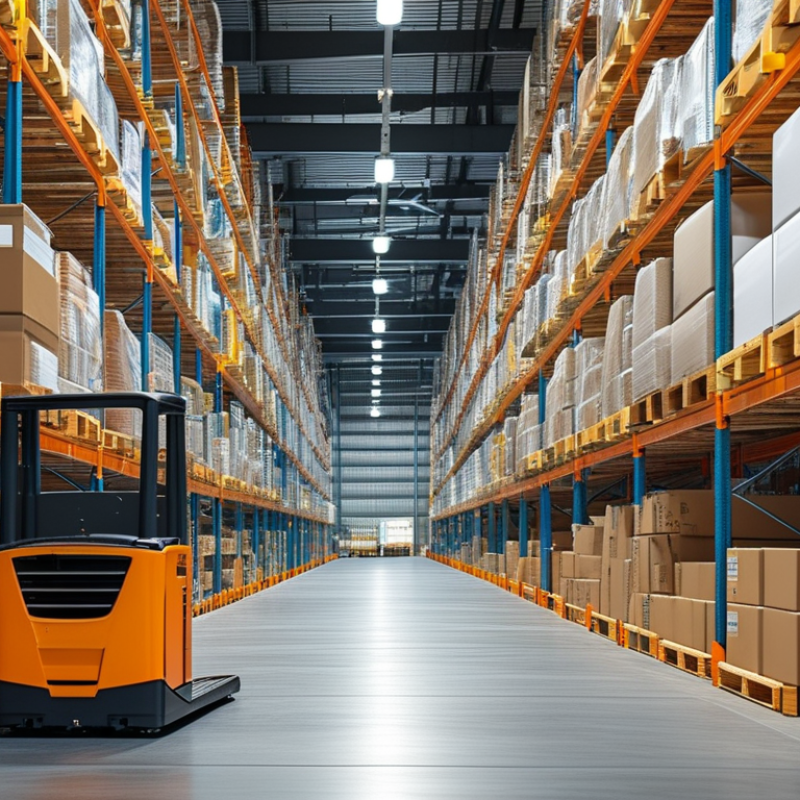
How to Maximize Warehouse Space with Effective Racking Systems?

Understanding Warehouse Space Optimization

Understanding warehouse space optimization is crucial for efficient operations. Studies show that optimizing racking systems can increase storage capacity by up to 30%. This is significant in today's fast-paced supply chain landscape. High-density racking solutions, like pallet racking and selective racking, can elevate storage floors and improve access speed.

In a warehouse, every square foot counts. Poor layout designs can lead to wasted space. A report from the Warehousing Education and Research Council indicates that poorly utilized space can cost companies thousands annually. Implementing a thorough analysis of existing layouts helps identify inefficiencies. Vertical space should always be utilized. By going upwards, warehouses can often double their capacity without needing to expand their footprint.

Regular evaluations of storage systems are essential. Beware of common pitfalls, like overloading racks or neglecting safety regulations. The right balance between efficiency and safety is key. Investing in training for staff to use racking systems properly enhances both safety and productivity. Data shows that companies investing in training report better organization and lower accident rates. Ultimately, a well-thought-out racking system can transform a warehouse’s operational efficiency.

Evaluating Different Types of Racking Systems

When evaluating different types of racking systems, it's crucial to understand their impact on warehouse efficiency. Consider pallet racks, which can support heavy loads. According to a recent industry report, these racks can increase storage capacity by up to 40%. This space optimization is essential for maximizing inventory management.

Drive-in racking is another option. It allows for high-density storage of similar items. This system can reduce the footprint needed for storage by 30%. However, it may not be ideal for warehouses with diverse stock. The limited access to goods can complicate inventory rotation and retrieval.

Tips: Regularly assess your racking system to ensure it's best suited for your inventory needs. Use vertical space effectively to accommodate growing stock levels. Balance high-density systems with accessibility to avoid delays during order fulfillment. Remember that each racking type has unique limitations, so thorough evaluation is necessary before implementation.

Warehouse Space Utilization by Racking System Type

Implementing Vertical Space Utilization Strategies

Maximizing vertical space in warehouses is essential for efficient operations. Utilizing high racking systems allows for increased storage capacity. Invest in adjustable racking units. This flexibility caters to various product sizes. Each inch of vertical space can significantly boost storage potential.

Consider the layout carefully. Analyze your inventory turnover rates. High-demand items should be easily accessible. Reserve lower racks for frequently picked products. This ensures efficient workflow and minimizes retrieval times. Use signage to indicate locations clearly. Well-placed labels can enhance organization.

Regularly assess your systems. Over time, needs may change. Adapt to new products or fluctuations in demand. Consider training staff on optimal racking practices. Encourage feedback for continuous improvement. Warehouse efficiency can become a moving target, requiring ongoing adjustments and thoughtful reflection.

Planning for Future Growth and Scalability

Effective racking systems play a vital role in maximizing warehouse space. When planning for future growth, it’s essential to consider scalability. As businesses evolve, their storage needs change drastically. A flexible racking system allows for adaptations that can accommodate increased inventory or changes in product lines. This adaptability can be a game-changer in efficiently utilizing available space.

Invest in modular racking solutions that can expand as needed. Such options allow you to add or remove levels without significant modifications. Using adjustable shelving can make a difference too. It can be tailored to fit different product sizes, thus enhancing space efficiency. However, it’s important to assess growth projections realistically. Overestimating demands can lead to unnecessary costs and clutter.

Regular evaluations of your racking system's effectiveness can provide insights. Engage with staff to gather feedback on the current setup. This can help identify pain points and areas for improvement. Remember, the goal is not just to fill the space but to optimize it for smooth operations. Balancing immediate needs with future growth can make your warehouse more functional and strategic.

Maintaining Safety and Compliance in Racking Systems

When designing effective racking systems in warehouses, safety and compliance are paramount. The layout must ensure that all regulations are followed. For instance, proper spacing between racks is crucial. This prevents accidents and allows easy access for emergency services. Regular inspections can identify potential hazards. These inspections should include checking for any damage to racking components.

Employee training plays a significant role in maintaining safety. Workers should understand load limits. They must know how to safely operate equipment like forklifts. It's not just about following rules; it's also about fostering a culture of safety. Inadequate training can lead to mistakes. These mistakes may result in injuries or product damage.

Documentation ensures compliance with industry standards. A clear record of inspections and maintenance can aid in audits. It's essential to have policies in writing. Updates should be communicated regularly to all staff. Allowing employees to provide input on safety measures can enhance engagement. Sometimes policies may overlook practical challenges. Engaging workers can help identify these gaps.

FAQS

: What is warehouse space optimization?

: It focuses on improving storage capacity and efficiency in warehouse operations.

How much can optimizing racking systems increase storage capacity?

Studies indicate it can boost storage capacity by up to 30%.

Why is the layout of a warehouse important?

A poor layout can waste space and cost companies thousands annually.

What strategies can be used for vertical space utilization?

High racking systems and adjustable units can maximize vertical storage potential.

What should be considered when planning for future growth?

A flexible racking system should adapt to changing inventory and product lines.

How can regular evaluations of storage systems help?

They identify inefficiencies and inform necessary adjustments in storage strategies.

What common pitfalls should warehouses avoid?

Overloading racks and neglecting safety regulations can compromise efficiency and safety.

Why is training staff on racking systems important?

Proper training enhances safety, productivity, and organization within the warehouse.

How can signage and labels improve warehouse efficiency?

Clear indications of locations help streamline workflow and minimize retrieval times.

What should be done to adapt to changes in inventory needs?

Regularly assess systems, train staff, and seek feedback for continuous improvement.

Conclusion

To improve warehouse space utilization with racking systems, it is essential to understand the principles of warehouse space optimization. This involves evaluating various types of racking systems to identify which configuration best suits the specific needs of the warehouse. By implementing vertical space utilization strategies, warehouses can maximize storage capacity while maintaining easy access to inventory.

Additionally, planning for future growth and scalability ensures that the racking system can adapt to changing demands. It is also crucial to maintain safety and compliance within the racking system to safeguard both the facility and its workforce. By carefully considering these factors, businesses can effectively enhance their warehouse operations and achieve improved efficiency.

Aria

Aria

Aria is a dedicated marketing professional with a deep passion for innovative strategies and a keen understanding of our company's product offerings. With a wealth of experience in the industry, Aria excels at crafting engaging content that highlights the unique features and benefits of our......