Maximize Small Warehouse Space with Smart Racking Solutions?

Time:2026-06-10 Author:Liam
0%

As e-commerce continues to thrive, the demand for efficient warehouse operations grows. The latest data from the Warehousing Equipment Manufacturers Association (WEMA) shows that 23% of warehouses struggle with space utilization. This challenge is particularly acute for small warehouses. Maximizing space is not just about adding more shelves. It requires innovative smart racking solutions. These systems can transform vertical space into usable storage.

Enhancing space usage in small warehouses with smart racking can lead to significant efficiency gains. According to a report by the National Institute of Standards and Technology (NIST), optimizing warehouse space can increase operational efficiency by 30%. This efficiency translates to cost savings and higher productivity, crucial for businesses in a competitive landscape. Smart racking systems not only improve organization but also facilitate faster access to inventory.

However, the implementation of these systems isn't without challenges. Businesses often struggle with initial setup costs and the need for employee training. Reflecting on these concerns is essential for any warehouse management strategy. Understanding the balance between technology investment and operational needs can help in making informed decisions that truly enhance space usage.
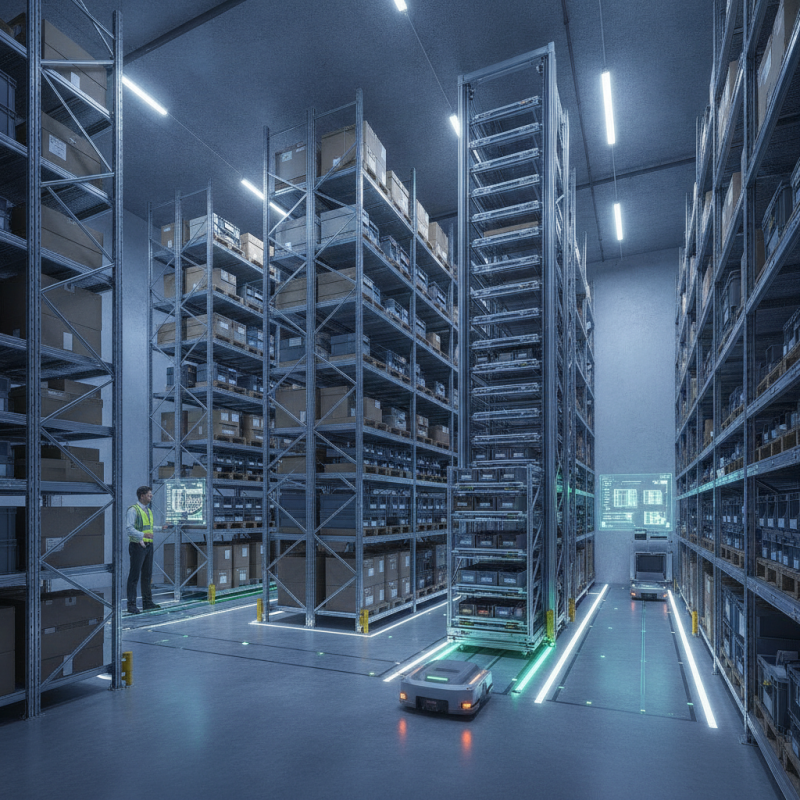
Maximize Small Warehouse Space with Smart Racking Solutions?

Maximizing Vertical Space: The Importance of Smart Racking Systems

Vertical space is often underutilized in small warehouses. Smart racking systems can help maximize this valuable area. By going vertical, you can store more items without expanding your floor space. These systems use adjustable shelves and modular designs to fit various needs. This flexibility is essential for adapting to changing inventory.

Tips for optimizing your racking system include assessing your inventory regularly. Understanding what you have and what you need can prevent overstock. Additionally, consider the weight distribution when arranging items. Heavier items should be placed lower, ensuring stability. Leveraging technology, such as inventory management software, can streamline this process.

It’s important to reflect on your current setup. Are you truly utilizing the height available? Consider conducting a space audit to identify unused vertical areas. Small changes can lead to significant gains in efficiency. Invest time in planning your layout to make the most of your smart racking system.

Maximize Small Warehouse Space with Smart Racking Solutions

Racking Solution Maximized Vertical Space (ft) Storage Density (pallets per ft3) Ideal For
Pallet Racking 12 1.5 Standard pallets
Cantilever Racking 10 1.0 Long, bulky items
Drive-In Racking 15 2.0 High-volume inventory
Mobile Shelving 8 1.2 Document storage
Mezzanine Racking 20 1.8 Multi-level storage

Analyzing Warehouse Size: How Space Utilization Impacts Efficiency

Maximizing warehouse space is essential for improving efficiency. According to industry reports, effective space utilization can increase operational efficiency by up to 30%. Small warehouses face unique challenges due to limited space. Proper racking solutions can enable businesses to store more items without expanding their footprint. Choosing the right racking system is crucial. It can drastically impact item accessibility and inventory management.

Optimizing vertical space is often overlooked in small warehouses. Utilizing taller racking systems can make good use of the height available. This strategy can free up floor space and create a more organized layout. However, one must ensure that the increase in height does not compromise safety. Regular safety audits are necessary to maintain operational standards.

Tips: Analyze your storage needs frequently. Evaluate the types and sizes of products stored. Adjust your racking systems accordingly. Additionally, train staff to efficiently use the new systems. Even small changes can enhance flow and reduce errors in picking and packing. Reflecting on current practices can lead to significant improvements, even in tight spaces.

Choosing the Right Racking Solutions: A Comparison of Popular Types

Choosing the right racking solution for a small warehouse can greatly enhance efficiency. Various types of racking systems offer distinct advantages. Selective pallet racking is common due to its flexibility. It allows easy access to every pallet. Yet, it may not utilize vertical space effectively.

In contrast, drive-in racking maximizes storage by allowing multiple pallets deep in a lane. This method is perfect for bulk storage, but access can be challenging. It requires a careful stock rotation strategy. Another option, boltless shelving, is simple to install and adjust. It’s suitable for lighter loads and smaller items. However, it doesn’t provide the same weight capacity as pallet systems.

Each system has pros and cons. Evaluating your warehouse needs is crucial. Reflect on the size, weight capacity, and accessibility requirements. Consider future growth as well. The ideal racking solution is not just about current inventory. Planning for change is vital. Making the right choice today can save time and money later.

Current Trends in Warehouse Automation: Integrating Smart Racking with Tech

The demand for smarter warehouse solutions is at an all-time high. A recent report by the International Warehouse Logistics Association indicates that 78% of warehouses are looking to automate their operations. Integrating smart racking systems can greatly enhance efficiency in small warehouse spaces. These systems not only increase storage capacity but also improve inventory management through real-time data tracking. Statistics show that companies that implement automated storage solutions can see an increase in productivity by up to 30%.

However, the integration of technology in warehouses can come with challenges. Many organizations struggle with the initial costs of implementation and the need for employee retraining. A survey by Logistics Management highlighted that 65% of respondents faced obstacles related to staff adaptation to automated systems. The path to smart racking requires thoughtful planning and ongoing evaluations. It's essential to assess the effectiveness of these systems in a real-world setting, as not every solution fits all warehouse types.

Despite the complexities, the benefits are compelling. Smart racking solutions offer scalability, allowing businesses to adjust storage methods as needed. Automation can optimize space, but the human factor must not be overlooked. Vigilance in training and adapting to technological advancements remains crucial. This ensures that the workforce feels valued and empowered while embracing innovative solutions.

Calculating ROI: The Financial Benefits of Optimized Racking Solutions

Maximizing small warehouse space begins with smart racking solutions. These systems can transform cluttered areas into organized storage. Optimized racking not only saves space but also increases efficiency. The return on investment (ROI) for these systems can be significant. By reorganizing your space, you can improve access to inventory and reduce picking time. Financial benefits often outweigh the initial costs of installation.


Tips: Consider the vertical space in your warehouse. High racking systems can dramatically increase storage capacity. Regular assessments of your inventory flow can provide insights into better layouts.


Proper racking can even lead to lower labor costs. By streamlining operations, you'll need fewer employees to handle the same workload. Research indicates that well-implemented racking solutions can lead to a 20% increase in productivity. However, it’s important to evaluate the specific needs of your warehouse. Not all racking solutions will fit every operation effectively.


Tips: Invest in employee training for new systems. Proper usage ensures safety and maximizes your investment. Additionally, continuous monitoring of racking conditions can help avoid costly damages and maintain efficiency.

FAQS

: What are some common types of racking solutions?

: Selective pallet racking and drive-in racking are popular. Each has unique benefits for storage needs.

How does selective pallet racking enhance efficiency?

It provides easy access to every pallet, making retrieval straightforward.

What is a drawback of selective pallet racking?

It may not fully utilize vertical space, potentially wasting storage capacity.

What is the advantage of drive-in racking?

It allows for bulk storage by accommodating multiple pallets deep in a lane.

What challenge does drive-in racking present?

Access can be difficult, requiring careful stock rotation strategies.

What is boltless shelving used for?

It is easy to install and great for lighter loads and smaller items.

What is a limitation of boltless shelving?

It has a lower weight capacity compared to pallet systems, which may not suit all needs.

Why is planning for future growth important in racking solutions?

The right choice today should align with potential future inventory changes.

What trend is shaping warehouse automation?

Smart racking integrated with technology is becoming a priority for many warehouses.

What challenges do warehouses face with automation?

Initial costs and staff adaptation to new automated systems can be significant hurdles.

Conclusion

To enhance space usage in small warehouses with smart racking solutions, it is crucial to maximize vertical space efficiently through the implementation of advanced racking systems. These systems not only improve space utilization but also significantly boost overall efficiency. As warehouse size impacts operational workflows, selecting the right racking solutions becomes vital. A thorough comparison of popular types of racking can help businesses determine the best fit for their needs.

In addition, the integration of current trends in warehouse automation with smart racking technologies can streamline processes and enhance productivity. Calculating the return on investment (ROI) for optimized racking solutions reveals substantial financial benefits, ensuring that warehouses not only save space but also increase profitability. Embracing these smart racking systems is essential for small warehouses aiming for operational excellence and sustainable growth.

Liam

Liam

Liam is a dedicated marketing professional with a profound expertise in the industry, where he excels at highlighting the unique advantages of our core products. With a keen understanding of market trends and consumer needs, Liam frequently updates our company’s professional blog, providing......