How to Minimize Product Damage with Safe Racking Installation?

Time:2026-05-11 Author:Amelia
0%

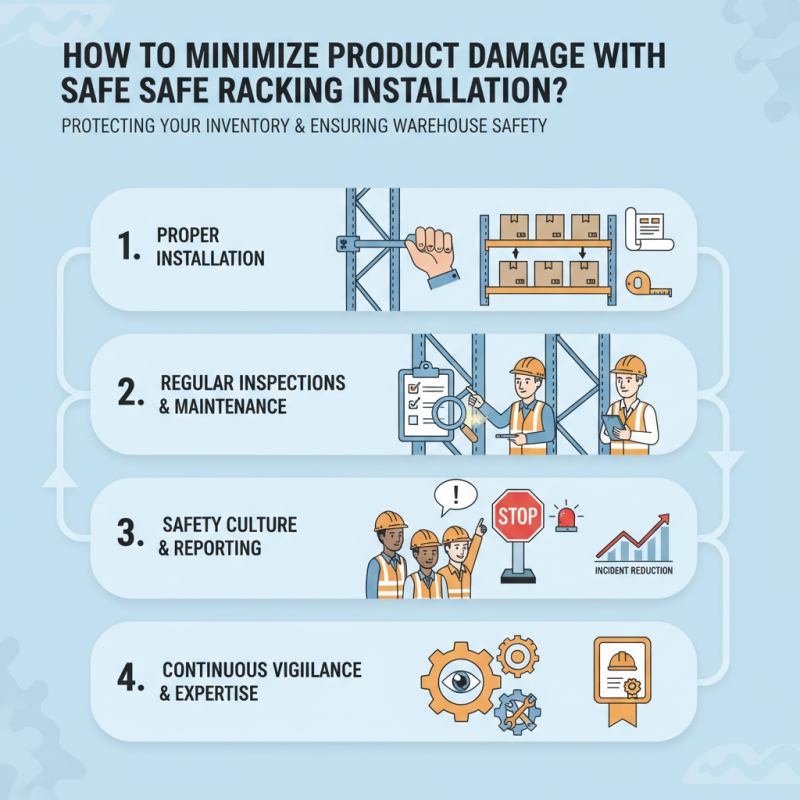
In modern warehousing, the safety of products depends significantly on racking systems. Poorly installed racks can lead to costly product damage and safety hazards. To address these issues, it is essential to focus on strategies that help minimize product damage through safe racking installation.

Proper installation is key to ensuring that racks withstand the weight and demands of the stored items. A well-structured racking system not only maximizes space but also protects your inventory. Each component of the racking must be installed with precision and consideration of the weight distribution.

Moreover, regular inspections and maintenance are critical to long-term effectiveness. An overlooked bolt or misplaced bracket can compromise the entire system. It's essential to foster a culture of safety within your team, encouraging them to report issues immediately. Reflecting on past incidents can help you understand the importance of safe racking practices. Ultimately, minimizing product damage through safe racking installation is a continuous process, requiring vigilance and expertise.
How to Minimize Product Damage with Safe Racking Installation?

Understanding the Importance of Safe Racking Installation for Product Safety

Safe racking installation plays a crucial role in product safety within warehouses and distribution centers. According to the National Institute of Standards and Technology (NIST), approximately 25% of all product damage in warehouses is linked to improper storage methods. Racking systems that are not installed correctly can lead to accidents, product loss, and costly repairs. A single collapsed rack can result in significant product damage, affecting not only financial performance but also customer trust.

Understanding proper racking techniques can greatly enhance safety. The Material Handling Industry of America (MHIA) states that well-designed racking can reduce accidents by up to 60%. Adhering to best practices, such as ensuring the racking system is level, securely anchored, and appropriate for the load type, is essential. However, many facilities overlook these requirements in favor of speed. This can lead to dire consequences that require reevaluation.

Regular inspections and staff training are necessary. A survey by the Occupational Safety and Health Administration (OSHA) revealed that inadequate training contributes to 70% of warehouse accidents. Investing in ongoing education can help mitigate risks. By taking a proactive approach, companies can enhance product safety and minimize damage. Balancing efficiency and safety should always be a priority.

Key Factors to Consider When Designing a Racking System

When designing a racking system, several key factors play a crucial role in minimizing product damage. The layout and height of the racking should accommodate the specific products stored. An industry report shows that improper racking design contributes to over 30% of warehouse accidents, leading to damaged goods and increased costs. Ensuring the racking system has adequate support can significantly reduce the likelihood of product displacement.

Another aspect to consider is the clearance height. Storage items require enough space to avoid contact and damage during stocking and retrieval. Data indicates that maintaining a 6-inch minimum clearance between stored items and the racking can improve safety. Furthermore, regularly conducting safety audits on the racking system can identify weaknesses. Regular inspections can reduce the chance of failures that lead to accidents.

Finally, employee training plays a pivotal role in safe racking practices. Even with an optimal racking design, human error can still result in damage. Companies should regularly provide training, focusing on proper handling techniques. These steps, combined with a well-thought-out racking system, can lead to reduced product damage and improved operational efficiency.

Best Practices for Installing Racking Systems to Prevent Product Damage

When installing racking systems, following best practices is crucial for preventing product damage. Proper layout and design play an essential role. Ensure that aisles between racks are wide enough for safe movement. This avoids accidents that lead to product spills or falls. Additionally, consider the weight distribution on the shelves. Overloading can lead to structural failure, causing both product loss and safety hazards.

Using quality materials for racking systems is equally important. Cheap materials may save costs initially but can lead to significant losses later. Inspect the racking regularly for wear and tear. Regular checks can prevent the risk of collapses. Training your team on safe handling procedures is also a key aspect. A well-informed staff can recognize unsafe conditions quickly, minimizing risks.

Monitoring environmental factors, such as humidity and temperature, is essential. Extreme conditions can affect product integrity. For example, excessive moisture can weaken cardboard boxes. Avoid placing heavy items on the top shelves. This not only increases the risk of falling but also makes retrieval difficult. Small changes in approach can significantly enhance safety and minimize product damage.

Product Damage Prevention in Racking Systems

This chart illustrates the various causes of product damage associated with racking systems, highlighting the importance of proper installation and maintenance to minimize risks.

Regular Maintenance and Inspections to Ensure Racking Safety

Regular maintenance and inspections are crucial for ensuring racking safety. Many warehouses overlook this vital aspect. Ignoring it can lead to significant damage and safety risks. Inspecting racking systems regularly helps identify wear and tear. Look for cracks, corrosion, or bent frames. Small issues can escalate into major problems if not addressed. A well-documented inspection schedule fosters accountability among staff.


Training is essential. Staff must know how to perform inspections effectively. Preventive measures come from understanding potential risks. This knowledge enables teams to act before accidents happen. Implementing a feedback loop allows for continuous improvement. After each inspection, gather insights to refine processes.


Periodic evaluations can expose weaknesses in your system. While aiming for perfection, embrace the fact that some flaws will always exist. Every racking setup will show signs of fatigue over time. Accepting this reality prepares you to respond better. Regular maintenance not only ensures safety but also prolongs the lifespan of your equipment.

Training Staff on Safe Racking Practices and Damage Prevention Techniques

Training staff on safe racking practices and damage prevention techniques is crucial for any warehouse operation. Staff members should be well-versed in racking systems. Regular training programs can help ensure everyone understands the importance of proper loading techniques. This can minimize the risk of damage to products and the racking system itself.

Practical training sessions can simulate real-life scenarios. Use actual racking setups where employees can practice. Obvious issues may arise, such as improper loading or lack of awareness. These moments provide opportunities for reflection and problem-solving. Encouraging staff to identify and report unsafe practices fosters a proactive culture.

Effective communication is key. Staff should feel comfortable discussing safety concerns. Regular meetings can keep everyone on the same page. Utilize visual aids to enhance understanding. A well-trained team can significantly reduce damage and enhance safety. Emphasizing continual learning will build a resilient workforce prepared for challenges in the warehouse environment.

FAQS

: Why is safe racking installation important?

: Safe racking installation prevents product damage and accidents in warehouses. Improper storage methods significantly increase risks.

What percentage of product damage is linked to improper storage?

Approximately 25% of product damage stems from improper storage methods. This highlights the importance of correct racking installation.

How can proper racking techniques enhance safety?

Proper racking techniques, like ensuring level systems and secure anchoring, can reduce accidents by up to 60%.

What contributes to warehouse accidents?

Inadequate training contributes to about 70% of warehouse accidents. Regular training is thus essential for safety.

How can racking system design minimize damage?

A well-designed racking system that accommodates specific products can help reduce incidents and associated costs.

Why is clearance height important?

Maintaining a minimum clearance of 6 inches between stored items improves safety. It prevents contact damage during handling.

What role do safety audits play?

Regular safety audits identify weaknesses in racking systems. They help prevent failures that could lead to accidents.

How does employee training affect racking safety?

Employee training on proper handling techniques minimizes errors. Even with good design, human mistakes can still cause damage.

What balance should companies maintain?

Companies need to prioritize both efficiency and safety. A rush can lead to oversights that risk product safety.

What are the consequences of overlooked racking requirements?

Overlooking racking requirements can lead to accidents and product loss. This requires a reevaluation of safety practices.

Conclusion

Minimizing product damage through safe racking installation is essential for maintaining product integrity and ensuring operational efficiency. Understanding the importance of a well-designed racking system can significantly enhance product safety. Key factors such as load capacities, space utilization, and accessibility must be taken into account when designing racking systems. Implementing best practices during installation, such as securing racking units and ensuring proper spacing, can further prevent product damage.

Regular maintenance and inspections are vital to ensure the ongoing safety and functionality of racking systems. Furthermore, training staff on safe racking practices and damage prevention techniques is crucial, as it empowers them to recognize potential hazards and act accordingly. By adhering to these guidelines, businesses can effectively minimize product damage and create a safer working environment.

Amelia

Amelia

Amelia is a seasoned marketing professional with a wealth of expertise in our company’s core offerings. With an unwavering passion for driving growth and innovation, she plays a pivotal role in shaping our marketing strategies and enhancing brand visibility. A key aspect of her responsibilities......