Optimize Storage Density with Racking Solutions for Your Business?

Time:2026-04-29 Author:Amelia
0%

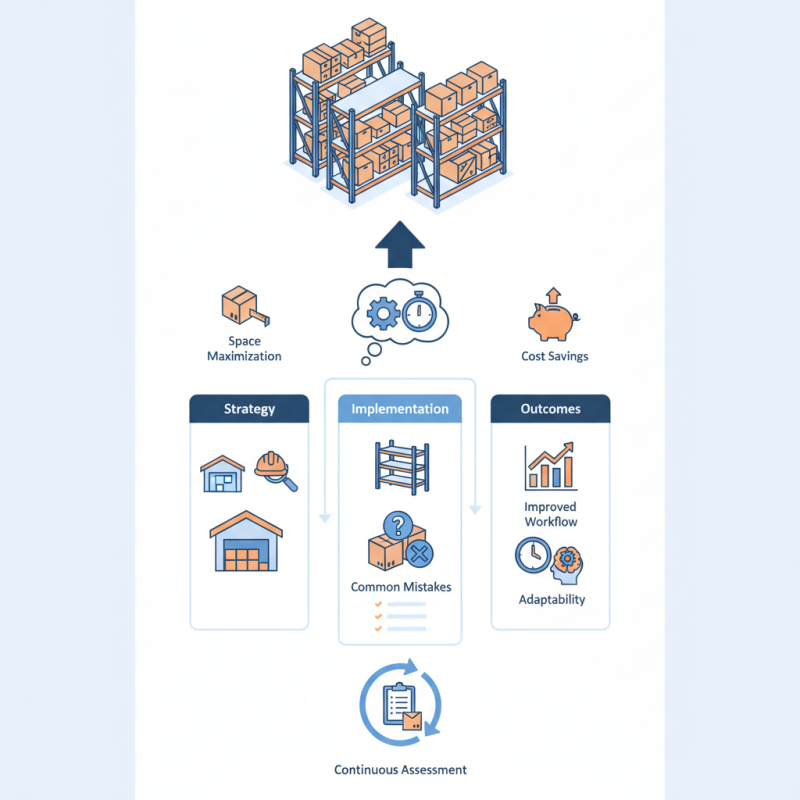
In today's competitive market, businesses must find innovative ways to maximize their space. Storage density is critical for efficiency and cost savings. “Optimize Storage Density Using Effective Racking Solutions” is not just a buzzword; it's a strategy that industry leaders, like John Thompson, advocate for. He states, “The right racking system is essential for unlocking the full potential of your warehouse.”

Racking solutions can transform how businesses utilize their space. By analyzing specific needs, companies can implement tailored systems. However, many businesses struggle to identify the best options. Common mistakes include underestimating space or overcomplicating arrangements. It's essential to recognize these issues to avoid wasted investment and frustration.

Effective racking solutions do not merely increase storage capacity; they improve workflow. Efficient access to stored goods reduces retrieval time. Even so, businesses must remain vigilant. Regular assessments ensure that the racking systems adapt to changing needs. Balancing efficiency and adaptability is crucial for long-term success, reinforcing the importance of optimizing storage density.
Optimize Storage Density with Racking Solutions for Your Business?

Understanding Storage Density and Its Importance for Businesses

Understanding storage density is crucial for businesses seeking efficiency. High storage density minimizes wasted space and reduces costs. It also improves accessibility to inventory. When products are stored in a well-organized manner, retrieval becomes faster, enhancing operational productivity.

To optimize storage density, consider implementing vertical racking systems. These systems utilize vertical space effectively. They can accommodate various product sizes and increase overall storage capacity. Another tip is to categorize items by frequency of use. Place fast-moving items at eye level and slower items higher up. This layout minimizes the time employees spend looking for products.

However, it’s essential to evaluate your current storage methods continuously. Some businesses may overlook their actual needs as products and demands change. Regularly auditing your storage space can reveal inefficiencies. Assess whether you are utilizing all available space effectively. This reflection can lead to significant improvements over time.

Types of Racking Solutions: A Comprehensive Overview

When considering racking solutions for your business, it's essential to understand the types available. Each type serves distinct needs. Adjustable pallet racks are versatile. They adapt to various load sizes. Drive-in racks maximize space by allowing forklifts to drive directly into the racks. This configuration increases storage density significantly.

Consider the specific needs of your operation. Select a racking system that aligns with your inventory turnover and product type. Some racking systems may be too rigid for changing requirements. Regularly reassess your storage strategy. It helps ensure your setup remains efficient and effective.

**Tips:** Regular maintenance is key. Inspect racking systems for stability. Over time, wear and tear can lead to efficiency losses. Proper training for staff on the use of racking can prevent accidents. Always prioritize safety when selecting a solution. Ill-designed racking can create hazards. Engage in careful planning to avoid these pitfalls.

Evaluating Your Space: Assessing Storage Needs and Constraints

When evaluating your space for optimal storage density, it's crucial to understand your specific storage needs. According to a report by the Warehousing Education and Research Council, 66% of warehouses lack effective space utilization. This often results in inefficiencies and increased costs. Assessing the limitations of your current setup can reveal opportunities to enhance your storage strategy.

Consider conducting a thorough inventory analysis. The findings may surprise you. A recent study estimated that up to 30% of stored items are rarely accessed, leading to wasted space. By identifying slow-moving inventory, you can free up valuable square footage. It’s also important to review your shelving and racking systems. A poorly designed layout can lead to obstacles in retrieving products, further complicating processes.

Your workforce's input is vital. Employees working in the storage area can provide insights about the flow of goods and potential bottlenecks. Understand that what works in one operation may not fit another. Customizing your storage solutions is essential, even if it means trial and error. Don’t be afraid to reposition or reorganize frequently. Regularly revisiting your storage layout ensures you adapt to changing needs and achieve maximum efficiency.

Implementing Racking Solutions: Planning and Design Considerations

When planning racking solutions, several design considerations must be addressed. Assessing your space accurately can lead to better storage density. Data from the Warehousing Education and Research Council highlights that 30% of warehouse space is underutilized. Optimizing layout can drastically improve efficiency.

Safety is vital in racking design. Each rack system must comply with local safety regulations and guidelines. This ensures the protection of staff and inventory. A study from the Occupational Safety and Health Administration (OSHA) notes that nearly 10% of workplace injuries occur in warehouses. Therefore, considering safety during the planning phase is essential.

Flexibility in racking systems is another crucial aspect. Businesses evolve, and so do storage needs. Companies should consider adjustable racking solutions to adapt to changing inventory types and volumes. A report from the Material Handling Industry suggests that flexible racking can improve storage capacity by up to 25%. This adaptability can prevent future overhauls and associated costs.

Optimize Storage Density with Racking Solutions

Maximizing Efficiency: Best Practices for Racking System Management

Efficient racking systems can significantly boost your business's storage capabilities. Proper management practices are essential for maximizing efficiency. Start by assessing your current layouts. Identify underutilized spaces and workloads. Consider the flow of operations. A well-organized racking system ensures easy access to products, reducing time spent searching.

Training staff on racking best practices is also crucial. Regularly review employee engagement with the system. Feedback can reveal unexpected issues. In addition, keeping accurate inventory records can highlight trends and usage rates. A flexible approach allows you to adjust quickly to changing demands.

Remember, not all systems fit every business. Evaluate your specific needs carefully. Explore options and collect insights from various sources. Sometimes, an initial investment may seem daunting. Reflecting on long-term gains can be transformative. Balancing storage density with operational efficiency requires ongoing adjustments. Be prepared to revisit and refine your strategies regularly.

Optimize Storage Density with Racking Solutions for Your Business

Racking Type Height (ft) Load Capacity (lbs) Number of Pallets Efficiency Rating (1-10)
Selective Racking 12 3,000 100 7
Drive-in Racking 15 4,000 80 8
Push Back Racking 14 3,500 90 9
Mobile Racking 10 2,500 70 9
Cantilever Racking 16 5,000 50 6

FAQS

: Why is understanding storage density important for businesses?

: It minimizes wasted space, reduces costs, and improves inventory accessibility.

How can vertical racking systems help optimize storage?

They use vertical space effectively and can hold various product sizes to increase capacity.

What layout strategy improves retrieval times?

Place fast-moving items at eye level and slower ones higher up.

How often should businesses assess their storage methods?

Continuously evaluating storage needs is crucial, especially as product demands change.

What percentage of warehouses fail to utilize space effectively?

About 66% of warehouses experience ineffective space utilization.

What can be done with slow-moving inventory?

Identifying these items can help free up valuable storage space.

Why is employee feedback important in storage evaluation?

Employees can provide insights about product flow and identify bottlenecks.

What risks come with a poorly designed storage layout?

It can create obstacles, complicating the retrieval process and slowing operations.

Should storage solutions be customized?

Yes, customization is essential, even if trial and error is required.

What can happen if storage layouts aren't regularly revisited?

Companies may miss opportunities for improvements and fail to adapt to changes.

Conclusion

Optimizing storage density is crucial for businesses looking to enhance their operational efficiency and space utilization. By understanding the importance of storage density, companies can explore a variety of racking solutions tailored to their specific needs. This includes evaluating the available space, assessing storage requirements, and considering design factors that best fit their operations.

Effective planning and implementation of racking systems can significantly maximize efficiency. Businesses are encouraged to adopt best practices in racking system management to ensure that they not only optimize storage density using effective racking solutions but also streamline their inventory processes and improve overall productivity.

Amelia

Amelia

Amelia is a seasoned marketing professional with a wealth of expertise in our company’s core offerings. With an unwavering passion for driving growth and innovation, she plays a pivotal role in shaping our marketing strategies and enhancing brand visibility. A key aspect of her responsibilities......