Optimize Warehouse Efficiency With Smart Racking Layout Tips?

Time:2026-03-04 Author:Liam
0%

Efficient racking layouts are crucial for modern warehouses. A well-structured warehouse saves time and reduces errors. An optimized space boosts productivity and enhances overall performance. To enhance warehouse operational efficiency through racking layout, organizations must pay attention to various factors.

Properly designed racking can maximize space utilization. For example, adjustable racks provide flexibility for different products. When products are easy to access, it reduces the time spent locating items. However, not all warehouses implement the best practices. Poorly planned racking may lead to confusion and delays.

Moreover, considering the flow of goods is vital. Ensuring a logical pathway for moving items creates an efficient workflow. Sometimes, it's easy to overlook how a simple change can improve operations. By evolving racking strategies, warehouses can keep pace with growing demands. Evaluating current layouts should be a continuous practice to meet changing needs.
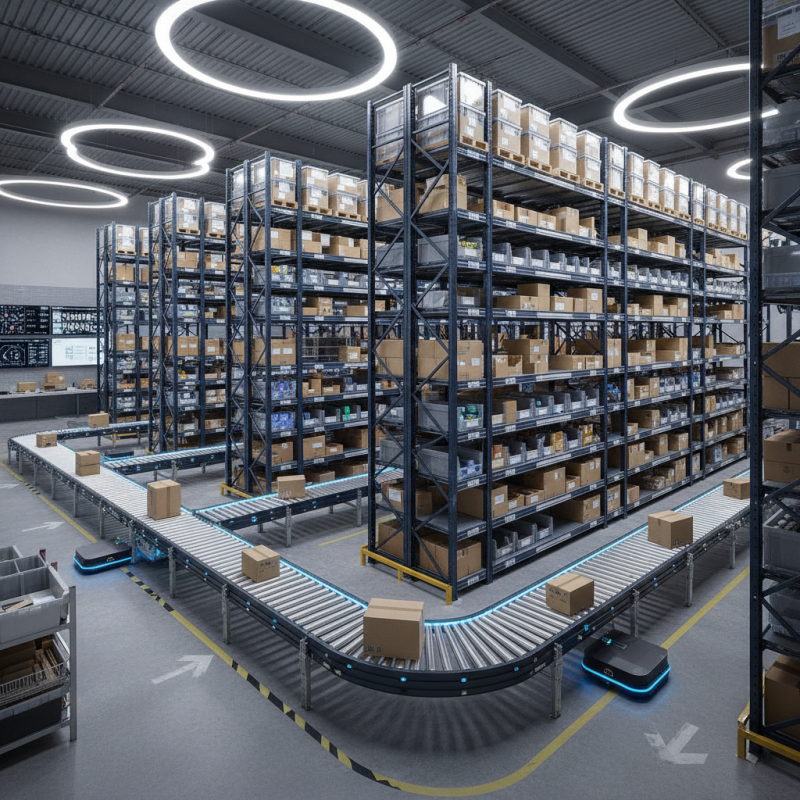
Optimize Warehouse Efficiency With Smart Racking Layout Tips?

Understanding the Importance of Efficient Warehouse Racking Layout

Efficient warehouse racking layout is crucial for optimizing operations. A well-planned layout minimizes travel time for staff. This reduces the chances of errors when picking and storing items. When the structure is poorly designed, delays occur. Workers may struggle to locate goods quickly, leading to frustration.

Choosing the right racks is essential. Different products require specific types of shelving. Pallets need ample horizontal space, while smaller items do better on vertical shelves. If these considerations are overlooked, it can lead to wasted space. An overcrowded warehouse is just as ineffective as an empty one.

Regularly reviewing the racking system is equally important. What worked last year may not fit current needs. Seasonal changes in inventory can necessitate layout adjustments. It’s easy to stick with an outdated system, but this can hamper efficiency. Engaging staff feedback can uncover areas needing improvement. Ultimately, the goal is to streamline operations and enhance productivity.

Analyzing Different Types of Racking Systems for Warehouse Optimization

When it comes to optimizing warehouse efficiency, the choice of racking system plays a crucial role. Different types of racking systems serve various purposes. Selective racking is widely used; it offers easy access to products. However, it may not utilize space effectively. Pallet flow racking, on the other hand, enhances storage density. It relies on gravity, allowing pallets to flow toward the front. This system can boost turnover rates but might require more maintenance.

Tips for choosing the right racking system include assessing your specific storage needs. Consider the types of goods you handle. Heavy items may need adjustable racking systems. Additionally, think about future growth. If you expect an increase in inventory, invest in modular racking. This allows for flexibility and adaptability.

Evaluate your warehouse layout regularly. Changes in workflow or product ranges can impact efficiency. It's essential to revisit your racking configuration after alterations. A well-organized warehouse not only saves time but also reduces errors. Sometimes, less is more; avoid overcrowding your racking systems. Clutter leads to confusion and inefficiency.

Key Factors to Consider in Designing a Smart Racking Layout

When designing a smart racking layout, it's crucial to consider space optimization. The arrangement of racks should promote easy access to items. Aisles should be wide enough for forklifts. This prevents accidents and saves time. Think about the types of products you store. Heavy items should be placed lower. This improves safety and simplifies retrieval.

Another factor to keep in mind is the flow of goods. Products with high turnover should be easily accessible. Group similar items together to streamline picking. This reduces travel time for workers. Additionally, always evaluate your layout. What worked last year may not work this year. Regular assessments can reveal inefficiencies. Are there areas too crowded? Or, perhaps there are dead zones that are underutilized?

Technology can aid in optimizing your layout. Automated systems can track inventory. They help in reorganizing layouts as needs change. Yet, adapting to these technologies can be challenging. Not all staff may be comfortable with new systems. Training can help, but it takes time. Finding a balance between tech and human input is essential. Keep testing and adjusting until you find what works best.

Warehouse Efficiency Analysis: Smart Racking Layout

This bar chart illustrates the efficiency scores of various racking types within a warehouse setting. A well-optimized racking layout can significantly enhance storage capacity and retrieval efficiency.

Implementing Technology and Tools to Enhance Racking Efficiency

Implementing technology in warehouse operations can dramatically enhance racking efficiency. A recent report by the Warehouse Management Institute shows that optimized layout designs can boost storage capacity by 15% to 30%. Using automated systems like RFID tracking and smart sensors helps in organizing inventory more effectively. With real-time data, warehouses can adapt to fluctuating demands, minimizing wasted space.

However, there are challenges. Many warehouses still rely on outdated systems. Around 40% of operators struggle with inaccurate inventory counts. This leads to confusion and inefficiency, costing businesses time and money. Integrating tools like dynamically racking systems can alleviate some of these issues, but they require proper training and implementation.

Regular audits are essential for maintaining efficiency. A study indicated that continuous monitoring increased operational performance by 22%. It’s clear that the right technology can aid in rethinking racking strategies. But, without a commitment to ongoing improvement, even the best systems could fall short of their potential. Adapting to new technologies is not always straightforward, but the results can redefine warehouse productivity.

Best Practices for Regular Assessment and Adjustment of Warehouse Layout

Regular assessment and adjustment of warehouse layout is crucial for optimizing efficiency. Each area of your warehouse should be regularly evaluated. This helps identify any bottlenecks or underutilized spaces. Monitoring the flow of goods must be a priority. Aim for a layout that facilitates easy access to high-turnover items.

Tips for a smart racking layout include grouping similar products. This reduces the time spent searching for items. Ensure that frequently picked items are positioned at waist height. It minimizes bending and reaching, making work more ergonomic. There’s often a temptation to stick with a layout that seems efficient. However, it may not always meet evolving needs. Be open to changes based on seasonal demand or inventory shifts.

Another important aspect is the layout's adaptability. Consider seasonal changes and emerging trends. Warehouse design is not a one-time effort. It should evolve as your business grows. Regularly involve staff in providing feedback about layout efficiency. Their firsthand experience can lead to insightful adjustments. Keeping a flexible mindset will enhance overall productivity.

FAQS

: What is the main purpose of the product?

: The product is designed to enhance daily life. It simplifies tasks and improves efficiency.

Who can use this product?

Anyone can use it. It is suitable for different age groups and skill levels.

How do I use the product?

Follow the included instructions. It usually requires minimal setup and is user-friendly.

What should I do if it doesn’t work?

Check the manual for troubleshooting tips. Sometimes, a simple reset helps resolve issues.

Is there a warranty or guarantee?

Yes, a limited warranty is provided. It covers defects in materials or workmanship for a specific period.

Can I return the product if I don’t like it?

Yes, returns are allowed within a certain timeframe. Ensure it’s in its original condition.

Are there any special maintenance needs?

Regular cleaning is necessary. Dust and debris can affect performance over time.

Can I get support if I need help?

Customer support is available via various channels. Email or phone support is generally offered.

Is the product energy-efficient?

Yes, it is designed to consume less energy. This can help lower utility costs over time.

What if I have additional questions?

Feel free to reach out. They appreciate feedback and are willing to assist with inquiries.

Conclusion

The article "Optimize Warehouse Efficiency With Smart Racking Layout Tips" delves into the significance of an efficient racking layout in warehouses. It begins by outlining how a well-planned racking system can significantly enhance warehouse operational efficiency through improved space utilization and streamlined workflows. The discussion includes an analysis of various racking systems, highlighting their unique advantages for optimization.

Moreover, the article emphasizes key factors for designing a smart racking layout, such as accessibility, inventory turnover rates, and safety considerations. It also explores the integration of technology and modern tools that can further enhance warehouse operational efficiency through racking layout. Finally, best practices for regular assessment and adjustments of the warehouse layout are discussed, ensuring adaptability to changing inventory needs and continuous improvement in operational performance.

Liam

Liam

Liam is a dedicated marketing professional with a profound expertise in the industry, where he excels at highlighting the unique advantages of our core products. With a keen understanding of market trends and consumer needs, Liam frequently updates our company’s professional blog, providing......