7 Tips for Faster Loading and Unloading With Racking

Time:2026-10-11 Author:Ethan
0%

Fast loading and unloading depend on more than forklift speed. The rack layout, pallet condition, aisle width, and staging area all influence each movement. When one pallet blocks a travel path, several minutes can disappear. Small delays multiply.

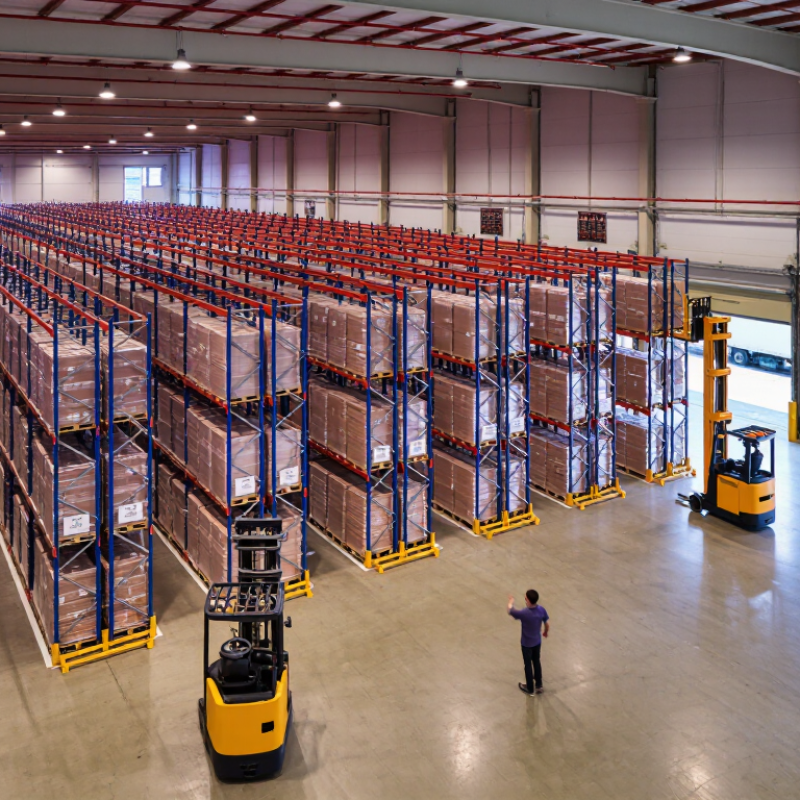
Improve Loading and Unloading Efficiency Using Racking Systems by matching storage design with daily handling patterns. High-turnover goods should remain near dispatch doors. Clearly labeled rack positions reduce searching and prevent misplaced pallets. Selective pallet racking can provide direct access, while drive-in systems may suit stable, high-volume products. The best choice depends on inventory rotation, pallet dimensions, and equipment limits.

This guide shares seven practical tips for faster, safer warehouse workflows. It considers slotting, load sequencing, staging discipline, forklift routes, and routine rack inspections. Operators should follow manufacturer load ratings and applicable workplace safety requirements. Clear communication also matters during blind-spot movements and peak delivery periods.

Measure the real process. Track dock-to-rack time, retrieval delays, and congestion points. Photos of crowded aisles can reveal problems that spreadsheets miss. Yet no layout works perfectly forever. Seasonal demand, new packaging, or one unusual shipment can expose a weak assumption. Review the system regularly, and adjust it carefully.

Speed should never depend on rushed driving or overloaded beams. A stable rack, visible label, and open aisle create measurable gains. The goal is simple: move each pallet efficiently, safely, and with fewer unnecessary touches.
7 Tips for Faster Loading and Unloading With Racking

Assess Warehouse Flow and Racking Layout Before Handling Loads

7 Tips for Faster Loading and Unloading With Racking

Before moving a single pallet, walk the warehouse during its busiest hour. Observe how people, forklifts, and loads actually travel. Mark receiving doors, staging zones, packing areas, and dispatch lanes on a simple floor plan. Measure turning space around rack ends and note where queues form. A quiet aisle can become a serious bottleneck at 4 p.m.

Shorter travel matters.

I once helped position fast-moving cartons beside receiving because the distance looked efficient. The assumption was wrong. Those cartons blocked incoming pallets during peak deliveries. We later moved them closer to dispatch and created a separate staging lane. The change reduced crossing traffic and made loading more predictable. Rack locations should follow real order frequency, not only available floor space. Keep heavy loads at practical heights, and preserve clear access to emergency equipment and walkways.

Before handling loads, test each route with empty equipment. Record travel time, turning points, waiting areas, and repeated reversals. Check rack load ratings, beam heights, floor condition, and clearance before approving the arrangement. Separate pedestrian movement from equipment routes with visible markings and physical controls where needed. Small conflicts matter. Review the layout with operators, because they notice awkward reaches and blind corners quickly. Our first plan still missed one staging conflict, which shows why a short trial should come before permanent installation.

Organize Rack Locations for Faster Picking and Put-Away

A well-organized rack location system can shorten every picking and put-away trip. Start by giving each position a clear address, such as A-03-02. Place large labels at eye level. Use matching location codes in digital records and on rack beams. Confusing labels create silent delays.

Review order history before assigning products. Keep fast-moving items near packing or dispatch areas. Store them between waist and shoulder height when possible. Place heavy cartons on lower levels. Keep fragile products away from crowded travel lanes. Separate similar-looking items, especially products with different sizes or quantities. A small visual difference can cause a costly picking error.

Keep reserve stock directly above or behind its picking face. This arrangement makes replenishment shorter and easier to control. Mark empty, damaged, or blocked locations immediately. A simple scan check can confirm the item and location before movement. Keep aisles clear enough for equipment and people to pass safely. Test the route during a busy shift, not only during a quiet inspection. The best layout on paper may fail under pressure. Review mispicks and long travel times every week. Move locations only after checking real activity. I have seen teams change a rack map too quickly, then create more confusion. A short trial period often reveals what the original plan missed.

Standardize Loading and Unloading Sequences for Every Shipment

7 Tips for Faster Loading and Unloading With Racking

Standardize Loading and Unloading Sequences for Every Shipment

A repeatable dock routine removes guesswork from every shipment. Use seven checkpoints: confirm the appointment, inspect the dock, stage goods by route, scan each pallet, load by delivery order, secure the load, and record the handoff. The last delivery should enter first and sit deepest inside the trailer. The first delivery stays closest to the doors. This simple rule reduces reshuffling around racking. Small detail, big difference.

OSHA estimates that powered industrial trucks cause about 35,000 serious injuries and 62,000 other injuries annually in the United States. A fixed sequence helps separate people, equipment, and moving loads. WERC’s DC Measures report identifies order accuracy, dock-to-stock time, and on-time shipping as key warehouse metrics. Record start and finish times for each task. Compare planned minutes with actual minutes. If a pallet waits beside a rack, note why. Do not hide the delay.

Use floor markings and a visible loading map. The dock lead should call each checkpoint aloud. The loader confirms the scan before moving the pallet. The driver checks the seal and shipment count before departure. I would audit five shipments each week, not every shipment. That keeps the review practical. Sometimes the standard is wrong. Change it with evidence, then train the new pattern immediately.

7 Tips for Faster Loading and Unloading With Racking - Standardize Loading and Unloading Sequences for Every Shipment

A practical operating table for improving dock productivity, reducing handling delays, and maintaining safe rack-based shipment flow.

Tip Standardized Loading / Unloading Sequence Required Action Primary Data Dimension Recommended Operating Target Expected Operational Benefit Safety and Quality Check
1 Pre-stage shipment units before the vehicle reaches the dock Confirm the shipment list, assign rack locations, group pallets by route or delivery stop, and move ready units to the designated staging lane. Pre-staging completion rate At least 95% ready before dock arrival Reduces forklift travel, search time, and vehicle waiting time. Keep staging lanes marked, clear, and separated from pedestrian walkways.
2 Load the last delivery stop first and the first stop last Build the load in reverse delivery order so the first required shipment is accessible without unnecessary unloading. Shipment accessibility 100% of delivery-stop sequence followed Prevents re-handling and avoids unloading correctly placed freight to reach earlier stops. Verify labels, destination codes, and pallet stability before loading each section.
3 Use fixed rack locations for recurring shipment profiles Reserve clearly labeled rack positions for common pallet sizes, temperature requirements, handling classes, or route groups. Location accuracy At least 98% correct location scans Shortens product searches and makes replenishment and retrieval more predictable. Observe rack load limits, beam clearances, and posted storage height requirements.
4 Apply a scan-confirm-move sequence for every handling step Scan the shipment identifier, confirm the assigned rack or dock position, then move the unit only after the system or checklist confirms the destination. Scan compliance At least 99% scan completion Reduces misloads, misplaced pallets, and manual reconciliation after dispatch. Stop and resolve unreadable labels or mismatched records before movement continues.
5 Load heavy and stable units first, then fill the remaining rack or vehicle positions Place heavier pallets low and toward the appropriate load-supporting area; use lighter and less dense units for upper or remaining positions. Load stability Zero over-capacity placements Improves vehicle balance, reduces product damage, and supports safer forklift handling. Check weight distribution, pallet condition, wrapping, blocking, and restraint requirements.
6 Separate loading and unloading responsibilities by clear role Assign one person to verify shipment information, one operator to handle equipment, and one dock coordinator when volume or risk requires it. Role compliance 100% of shifts briefed before work begins Limits duplicated movements, communication gaps, and avoidable waiting between tasks. Only trained and authorized personnel may operate powered material-handling equipment.
7 Close every shipment with a final dock-to-document check Compare the loaded units with the shipment record, confirm the rack and dock areas are clear, and record exceptions before vehicle departure. Dispatch accuracy At least 99.5% shipment accuracy Prevents late corrections, customer delivery errors, and repeated handling after dispatch. Document damage, shortages, overages, seal status, and unresolved exceptions before release.

Suggested review frequency: measure these indicators by shift, shipment type, and dock so that sequence deviations and recurring delays can be corrected promptly.

Use Proper Equipment to Move Pallets Safely and Efficiently

Fast loading starts with the right equipment, not extra speed. Match the forklift or pallet jack to the pallet weight, size, and travel distance. Check the rated capacity before every shift. A machine that feels powerful may still be unsuitable for a tall or uneven load. Keep forks fully under the pallet, and adjust them evenly.

Use stable pallets, secure loose cartons, and keep the heaviest items at the bottom. Inspect wheels, forks, brakes, and warning signals before moving anything. Clear the aisle of wrap, broken boards, and standing water. At the loading dock, confirm that the dock plate sits flat and supports the equipment safely. Move slowly across gaps. Never carry a load that blocks your view; travel in reverse or use a trained spotter.

I once saw a team rush a narrow turn and tilt a pallet slightly. Nothing fell, but the warning was clear. Small errors grow quickly around racking. Keep loads centered, leave safe clearance from uprights, and place pallets squarely on beams. Use visible floor markings and agreed hand signals. Operators need practical training, not only written instructions. Even experienced workers can miss a damaged pallet during a busy shift. Stop when conditions change. Efficient handling should reduce pauses, not remove careful decisions.

Track Performance and Improve Racking Operations Continuously

Faster loading and unloading begins with measurement, not guesswork. Record arrival time, dock assignment, first pallet moved, final pallet removed, and departure time. Review these timestamps by shift, rack zone, load type, and operator team. A dashboard should show waiting minutes, touches per pallet, misplacements, and equipment downtime. Keep it visible near the dispatch desk.

The 2024 Annual Industry Report from the Material Handling Institute found that 88% of supply chain professionals expected to increase technology investment within two years. That investment only matters when it improves a measured process. Compare weekly results against targets, such as fewer than ten minutes of dock waiting or one scan per pallet movement. Use barcode scans, location checks, and short supervisor observations. Small gaps often hide behind acceptable daily totals.

Change one condition at a time. Move fast-moving pallets closer to dock doors, then compare loading duration for two weeks. Check whether this reduces travel or creates congestion. Our first dashboard was too crowded. It slowed decisions instead of helping them. Remove metrics nobody uses. The 2023 Warehousing Vision Study reported that 76% of warehouse decision-makers expected greater reliance on real-time visibility. Visibility still needs disciplined review. When damage, delays, or repeated re-handling appears, investigate the rack layout and work sequence before blaming people. Document the adjustment, retain the old result, and test again. Performance tracking is useful only when the next shift can act on it.

7 Tips for Faster Loading and Unloading With Racking

Track Performance and Improve Racking Operations Continuously

This operational KPI view compares average dock handling time per truck before and after common racking improvements. Tracking cycle time, slotting accuracy, staging discipline, equipment readiness, and scan compliance helps warehouse teams identify delays and continuously improve loading and unloading performance.

FAQS

How should a warehouse layout be assessed before moving pallets?

Walk through the warehouse during its busiest hour. Mark receiving doors, staging zones, packing areas, and dispatch lanes. Measure turning space around rack ends. A quiet aisle may become crowded at 4 p.m.

Where should fast-moving goods be placed?

Place them according to real order frequency and traffic patterns. Goods near receiving may block incoming pallets. Moving them closer to dispatch can reduce crossing traffic. Floor space alone is not enough.

What should be tested before approving a racking arrangement?

Test every route with empty equipment. Record travel time, turning points, waiting areas, and repeated reversals. Check rack ratings, beam heights, floor conditions, and clearances. A short trial can reveal hidden conflicts.

How can pedestrian and equipment routes be separated?

Use clear floor markings and physical controls where necessary. Keep walkways and emergency equipment accessible. Review the plan with operators. They often notice blind corners and awkward reaches quickly.

What loading sequence reduces unnecessary pallet reshuffling?

Confirm the appointment, inspect the dock, stage goods by route, and scan each pallet. Load the final delivery deepest inside. Keep the first delivery nearest the doors. Small detail, big difference.

Which warehouse activities should be recorded during loading?

Record the start and finish time for each task. Note why a pallet waits beside a rack. Track shipment counts, scans, seals, and handoffs. Do not hide delays. They show where the process needs attention.

How should equipment be matched to a pallet?

Match the forklift or pallet jack to the pallet’s weight, size, and travel distance. Check rated capacity before each shift. Keep forks fully underneath. Adjust them evenly. Powerful equipment can still be unsuitable.

What checks improve pallet movement safety?

Inspect wheels, forks, brakes, warning signals, pallets, and dock plates. Remove wrap, broken boards, and standing water. Keep loads centered and below the operator’s safe view. Stop when conditions change.

What should happen when the standard loading process fails?

Review the evidence instead of defending the old method. Our first layout missed a staging conflict. A weekly review of five shipments can expose repeated problems. Change the process, then train the new pattern quickly.

Conclusion

Improve Loading and Unloading Efficiency Using Racking Systems by creating a warehouse flow that supports safe, predictable movement from receiving to storage and shipping. Before handling loads, review traffic patterns, rack placement, staging areas, and access points to reduce congestion and unnecessary travel. Organize rack locations according to product demand, size, weight, and shipping frequency so workers can complete picking and put-away tasks more quickly. Clear labels and consistent location rules also help prevent delays and errors.

A standardized loading and unloading sequence ensures that every shipment is handled in the same logical order. Use suitable pallet-handling equipment, inspect it regularly, and train operators to move loads safely and efficiently. Finally, track cycle times, travel distances, loading accuracy, equipment use, and safety results. Reviewing this information regularly allows the warehouse team to identify bottlenecks, adjust the racking layout, refine procedures, and continuously improve overall performance.

Ethan

Ethan

Ethan is a seasoned marketing professional with a deep expertise in our company's innovative product line. With a passion for sharing knowledge and insights, he takes the lead in regularly updating our corporate blog, where he explores industry trends, product features, and effective marketing......