In today’s fast-paced supply chain environment, effective warehouse management is crucial. A well-organized warehouse can significantly boost productivity. One of the most impactful strategies is to reduce warehouse congestion with effective racking layouts.
Choosing the right racking system is essential. It directly affects space utilization, safety, and accessibility. For example, a well-planned layout can enhance the flow of goods. However, many warehouses still struggle with congestion. Inefficient layouts often lead to delays and increased operational costs. A thoughtful evaluation of racking configurations can transform a chaotic space into an efficient one.
Ultimately, the right layout not only improves the workflow but also promotes a safer working environment. A well-organized racking system allows employees to navigate the warehouse with ease. Yet, choosing the right design requires careful consideration. The most effective layouts might not always be immediately apparent; experimentation may lead to more efficient solutions. Achieving an optimal racking setup is a journey, not a destination.
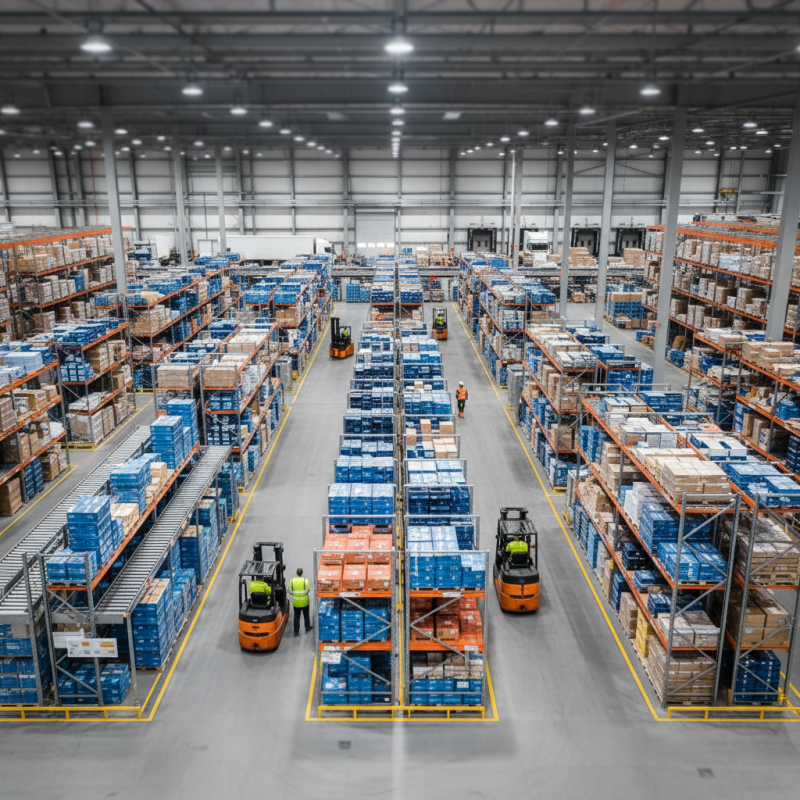
Effective utilization of vertical space in warehouse racking systems can significantly reduce congestion. According to a 2023 industry report, optimal space management can yield a 30% increase in storage efficiency. Many warehouses fail to capitalize on their vertical potential. Ignoring this aspect leads to wasted space and reduced productivity.
Racking systems like pallet racks and shelving units allow warehouses to stack goods higher. This vertical strategy can transform a cluttered space into an organized environment. Experts recommend considering beam levels and adjustable racks. Using adjustable racks allows for flexibility as inventory needs change.
Tips: Ensure safety measures are in place. Overstacking can create hazards. Regular inspections help maintain rack integrity. Encouraging employees to report concerns fosters a safer workspace. Use vertical lift modules for efficient retrieval processes. They can reduce time spent searching for items. Tracking software can also streamline inventory management. Implementing these strategies can create a more efficient warehouse.
Choosing the right racking type can significantly impact warehouse efficiency. Different inventory needs demand specialized layouts. Understanding these needs helps reduce congestion and streamline operations.
When considering a racking system, assess the types of products stored. Pallet racking is excellent for bulk items, but it may not suit smaller goods. Explore shelving or push-back systems for diverse inventory. Flexibility is important; a fixed layout might not accommodate seasonal changes.
Here are some tips to remember:
Efficient warehouse operations hinge on reducing congestion. Implementing dynamic racking solutions is essential. These systems adapt to varying inventory levels and types. By using adjustable shelves, warehouses can maximize vertical space. This leads to improved accessibility and reduced time spent searching for items.
Traditional static shelving often limits flexibility. Space becomes wasted as inventory levels fluctuate. Dynamic racking allows for quick re-configuration. This not only enhances organization but also increases overall throughput. Staff can quickly locate items, reducing picking time. It's beneficial for seasonal peaks in demand as well.
However, not all dynamic solutions fit every warehouse. Evaluating the specific needs is crucial. Some may require heavier-duty racks, while others benefit from lighter models. Regular assessments help strike the right balance. Adopting a one-size-fits-all mentality may lead to inefficiencies. Continuous adjustments are necessary to maintain optimal performance. Embracing flexibility fosters a more responsive warehouse environment.
This chart illustrates the space utilization percentages of various racking layouts used in warehouses. Efficient racking solutions are essential for reducing congestion and enhancing warehouse operations.
Designing wide aisles is essential for improving traffic flow in warehouses. Narrow paths often lead to congestion, making it hard for workers and equipment to move. Wider aisles enhance visibility and reduce accidents. This layout also allows for larger equipment, like forklifts, to operate more efficiently. With a proper design, you minimize delays and streamline operations.
When planning aisle widths, consider the type of traffic. Heavy machinery may require wider spaces than manual carts. Aisles that are at least 10 feet wide allow for safe passage. It’s crucial to observe workflow patterns and adjust accordingly. Regular evaluations help identify bottlenecks in the design.
**Tips for optimizing aisle designs:**
- Observe traffic trends. Make changes based on actual movement patterns.
- Use marked lines to guide vehicles and pedestrians. This can help prevent collisions.
- Test different layouts. Experimenting can uncover the best setup for your specific needs.
| Racking Layout | Advantages | Recommended Aisle Width | Best For |
|---|---|---|---|
| Selective Racking | High accessibility, easy to assemble | 10-12 feet | General storage |
| Drive-In Racking | Maximizes space, good for bulk storage | 8-10 feet | Palletized goods |
| Flow Racking | FIFO system, efficient picking | 8-10 feet | Fast-moving items |
| Push-Back Racking | High density, versatile | 10-12 feet | Multi-SKU handling |
| Cantilever Racking | Ideal for long items, flexible configuration | 12-15 feet | Lumber, pipes |
| Mobile Racking | Space-saving, adjustable access | 8-10 feet | High-density storage |
| High-Density Racking | Maximizes vertical space | 10-12 feet | Bulk items requiring multiple SKUs |
| Stack Racks | Portable, cost-effective | 8-10 feet | Seasonal items |
| Mezzanine Racking | Increases storage area without expanding footprint | 12-15 feet | Efficient use of vertical space |
| Vertical Racking | Maximizes vertical storage, minimal footprint | 8-10 feet | Limited floor space |
Integrating technology into warehouse racking layouts can significantly reduce congestion. According to the 2022 Warehouse Management Systems report, warehouses that use advanced technologies can boost storage efficiency by up to 30%. Utilizing automated storage and retrieval systems can improve space utilization, allowing for taller and denser racking systems. These systems often include sensors and software that track inventory in real-time, optimizing the use of available space.
Implementing data analytics is another key factor. Industry studies show that warehouses that analyze data on order patterns and stock levels experience a 20% reduction in pick times. By understanding these patterns, managers can adjust racking layouts to keep high-demand items easily accessible. This not only minimizes congestion but also enhances overall workflow efficiency. However, the shift to tech-driven solutions requires careful planning and staff training to avoid implementation pitfalls.
Moreover, it's crucial to address potential drawbacks. Not every technological solution suits all operations. A one-size-fits-all approach may lead to wasted resources and underutilized systems. Companies should assess their specific needs and capacities. Feedback from floor staff can help refine these systems, ensuring a more effective racking layout over time.
: Assess your products. Pallet racking suits bulk items, while shelving fits smaller goods.
Flexibility accommodates seasonal changes. Fixed layouts may lead to inefficiencies.
Evaluate inventory turnover rates. High turnover items need easy access for better workflow.
Dynamic racking adapts to inventory changes. It maximizes vertical space and improves accessibility.
No, each warehouse has unique needs. Regular assessments help tailor solutions.
Wide aisles improve traffic flow. They reduce congestion and enhance safety for workers and equipment.
Observe traffic patterns. Make adjustments based on actual movements to minimize bottlenecks.
Consider the type of traffic. Heavy machinery needs wider aisles for safe movement.
Regular reviews are essential. Unused space can lead to inefficiency over time.
Staff insights can identify usability issues. A system may look good but fail in practice.
To reduce warehouse congestion with effective racking layouts, businesses must capitalize on vertical space by utilizing high-density racking systems that accommodate diverse inventory types. This involves selecting the most suitable racking solutions tailored to specific storage needs, ensuring optimal use of available square footage.
Additionally, implementing dynamic racking solutions can significantly enhance operational efficiency by enabling quick access to frequently used items. Designing wider aisles is crucial for improving traffic flow and facilitating easy movement of personnel and equipment. Furthermore, integrating advanced technology into warehouse racking layouts promotes better inventory management and space optimization, ultimately leading to a more streamlined and productive warehouse environment.

Asia Racking