Top Safety Barriers for Protecting Work Zones and Pedestrians?

Time:2026-03-11 Author:Sienna
0%

In today’s fast-paced work environments, ensuring safety is paramount. Safety barriers play a crucial role in protecting both work zones and pedestrians. These barriers can prevent accidents and define safe spaces. Various types of safety barriers exist, each designed for specific scenarios.

From temporary plastic cones to sturdy concrete blocks, their effectiveness varies widely. Some barriers are easy to deploy but may lack durability. Others offer strength but can be cumbersome to move. Reflecting on these options, effectiveness and usability often clash. The best choice depends on the specific site conditions and needs.

Visibility is also essential. Brightly colored barriers attract attention, enhancing safety. However, well-placed signage must accompany them to provide clear instructions. Without proper understanding, even visible barriers can fail. Ultimately, selecting the right safety barriers requires careful consideration, balancing protection and practicality.
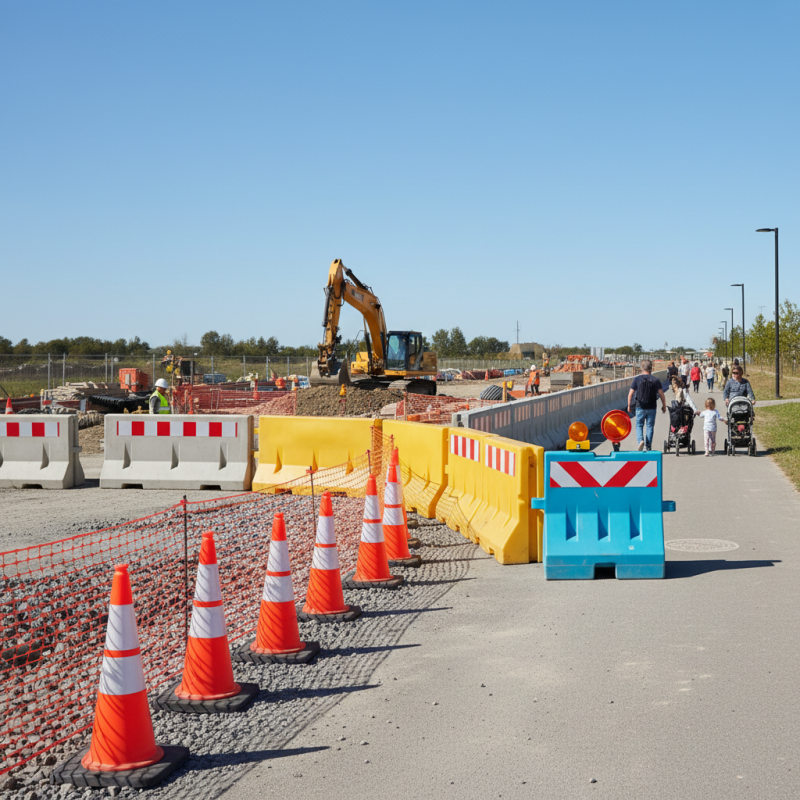
Top Safety Barriers for Protecting Work Zones and Pedestrians?

Top Characteristics of Effective Safety Barriers for Work Zones

When it comes to protecting work zones and pedestrians, effective safety barriers play a crucial role. The best safety barriers are highly visible. Bright colors and reflective materials can attract attention, reducing accidents. These barriers should be easy to deploy and relocate. Their lightweight design allows for quick setup and adjustments as work needs change. However, not all barriers offer the same level of stability.

It’s also important for safety barriers to withstand various weather conditions. Harsh climates can weaken some materials, making them less effective. A barrier that collapses in strong winds lacks reliability. Durability and resistance to corrosion should not be overlooked. Some barriers may become damaged over time, which compromises their protective capability. Regular inspections are needed to ensure they remain functional.

Customization adds to the effectiveness of safety barriers. Adjusting them according to specific site requirements enhances safety. But, it’s essential to balance flexibility with strength. Sometimes, barriers that are too flexible can be pushed over easily. Finding the right type of barrier may require some trial and error. Continuous evaluation and feedback from workers can lead to better choices in the future.

Top Safety Barriers for Protecting Work Zones and Pedestrians

Barrier Type Material Height (ft) Weight (lbs) Visibility Impact Resistance
Concrete Barrier Concrete 3-4 2000 High Excellent
Plastic Barrier Polyethylene 3 100 Medium Moderate
Steel Barrier Steel 4-5 1500 Very High Excellent
Folding Barrier Aluminum 2-3 75 Medium Low
Traffic Cone PVC 3 5 High Low

Statistics on Work Zone Accidents and the Need for Safety Measures

Work zones are often bustling with activity. Unfortunately, they can also be dangerous. Statistics show that accidents in these areas are on the rise. Over the past few years, work zone accidents have increased by nearly 20%. Many of these incidents involve pedestrians, who are especially vulnerable. The need for effective safety measures has never been more urgent.

Implementing proper safety barriers is crucial. They can protect workers and pedestrians alike. Brightly colored cones and barriers catch attention. Proper signage should clearly indicate detours and hazards. Workers deserve a safe environment. Likewise, pedestrians should feel secure passing through or near these zones.

Tips for enhancing safety include regular inspections of barriers. Ensure they are intact and visible. Use reflective materials to boost visibility at night. Educate workers and the public about staying safe around work zones. Simple communication can save lives. Remember, safety is everyone's responsibility. Being aware makes a difference. Always take the time to assess risks in work areas.

Top Safety Barriers for Protecting Work Zones and Pedestrians

This chart illustrates the effectiveness of various safety barriers in reducing work zone accidents. Concrete barriers are shown to be the most effective, followed by steel barriers. Understanding which safety measures work best can help improve pedestrian and worker safety in construction zones.

Comparative Analysis of Barrier Types: Concrete, Plastic, and Steel

When it comes to work zones and pedestrian safety, choosing the right barrier can make a significant difference. A comparative analysis reveals that concrete barriers offer unmatched durability. According to the National Highway Safety Administration, concrete barriers can reduce crash severity by up to 90%. Their robust nature withstands significant impacts, but their heavy weight also makes them difficult to relocate.

Plastic barriers, on the other hand, provide a lightweight alternative. They are often used for temporary setups and are easy to transport. However, reports state that they may not offer the same level of impact resistance as concrete. In fact, a study by the Transportation Research Board suggests that plastic barriers are only effective in lower-speed areas. The flexibility of these barriers can lead to underperformance in high-traffic zones.

Steel barriers combine the resilience of concrete and the adaptability of plastic. They can absorb impacts well and provide good visibility. Yet, they can rust and require regular maintenance, which can be a major drawback. A survey by the American Society of Civil Engineers indicated that 60% of construction accidents occur near inadequate barriers. Thus, while evaluating safety barriers, it's essential to consider the specific requirements of each work zone. The ideal choice varies depending on the area's conditions and potential risks.

Best Practices for Implementing Barriers to Protect Pedestrians

Implementing effective barriers in work zones is crucial for pedestrian safety. Visible and sturdy barriers can reduce the risk of accidents significantly. Bright colors and reflective surfaces grab attention, even in low-light conditions. Workers must focus on the placement of these barriers. It is essential to ensure they are clear of pathways used by pedestrians. Otherwise, injuries can occur due to negligence.


Regular checks are vital to maintain the integrity of barriers. Damage from weather or accidents can render them ineffective. It’s common to overlook wear and tear. Workers should be trained to identify potential hazards relating to barriers. An unexpected weak point can lead to serious incidents, especially in busy areas.


Additionally, barriers must adapt to changing environments. Static setups may not address evolving pedestrian traffic patterns. Flexibility in barrier design allows teams to respond quickly. Implementing temporary solutions where needed can help maintain safety standards. Reflection and adaptation are key to improving the barriers' effectiveness.

Regulatory Standards and Compliance for Safety Barriers in Construction

In construction zones, safety barriers play a crucial role. These barriers protect both workers and pedestrians. Various regulatory standards dictate their design and placement. Compliance with these standards is essential for ensuring safety. Local regulations often require specific height and visibility features. Barriers must also withstand environmental factors like wind and rain.

Some safety barriers are not always effective. For instance, poorly placed barriers can lead to confusion. Pedestrians might try to walk through, risking injury. Additionally, the materials used can impact durability. Many barriers are still subject to wear and tear. Regular inspections are necessary to identify potential vulnerabilities.

Understanding compliance is not just about following rules. It's about fostering a culture of safety. Construction sites often underestimate risks posed by surroundings. A more proactive approach could involve better training for workers. They need to recognize the importance of maintaining barriers. Awareness and adherence can save lives.

FAQS

: Why are work zones dangerous?

: Work zones are bustling with activity, increasing the risk of accidents. Statistics show a 20% rise in such incidents.

Who is most vulnerable in work zones?

Pedestrians are particularly vulnerable in work zones. They can easily be involved in accidents.

What safety measures should be in place?

Effective barriers, clear signage, and regular inspections are essential for safety. They protect both workers and pedestrians.

How important are barrier inspections?

Regular inspections ensure barriers remain intact and visible. Neglecting this can lead to serious accidents.

What type of barrier offers the best protection?

Concrete barriers provide unmatched durability. They can reduce crash severity by up to 90%.

Are plastic barriers effective in all situations?

Plastic barriers are lightweight and portable but may not withstand impacts in high-traffic zones.

What is a drawback of steel barriers?

Steel barriers can rust and need regular maintenance. This can be a significant downside for long-term use.

How can barriers adapt to changing conditions?

Barriers should be flexible to respond to evolving pedestrian traffic patterns. Static setups often fail to address new risks.

What is a common oversight regarding barriers?

Wear and tear on barriers is often overlooked. This can compromise their safety effectiveness.

Who is responsible for safety in work zones?

Safety is a shared responsibility. Everyone must be aware and proactive in assessing risks.

Conclusion

Effective safety barriers are crucial for protecting work zones and pedestrians, as they serve to minimize the risk of accidents in construction areas. Characteristics of successful safety barriers include durability, visibility, and ease of installation. With statistics highlighting a significant number of work zone accidents, the necessity for robust safety measures becomes evident.

A comparative analysis of barrier types such as concrete, plastic, and steel reveals varying levels of effectiveness in different environments. Best practices for deploying these barriers focus on strategic placement and adherence to regulatory standards, ensuring compliance and maximizing safety for both workers and pedestrians. By understanding and implementing these aspects, the use of safety barriers can significantly enhance the protection of vulnerable road users in active construction zones.

Sienna

Sienna

Sienna is a skilled marketing professional with a deep expertise in our company’s core products and services. With a passion for innovation and detail, she plays a pivotal role in crafting insightful blog posts that not only highlight the unique features of our offerings but also provide valuable......