In today's fast-paced logistics landscape, efficiency is paramount. The ability to "Upgrade Warehouse Management with Modern Racking Methods" can significantly enhance operational productivity. According to a 2022 report by the Warehousing Education and Research Council, effective warehouse management can reduce operational costs by up to 30%. This statistic underscores the importance of utilizing modern racking solutions.
Traditional storage methods often lead to wasted space and time. On average, warehouses can misplace around 20% of their inventory due to outdated systems. By implementing contemporary racking methods, such as pallet flow racks and vertical carousels, businesses can streamline processes. This not only optimizes space but also improves inventory accuracy.
However, it's essential to recognize that upgrading is not without its challenges. Transitioning to modern systems requires careful planning and staff training. Some companies may struggle with initial investments and disruptions during the transition phase. Nonetheless, the long-term benefits of adopting state-of-the-art racking methods often outweigh these temporary hurdles. Investing in these advancements is crucial for maintaining a competitive edge in the logistics industry.
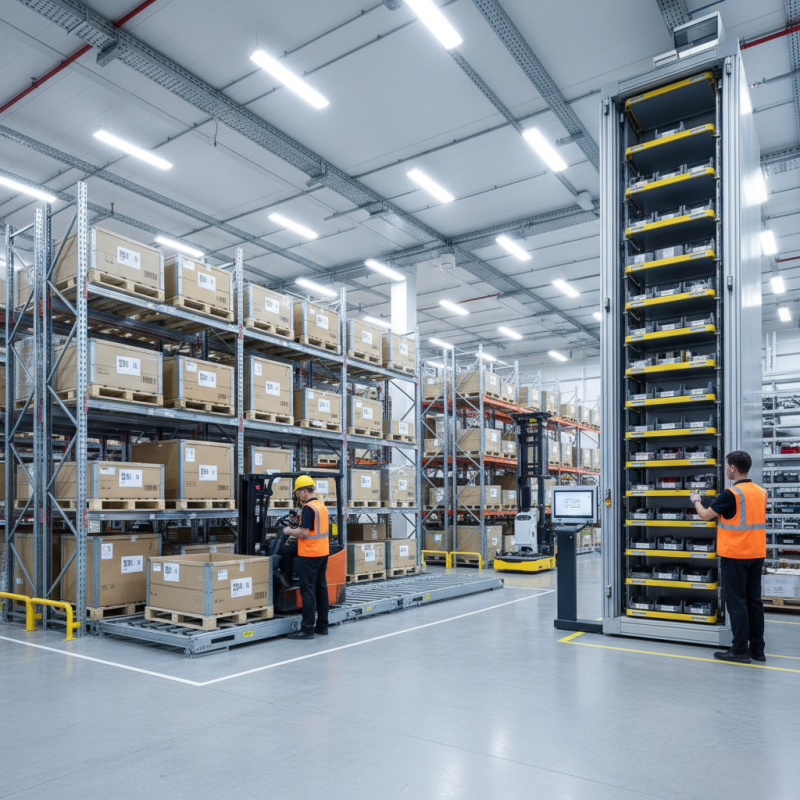
Modern racking methods play a crucial role in warehousing. They help optimize space, improve efficiency, and enhance safety. By using vertical space more effectively, companies can store more inventory without expanding their facilities. This is essential in today’s fast-paced environment, where demand can change rapidly. The right racking solutions ensure that goods are accessible and well-organized.
Implementing contemporary racking designs can present challenges. Choosing the right system for your inventory type is not always straightforward. For instance, selective racking is excellent for quick access but may waste space when dealing with numerous SKUs. On the other hand, drive-in systems maximize storage density but require careful management. Finding the balance between efficiency and accessibility is key.
Investing in employee training is another important aspect. Staff must be familiar with the selected racking methods to minimize errors. Moreover, regular audits can reveal issues with layout or safety. Continuous improvement should be a priority. Adapting to feedback and making necessary adjustments can prevent costly mistakes and improve overall operations.
| Racking Method | Advantages | Best Practices | Ideal Use Case |
|---|---|---|---|
| Selective Racking | Easy access to all pallets, cost-effective | Use for a wide variety of products | Distribution centers, retail warehouses |
| Drive-In Racking | Maximizes storage space, good for high-density storage | Ideal for storing homogeneous products | Bulk storage, food and beverage handling |
| Push-Back Racking | High-density storage with first-in, first-out productivity | Regular inventory rotation | Manufacturing and distribution of perishable goods |
| Pallet Flow Racking | Automatic product retrieval, first-in, first-out | Use in areas with high turnover | Grocery warehouses, cold storage |
| Mobile Racking | Maximizes storage while reducing aisle space | Regular audits of inventory levels | High-density storage applications |
: Selective racking is a common system for easy access to diverse goods. It maximizes space but may cause inefficiencies with high volumes.
Drive-in racking increases storage density by stacking pallets in lanes. It suits low-variability items but sacrifices immediate access for efficiency.
Pallet flow racking uses gravity for FIFO product flow. It’s ideal for perishables, reducing spoilage, but requires a significant initial investment.
Safety training helps reduce warehouse injuries from improper racking. Awareness and regular audits are essential for compliance and safety.
Regular inspections and load monitoring can prevent overloading and failures. Addressing structural issues is crucial for maintaining integrity.
A culture of safety encourages employees to report hazards. Good communication about protocols can significantly decrease accidents in warehouses.
Training helps workers understand rack layouts and capacities. Practical, scenario-based training increases confidence and efficiency in operations.
Engaging simulations, mentorship programs, and constant updates can enhance learning. Regular feedback from trainees helps refine training effectiveness.
Reflecting on past mistakes helps employees learn and avoid repeating them. Sharing experiences fosters a supportive culture for continuous improvement.
Organizations should update training constantly, using workshops or digital resources. Adapting to changes in processes keeps the workforce efficient and informed.
In today's fast-paced logistics environment, it is essential to upgrade warehouse management with modern racking methods to improve efficiency and productivity. Understanding the significance of different racking systems allows warehouse managers to evaluate the most suitable options for their specific needs. By implementing efficient layouts, facilities can optimize space utilization, ensuring that inventory is organized and easily accessible.
Moreover, adopting safety best practices for modern racking systems is vital to protect employees and assets. Ensuring that staff are well-trained on the functionality and maintenance of these racking systems enhances operational productivity while minimizing risks. Overall, integrating contemporary racking methods not only streamlines warehouse operations but also fosters a safer and more effective working environment.

 Asia Racking