Engineered to maximize warehouse utilization rates, ensure load structural integrity, and optimize operational velocity in heavy-duty distribution environments.
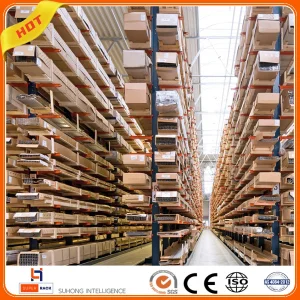
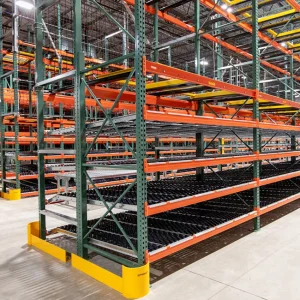
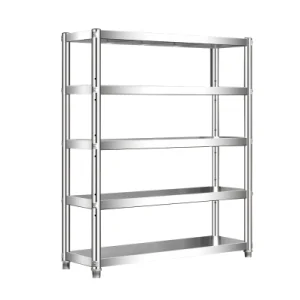
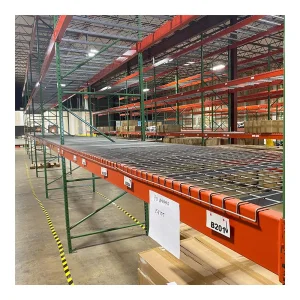
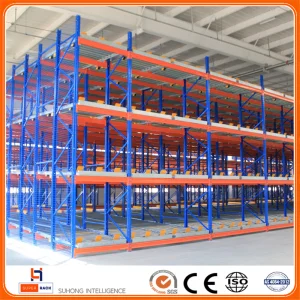
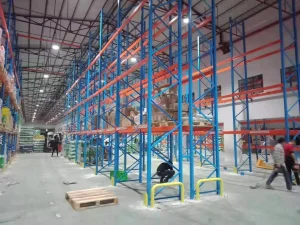
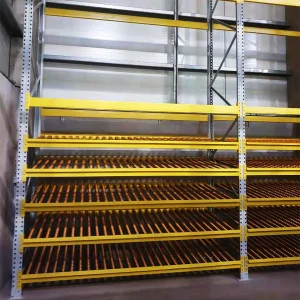
The global cold chain logistics market has experienced a paradigm shift driven by heightened expectations for fresh food delivery, the rapid expansion of temperature-sensitive pharmaceuticals (such as biologics and vaccines), and the growth of e-commerce grocery channels. This shift necessitates cold storage facilities that operate at maximum volumetric density while controlling soaring thermodynamic operations costs. Unlike standard ambient warehouses, cold storage spaces are highly energy-intensive; cooling costs can represent up to 60% of a cold facility's total energy expenditure.
Consequently, maximizing the physical cubic storage volume per square meter is no longer just a structural design goal; it is a critical variable in a company's bottom-line energy efficiency strategy. Selecting the correct racking architecture—whether it is mobile racking, drive-in pallet racking, push-back racking, or fully automated storage and retrieval systems (AS/RS)—dictates the thermal footprint of the warehouse. Efficient racking reduces the unoccupied air volume within a cold chamber, thereby significantly decreasing the thermal mass that must be actively refrigerated.
Global procurement teams in North America, Western Europe, and the APAC region look beyond the initial purchase price of racking components. Modern purchasing frameworks focus heavily on Total Cost of Ownership (TCO), evaluating indicators such as installation velocity, seismic compliance certifications, maintenance-free life cycle duration, and resistance to corrosion and structural embrittlement at extreme temperatures. Buyers require cold chain racking solutions engineered to withstand physical loading stress within temperatures ranging from 0°C down to -30°C without degradation of the steel chemistry.
Designing racking systems for cold storage environments is an engineering challenge that requires deep metallurgical knowledge. Standard structural steel (like standard grade carbon steel) undergoes a ductile-to-brittle transition when exposed to freezing temperatures. Under low-temperature environments, steel can lose its elasticity, making it highly susceptible to brittle fractures under load impacts—a catastrophic hazard when forklifts maneuver in cramped cold-room aisles.
To mitigate this structural risk, premium cold storage racking suppliers utilize cold-resistant, high-tensile steel grades such as Q355D or Q355E. These steel formulations are refined with micro-alloying elements and undergo strict impact tests (Charpy V-Notch impact testing) at sub-zero temperatures (e.g., -20°C and -40°C) to guarantee high impact energy absorption. This ensures the steel frame maintains structural integrity and elasticity even under the physical demands of high-throughput distribution operations.
High moisture levels and temperature changes in cold storage create condensation, which speeds up rust formation. Racking systems must have robust protective surface coatings. We use two primary finishing processes to prevent corrosion:
1. Hot-Dip Galvanizing (HDG): In accordance with ISO 1461, structural steel components are immersed in a molten zinc bath at approximately 450°C, producing a multi-layered, metallurgically bonded zinc-iron alloy coating. HDG provides superior protection (typically exceeding 60-80 microns in thickness), offering sacrificial protection and self-healing properties that prevent corrosion even if the racking is scratched by forklift tines.
2. Low-Temperature Durable Powder Coating: For dry cold storage applications, electrostatic powder coating is applied and cured in high-temperature ovens. We utilize specialized epoxy-polyester powder formulations designed to resist thermal shock, maintaining adhesion and flexibility down to -30°C without cracking, chipping, or flaking.
Leveraging high-end manufacturing processes, premium structural materials, and client-focused support to deliver reliable warehouse solutions.


For global cold chain operators, sourcing racking systems from a reliable Chinese manufacturing partner offers a strategic balance of cost efficiency, high-volume production, and precision engineering. The concentration of steel production and advanced component manufacturing in China has created a highly optimized supply chain ecosystem.
This localized concentration of steel rolling mills, automated galvanization facilities, and robotic welding centers allows us to compress production lead times by up to 40% compared to Western manufacturers. Highly automated rolling lines ensure that every upright frame, beam, and diagonal brace is produced to tight dimensional tolerances, which is critical for the alignment of high-density shuttle racking systems and AS/RS automated platforms.
Furthermore, this efficiency does not compromise quality. The manufacturing lines comply with European FEM 10.2.02 storage standards, American RMI guidelines, and CE certifications. By utilizing high-speed robotic welding and automated powder coating processes, we produce consistent weld quality and complete surface coverage. This ensures that every racking component shipped from our factory is engineered for durability and ready for heavy-duty industrial operations.
Tailored heavy-duty racking systems designed for specific sector requirements, ensuring reliability, product accessibility, and optimal storage density.
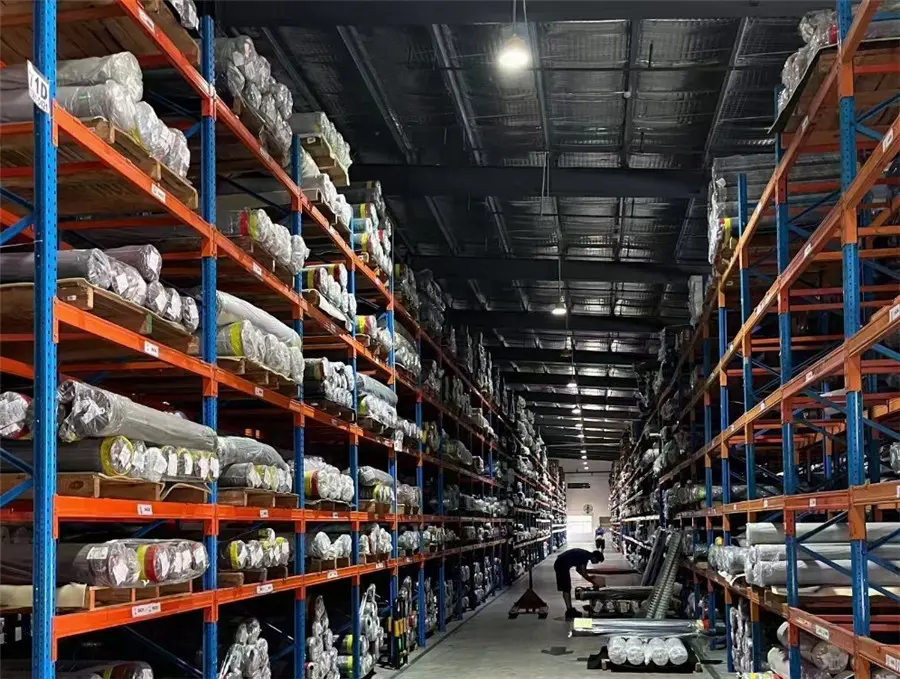
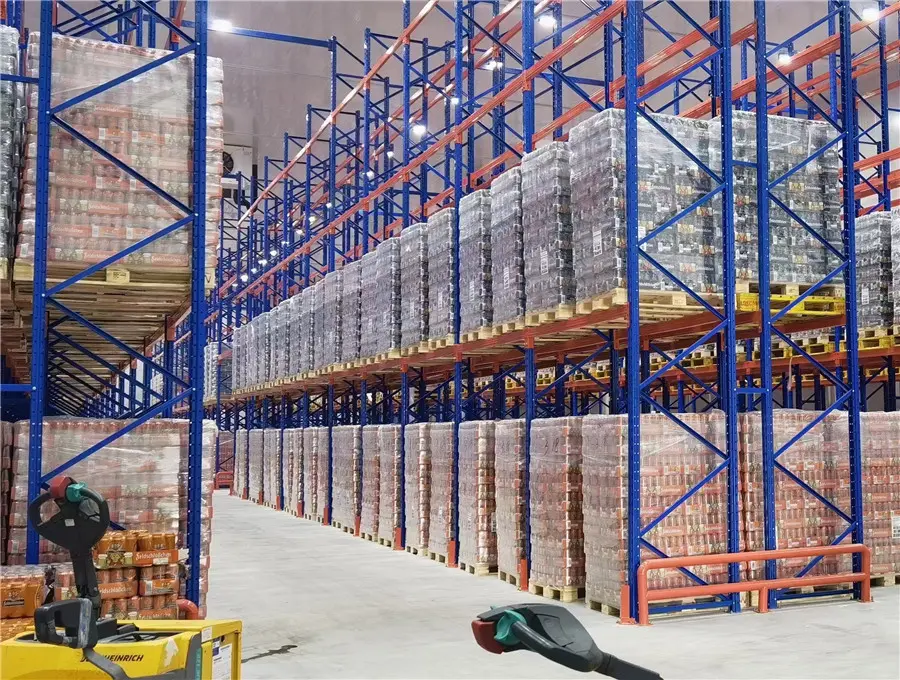
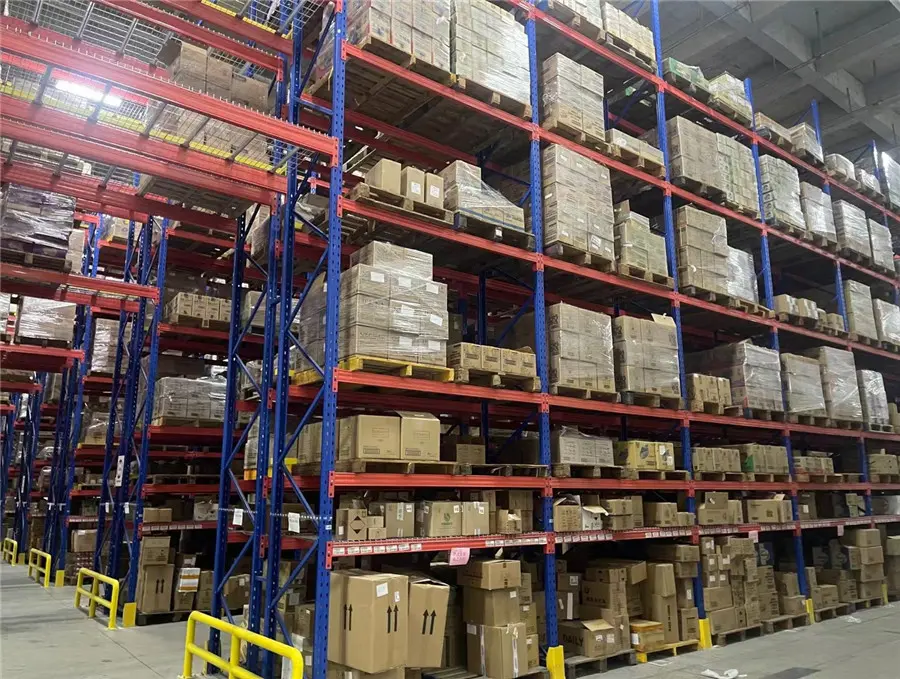
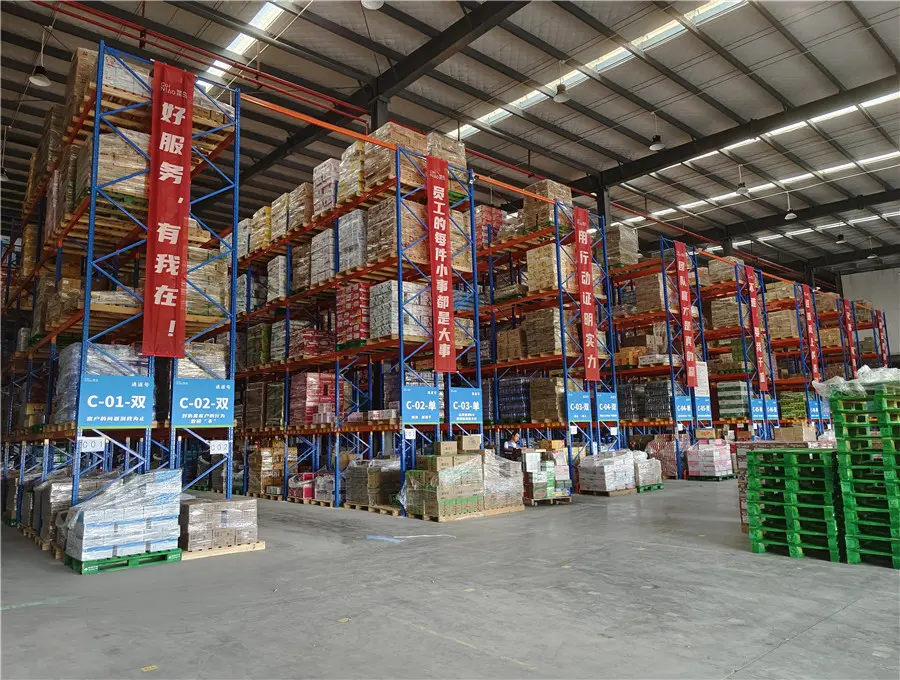
Global supply chains require racking systems that comply with specific regional engineering codes. A cold storage rack installed in seismic zones, such as parts of the United States, Chile, or Japan, must be engineered to resist dynamic ground acceleration forces. The structural load calculations must factor in not only the static weight of the frozen goods but also the dynamic seismic shear forces calculated under local building codes (e.g., ASCE 7 and RMI specification MH16.1 in North America, and Eurocode 3 in Europe).
To meet these requirements, structural engineers utilize dynamic finite element analysis (FEA) software to model load states and stress distribution. Upright frames, baseplates, and anchorage systems are scaled and reinforced accordingly. Enlarged, thick baseplates and heavy-duty concrete anchor bolts are utilized to distribute floor loading forces, preventing localized concrete slab cracking in cold rooms where the subgrade may be prone to freezing-induced movement.
The industry is rapidly shifting toward semi-automated and fully automated racking systems. Radio Shuttle Cart systems, which transport pallets within deep storage lanes, are replacing traditional drive-in racking. This transition minimizes forklift transit times within freezing chambers, reducing energy loss from open dock doors and lowering the risk of accidental forklift impacts on racking columns. Additionally, integrating IoT structural sensors allows real-time load monitoring and early detection of column damage, helping to protect personnel and inventory in demanding sub-zero environments.
Learn more about Asia Racking's commitment to industrial-grade durability, engineering quality, and reliable customer service.
Asia Racking is dedicated to delivering the widest selection of warehouse equipment available anywhere. We have both new and used equipment and can also mix and match both to meet your needs. Paired with our outstanding customer service and competitive pricing, there is no other supplier anywhere who will serve your needs better or more efficiently.
Our engineering team focuses on helping industrial facilities optimize their layout design, maximize volumetric capacity, and ensure structural safety. From our high-precision manufacturing lines in China to our global export operations, we provide reliable, heavy-duty racking solutions tailored to the needs of modern distribution and cold chain networks.
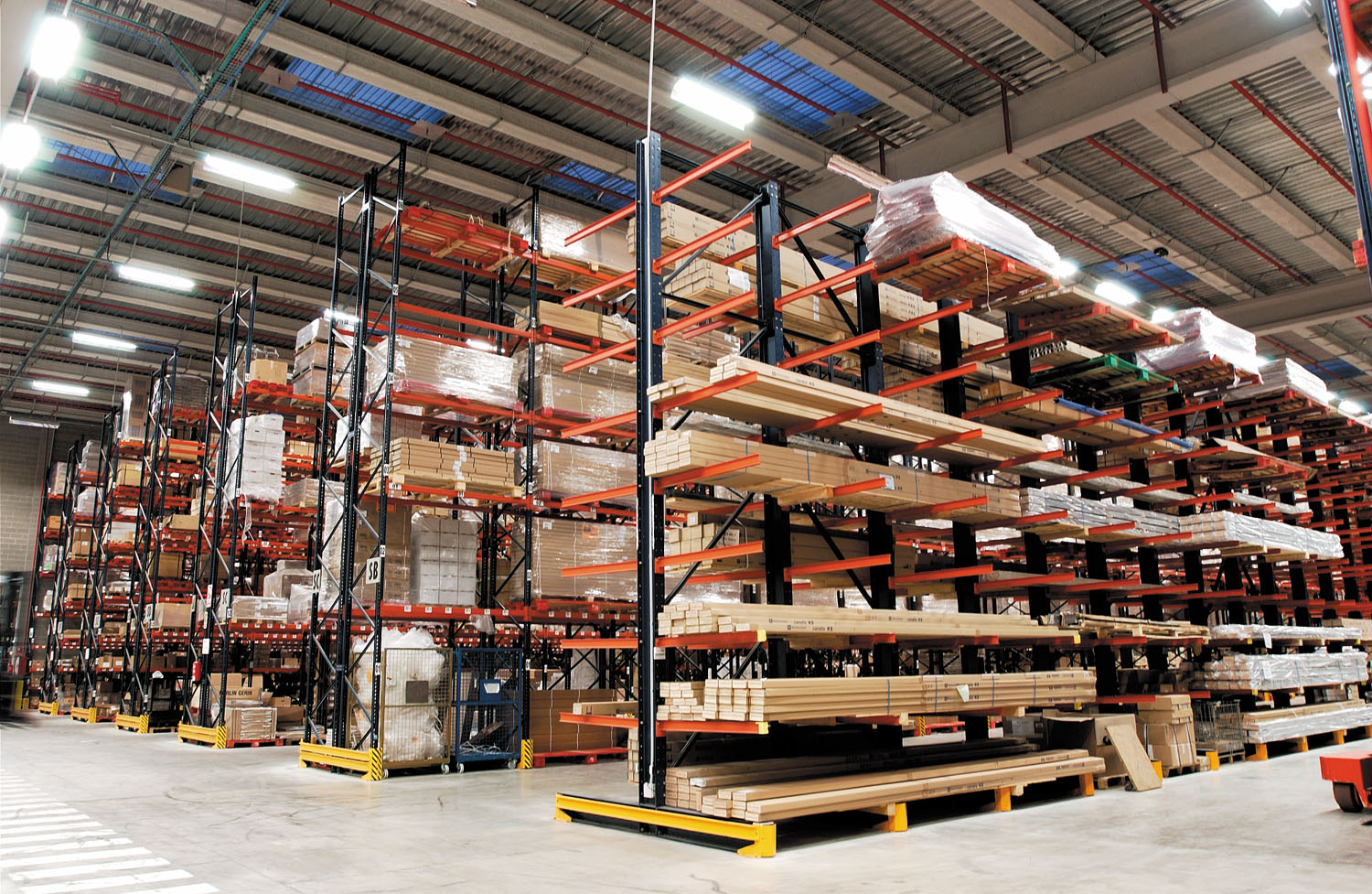
Get answers to common technical, metallurgical, and structural engineering questions about industrial cold storage systems.
Industrial storage configurations, high-capacity racking shelves, and multi-tier mezzanine floors engineered to double operational workspace.

 Asia Racking