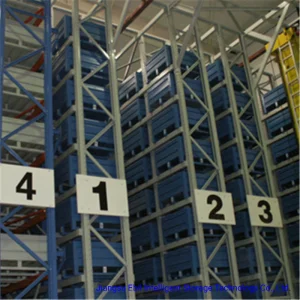
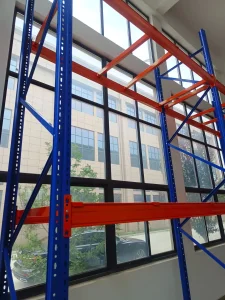
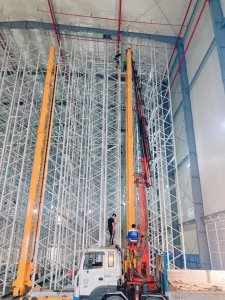
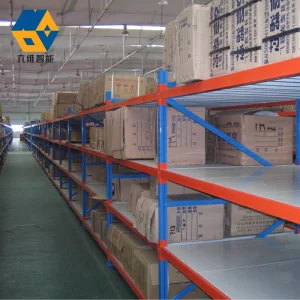
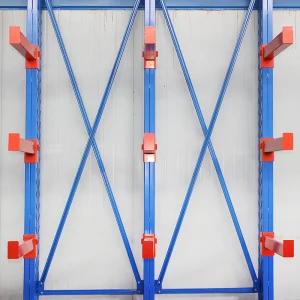
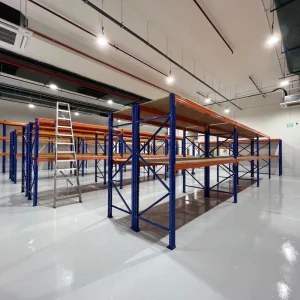
Engineered structural steel racking configurations designed for maximum pallet density, seismic durability, and dynamic flow precision.
An authoritative analysis of gravity flow systems, compliance standards, and raw material advancements driving warehousing density.
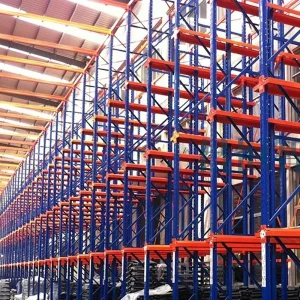
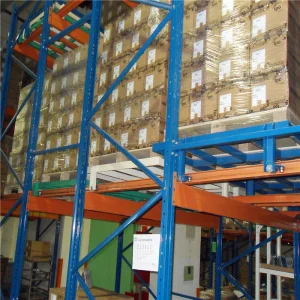
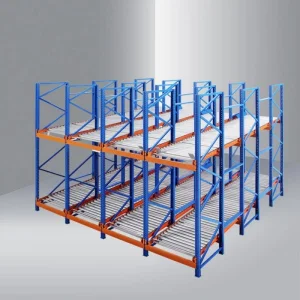
First-In, First-Out (FIFO) gravity flow racking represents the pinnacle of passive automation. By harnessing the physical force of gravity, these systems transition static storage into a dynamic material flow channel. The configuration features dynamic inclined roller lanes, typically pitched at an angle of 3% to 4% (equivalent to approximately 1.7° to 2.3°).
"Gravity-fed velocity must be strictly checked. If the slope is too gentle, it causes friction lock; if too steep, kinetic energy exceeds load limits. The engineering margin must integrate structural calculation formulas matching ambient temperature variables."
To prevent structural damage and cargo degradation, custom FIFO racks must utilize precision-calibrated speed controller rollers. Every 2 to 3 pallet positions, dynamic centrifugal brakes absorb excess kinetic energy, maintaining pallet velocity below a safe threshold of 0.3 meters per second.
Industrial structural reliability is non-negotiable. Custom FIFO flow systems must be built to conform with global standards, including the Rack Manufacturers Institute (RMI MH16.1) specification in the Americas, and the EN 15512 / FEM 10.2.02 standards in European markets. Heavy-duty structures are manufactured primarily using high-tensile structural steel profiles, including Q235B and Q355B grades, offering superior yield strength and weldability under extreme static load conditions.
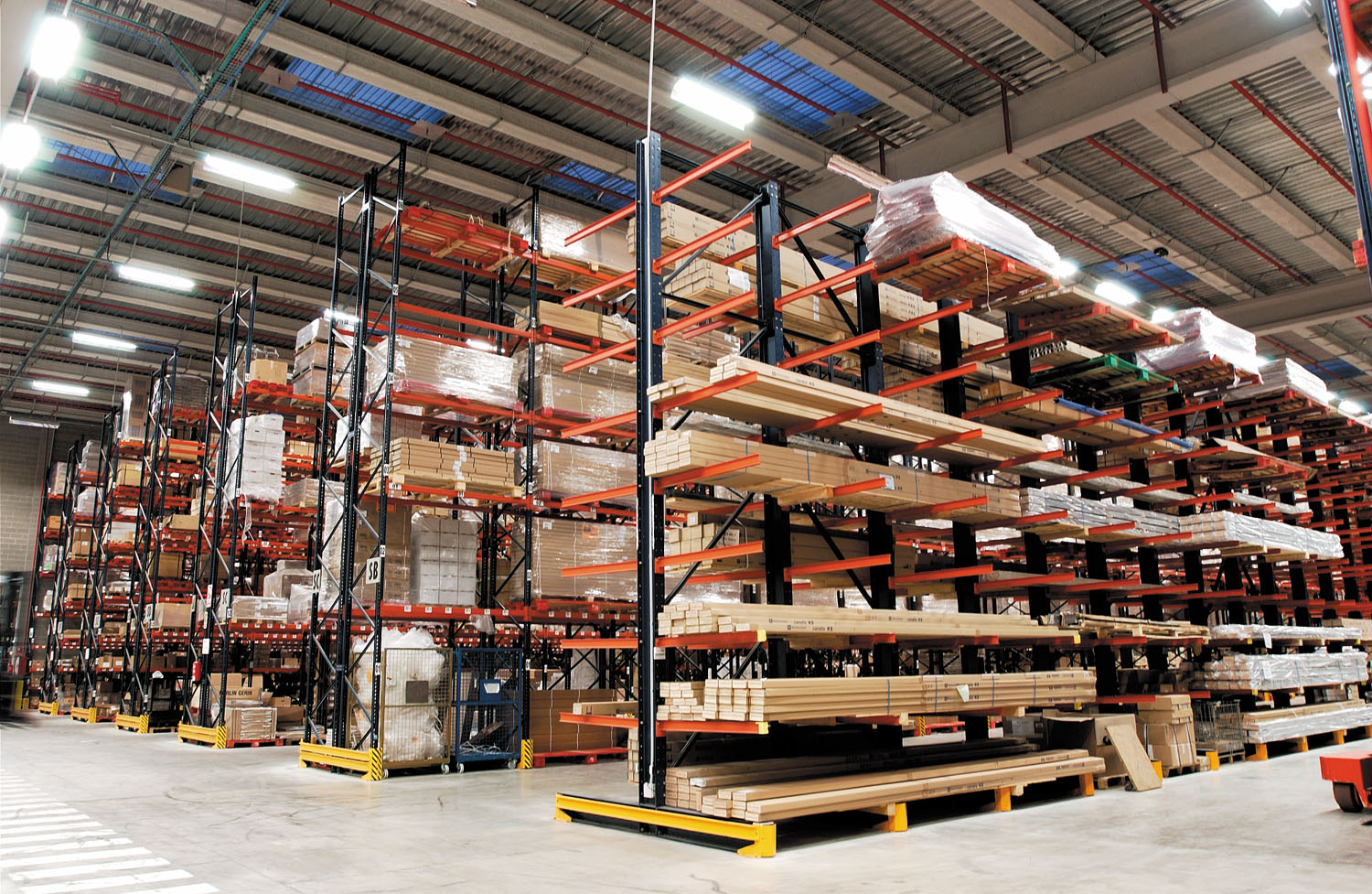
Calculating frame structural capacity requires analysis of wind load, seismic activities (following ASCE 7 parameters), and potential forklift impact forces. Heavy-duty uprights are roll-formed with variable cross-sections and configured to support multi-tier pallet lanes exceeding 1,500 kg per pallet position without excessive deflection.
Operating out of China's core steel-processing industrial zones allows us to achieve major advantages in supply chain consolidation. By purchasing raw coils directly from state-owned steel mills, we protect buyers from commodity price volatility. Our factory operations integrate automated robotic welding cells, continuous roll-forming lines, and advanced automated epoxy powder-coating systems. This high degree of automation ensures structural tolerances are controlled within ±0.5 mm, which is essential for ensuring smooth alignment of gravity tracks across multi-lane configurations.
Discover how our production capability, strict quality management system, custom engineering, and global logistics support your business growth.

We use only the highest quality steel to create each set of shelves, ensuring that you can see the quality of our products at a glance.

We strictly control every production process to meet your supply needs on time, quality, and quantity, so you can trust that you're getting the best possible product.

We specialize in creating professional and suitable storage rack solutions that are tailored to meet the unique needs of your warehouse.

We have a complete after-sales service system that includes one-to-one support to quickly handle any issues that may arise, so you can rest assured that you're always in good hands.
Our custom FIFO and structural pallet racks are deployed across demanding environments to maximize storage density and ensure seamless product rotation.
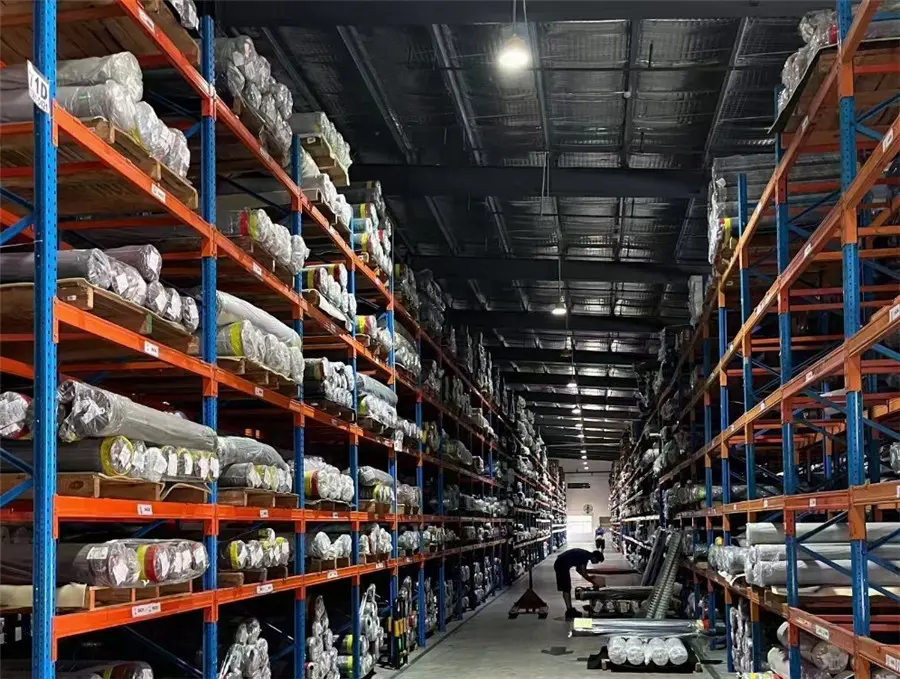
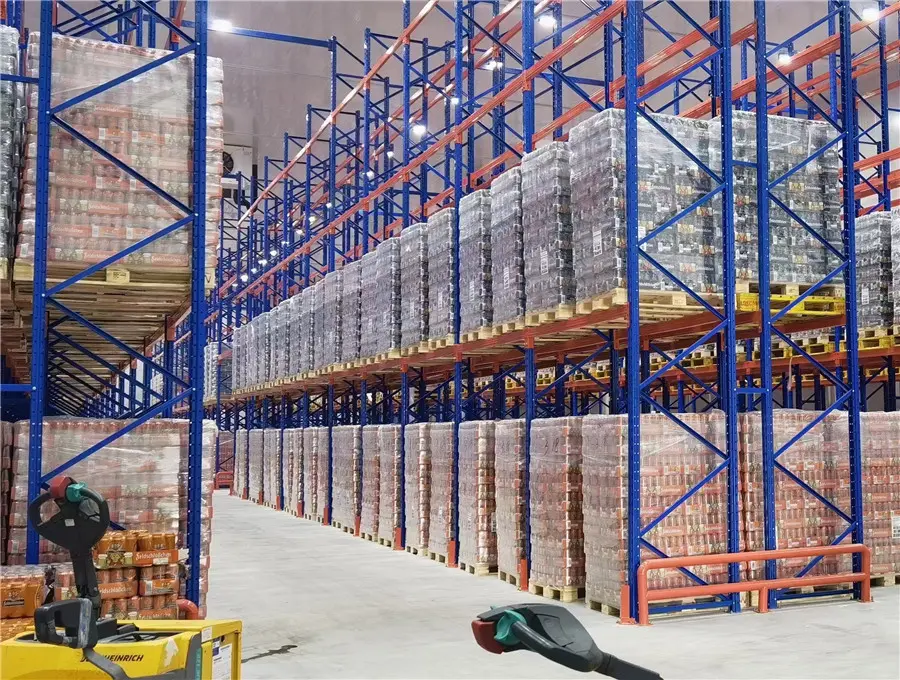
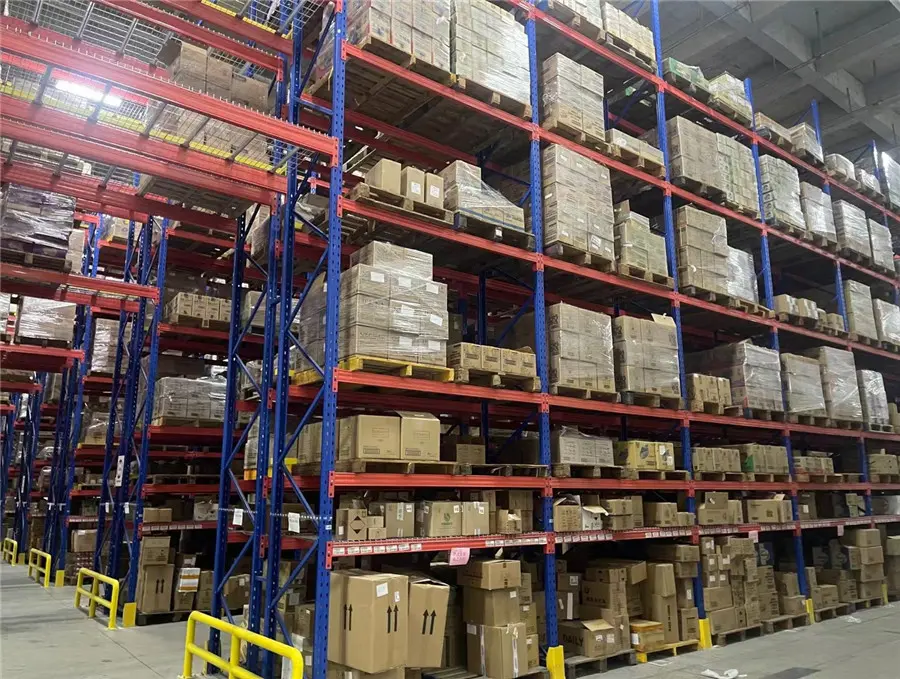
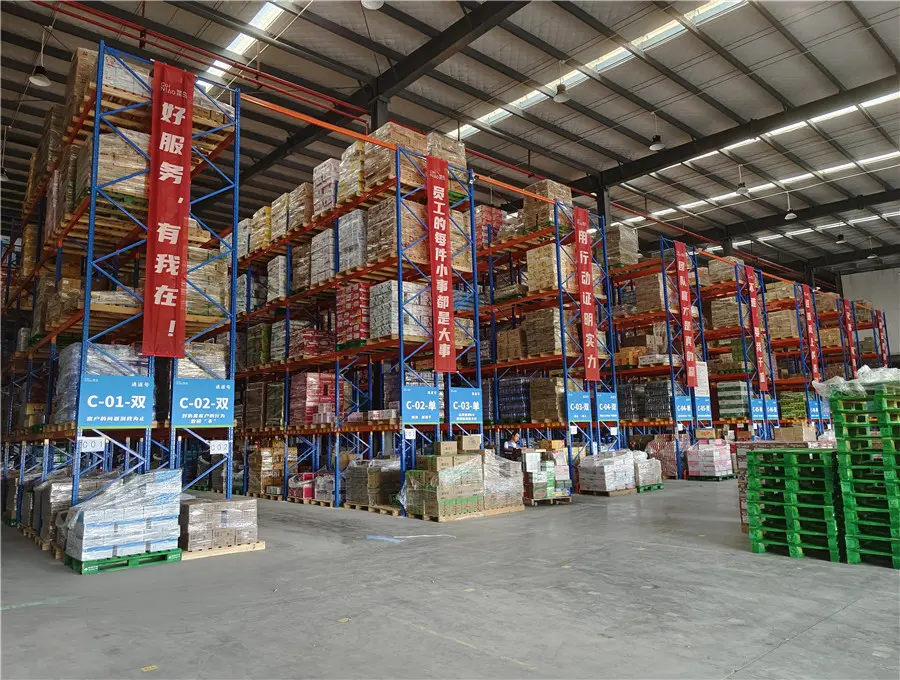
A comparative procurement reference designed to match dynamic and structural requirements to target warehousing use cases.
Selecting the ideal FIFO configuration involves balancing critical variables, including load capacity, rotation speed, and environmental conditions. Review the reference matrix below for key parameters used in evaluating and sourcing heavy-duty dynamic storage installations:
In high seismic-risk zones, such as North America’s West Coast or dynamic regions in East Asia, standard structural designs may be insufficient. Custom racking columns must incorporate enlarged baseplates and heavy anchor bolts to secure the system to the warehouse slab. We run Finite Element Analysis (FEA) simulations to assess stress concentrations under seismic acceleration. This process guarantees that structural frames will absorb seismic energy without collapse, protecting warehouse personnel and valuable inventory.
Partnering with operations worldwide to deliver reliable warehouse storage and material handling equipment.
Asia Racking is dedicated to delivering the widest selection of warehouse equipment available anywhere. We have both new and used equipment and can also mix and match both to meet your needs. Paired with our outstanding customer service and competitive pricing, there is no other supplier anywhere who will serve your needs better or more efficiently.
We operate out of a modern manufacturing facility utilizing advanced roll-forming machines and automated welding equipment. Our design and engineering teams work directly with international contractors to supply certified racking components that integrate with modern warehouse management software (WMS) and automated logistics systems.
Deep engineering and design questions regarding gravity flow racking integration and deployment.
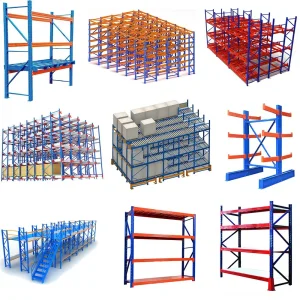
High-capacity structural solutions supporting heavy logistics, automated retrieval, and light-duty commercial displays.
 Asia Racking