Managing chemical compounds, pressurized containers, and heavy industrial tooling demands more than conventional shelving. It requires calculated structural engineering, compliance with fire-suppression protocols, and precision metallurgy. As a leading specialized developer of industrial warehouse systems, we combine deep material sciences with manufacturing capability to provide customized solutions that keep workspaces secure.
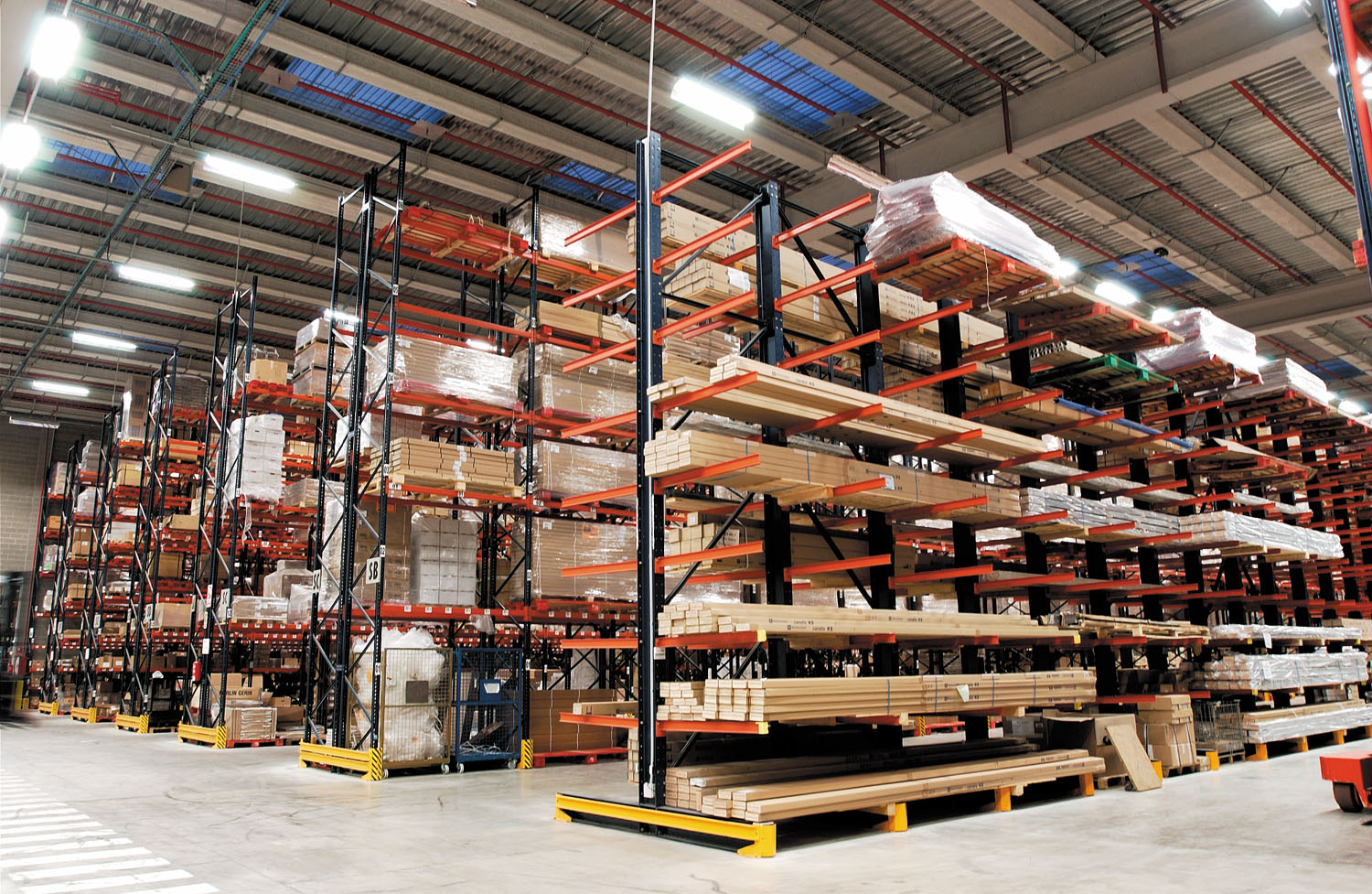
Delivering compliance-ready, highly robust storage configurations tailored for heavy industrial applications.

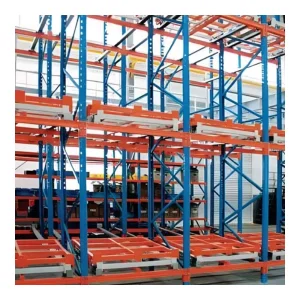
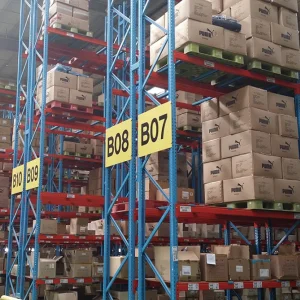
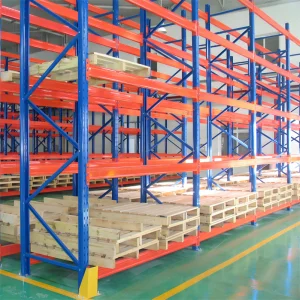
We use only the highest quality steel to create each set of shelves, ensuring that you can see the quality of our products at a glance. Our facilities implement automated CNC punching, multi-stage robotic welding, and inline quality control systems to ensure structural longevity.

We strictly control every production process to meet your supply needs on time, quality, and quantity, so you can trust that you're getting the best possible product. Every batch undergoes non-destructive weld testing, load-limit simulations, and paint thickness analysis.

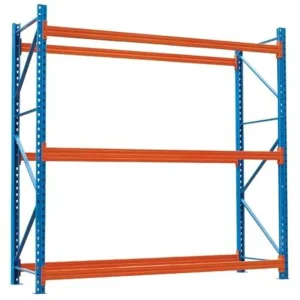
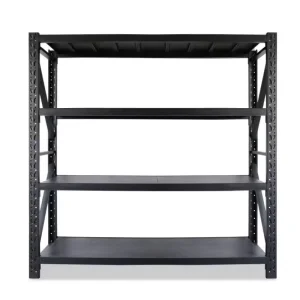
We specialize in creating professional and suitable storage rack solutions that are tailored to meet the unique needs of your warehouse. From seismic bracing to customized sump capacities and specific epoxy coatings, we engineer for your environment.

We have a complete after-sales service system that includes one-to-one support to quickly handle any issues that may arise, so you can rest assured that you're always in good hands. From conceptual 3D layouts to custom freight coordination, we support you end-to-end.
Leveraging China's deep industrial infrastructure, raw material access, and advanced structural engineering standards to optimize global chemical storage requirements.
The global industrial landscape relies on Chinese factories not only for cost-effectiveness but for substantial technological and structural quality advantages. When sourcing hazardous material storage systems, these advantages translate directly into increased facility safety.
How automation, smart sensors, and material advancements are transforming industrial containment sectors.
Racking systems are increasingly designed to house active monitoring components, including IoT vapor detectors, automated spill sensor valves, and temperature-controlled enclosure racking.
Standard paints are being replaced by high-performance electrostatic epoxy powder coatings and hot-dip galvanization techniques that resist aggressive chemical degradation.
Modern facilities prefer pre-engineered, modular hazmat racks that can be scaled, reconfigured, or moved as chemical processing layouts evolve.
Solving unique environment challenges through custom-engineered structural configurations.
Marine and port locations expose structural systems to intense saline corrosion. We implement high-build hot-dip galvanizing to ensure the metal framework does not experience oxidation and structural compromise.
Earthquake-prone areas demand specialized structural calculations. Our engineering division integrates high-ductile baseplates, larger anchor bolts, and specialized horizontal cross-bracing patterns to resist dynamic seismic loads.
For facilities managing organic peroxides or volatile solvents, our customized systems allow seamless integration with explosion-proof cold storage walls, keeping safe clearances for airflow circulation.
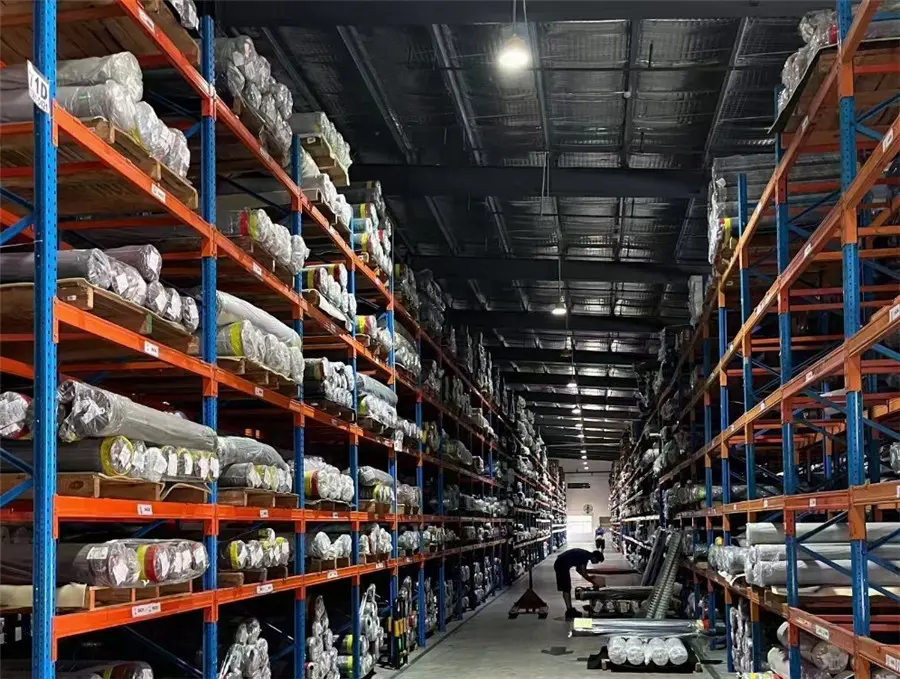
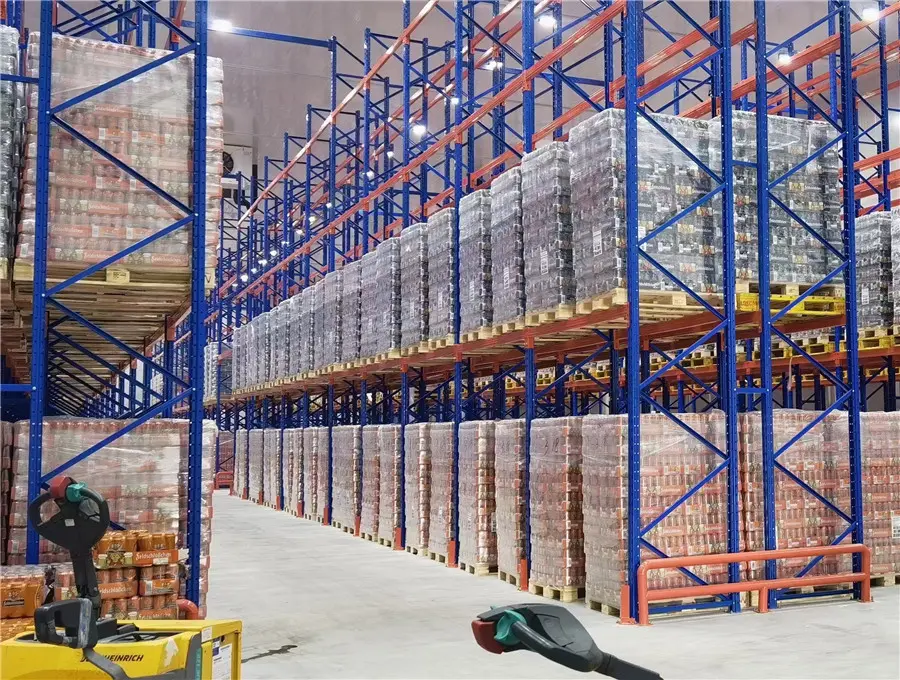
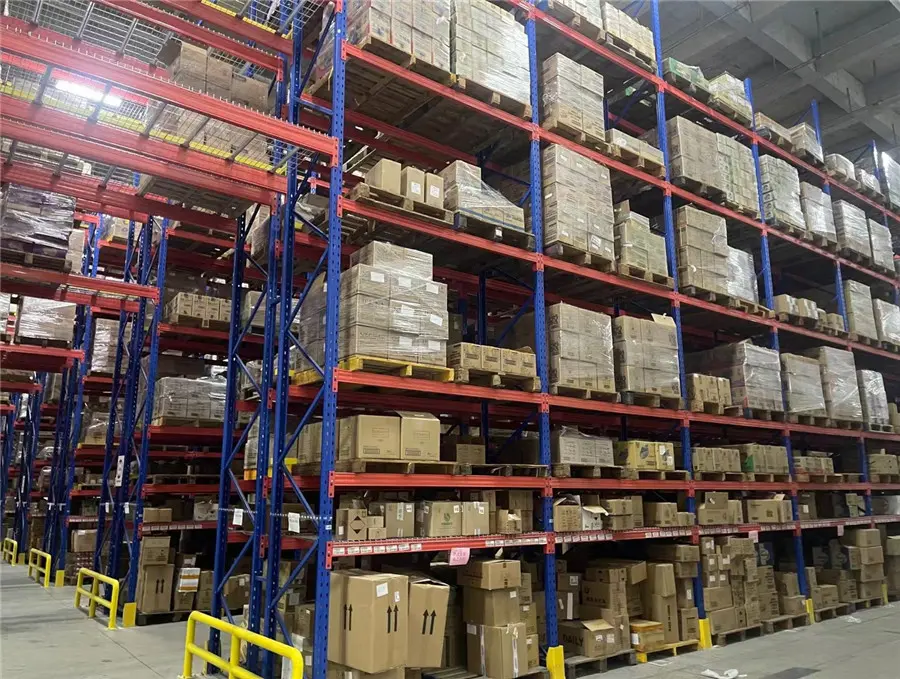
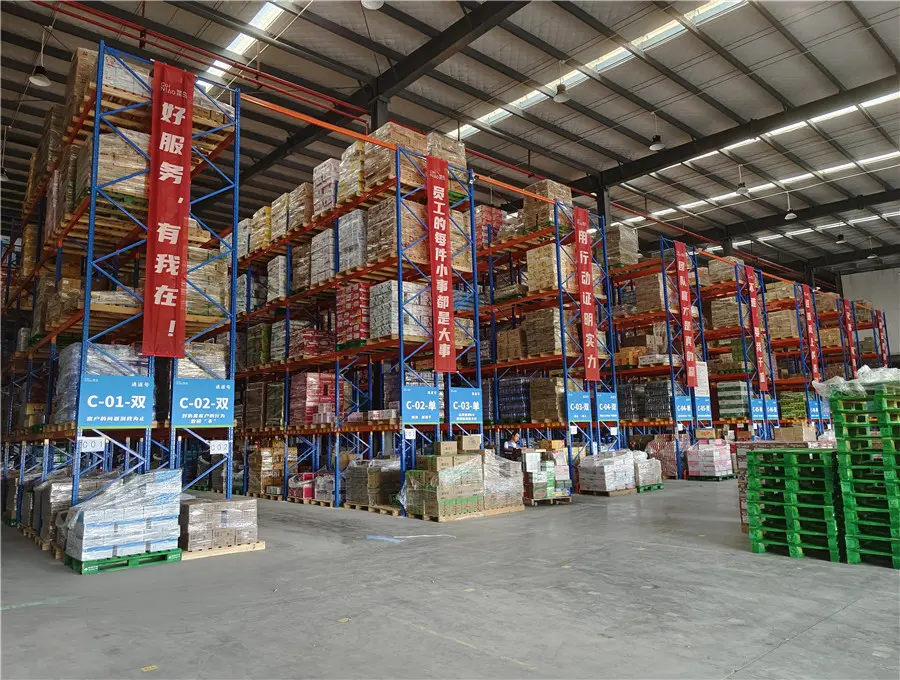
For enterprise operations, hazardous material storage is not a standalone purchase. It is a critical component of integrated logistics and safety systems.
As the global shift to electric mobility accelerates, warehousing lithium-ion batteries has become a key safety concern. We design reinforced racks featuring integrated thermal barriers, spill collection areas for battery electrolytes, and pre-drilled brackets for fire control pipework.
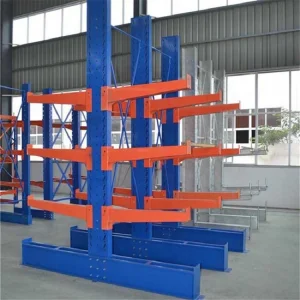
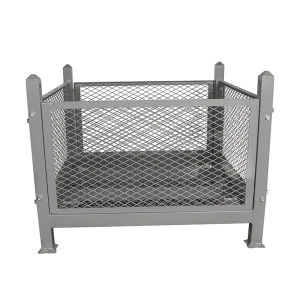
Our heavy-duty steel configurations are optimized for chemical drums, ibc totes, and volatile solvent cans. The designs feature built-in secondary sumps to prevent liquid spread in case of container failure.
Procurement managers and compliance officers must verify multiple engineering specifications before ordering custom structural equipment.
Technical answers to common engineering, procurement, and compliance questions.
We primarily utilize high-tensile structural carbon steel in grades Q235B and Q355B (equivalent to ASTM A36 and ASTM A572 Grade 50). This guarantees structural rigidity and predictable load deformation behavior under load limit scenarios.
Yes. Our engineering department performs site-specific seismic calculations based on your geographic location's Seismic Design Category (SDC). We design custom baseplates, heavier upright profiles, and specific diagonal bracing to meet local regulations.
For acidic, alkaline, or humid environments, we recommend either a heavy-build electrostatic epoxy powder coating or hot-dip galvanization (HDG). HDG provides long-term galvanic protection, while custom epoxy coatings offer high chemical resistance.
We run structural simulations using Finite Element Analysis (FEA) software. During manufacturing, we perform regular weld inspections, steel thickness verification, and testing of sample sections to guarantee that the actual capacity matches the design values.
Standard manufacturing lead times range from 3 to 5 weeks depending on the complexity, customization requirements, and volume. This includes raw material sourcing, rolling, stamping, welding, coating, and packing processes.
 Asia Racking