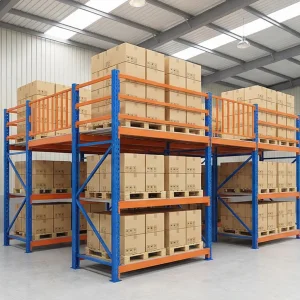
Explore our core engineering catalog designed to maximize cubic storage efficiency, optimize ergonomics, and enhance throughput across industrial environments.
Analyzing the seismic shift toward vertical density, footprint recovery, and automated fulfillment across modern supply chains.
In the contemporary landscape of global logistics, industrial manufacturing, and distribution, real estate costs and labor scarcity are driving unprecedented investment into Vertical Lift Modules (VLMs) and dynamic Automated Storage and Retrieval Systems (ASRS). Vertical Lift Modules represent an advanced enclosed system consisting of two columns of trays and a central mechanical extractor. By utilizing the vertical headroom of a facility up to 15+ meters, VLMs effectively recover up to 85% of previously wasted floor footprint compared to conventional static racking.
As micro-fulfillment centers, specialized electronic component storage, aerospace maintenance hubs, and automotive spares management demand faster turnaround times, selecting the right Vertical Lift Module manufacturers becomes a critical strategic decision. Top manufacturers across Europe, North America, and Asia are now integrating sophisticated sensor arrays, machine vision, AI-driven slotting algorithms, and robust structural steel engineering to ensure uninterrupted operational availability.
Understanding the dynamic height scanning, elevator tray systems, and software integration that power industrial efficiency.
A high-performance Vertical Lift Module relies on precise electro-mechanical systems. Unlike static shelving or basic dynamic flow racks, a VLM continuously measures the height of every item placed on its trays using optoelectronic light curtains. The internal system software dynamically calculates the exact vertical clearance needed and stores the tray in the tightest available internal slot.
Integrated photo-electric light curtains scan goods to the millimeter, automatically allocating vertical storage space to minimize air gap waste.
Seamless connection with SAP, Oracle, and proprietary cloud storage management systems for real-time inventory tracking and batch picking optimization.
Delivers required trays directly to the operator at a standardized ergonomic height, eliminating bending, climbing, and walking exhaustion.
| Performance Metric | Standard Static Racking | Carton/Pallet Flow Racks | Vertical Lift Modules (VLM) |
|---|---|---|---|
| Vertical Footprint Utilization | Low (20% - 40%) | Moderate (40% - 60%) | Maximum (Up to 85%+) |
| Picking Speed & Efficiency | Slow (Travel time heavy) | Moderate (Gravity assisted) | Ultra-Fast (Goods-to-Person) |
| Inventory Security & Control | Open / Vulnerable | Open / Vulnerable | Fully Enclosed / Access Controlled |
| Ergonomic Safety | High Risk (Lifting/Bending) | Moderate Risk | Zero Lifting Strain / Workstation Ergonomic |
Combining heavy-duty structural steel expertise with tailored automated warehouse equipment solutions.

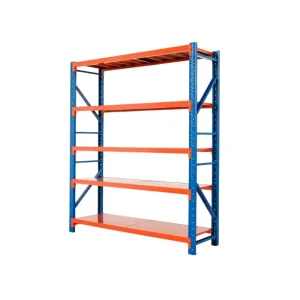
We use only the highest quality steel to create each set of shelves and storage systems, ensuring that you can see the premium structural integrity of our products at a glance.

We strictly control every production process to meet your supply needs on time, with zero-defect quality and full volume reliability, so you can trust that you're getting the best product.

We specialize in creating professional and suitable storage rack solutions that are custom-engineered to meet the unique structural and spatial needs of your facility.

We provide a complete lifecycle after-sales support system, including one-to-one engineering consults to quickly handle any deployment or maintenance challenges that arise.
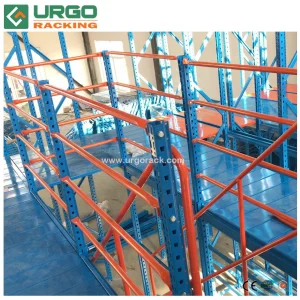
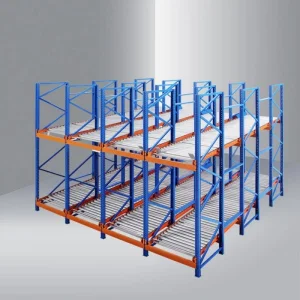
Asia Racking is dedicated to delivering the widest selection of high-performance warehouse equipment available anywhere. We supply both advanced customized steel platforms, mezzanine systems, automated gravity flow racks, and heavy-duty structural components. By integrating both standard structural innovations and modular automation units, we match exact customer operational needs.
Paired with our outstanding customer service and competitive global pricing, there is no other supplier anywhere who will serve your warehouse transformation needs better or more efficiently.
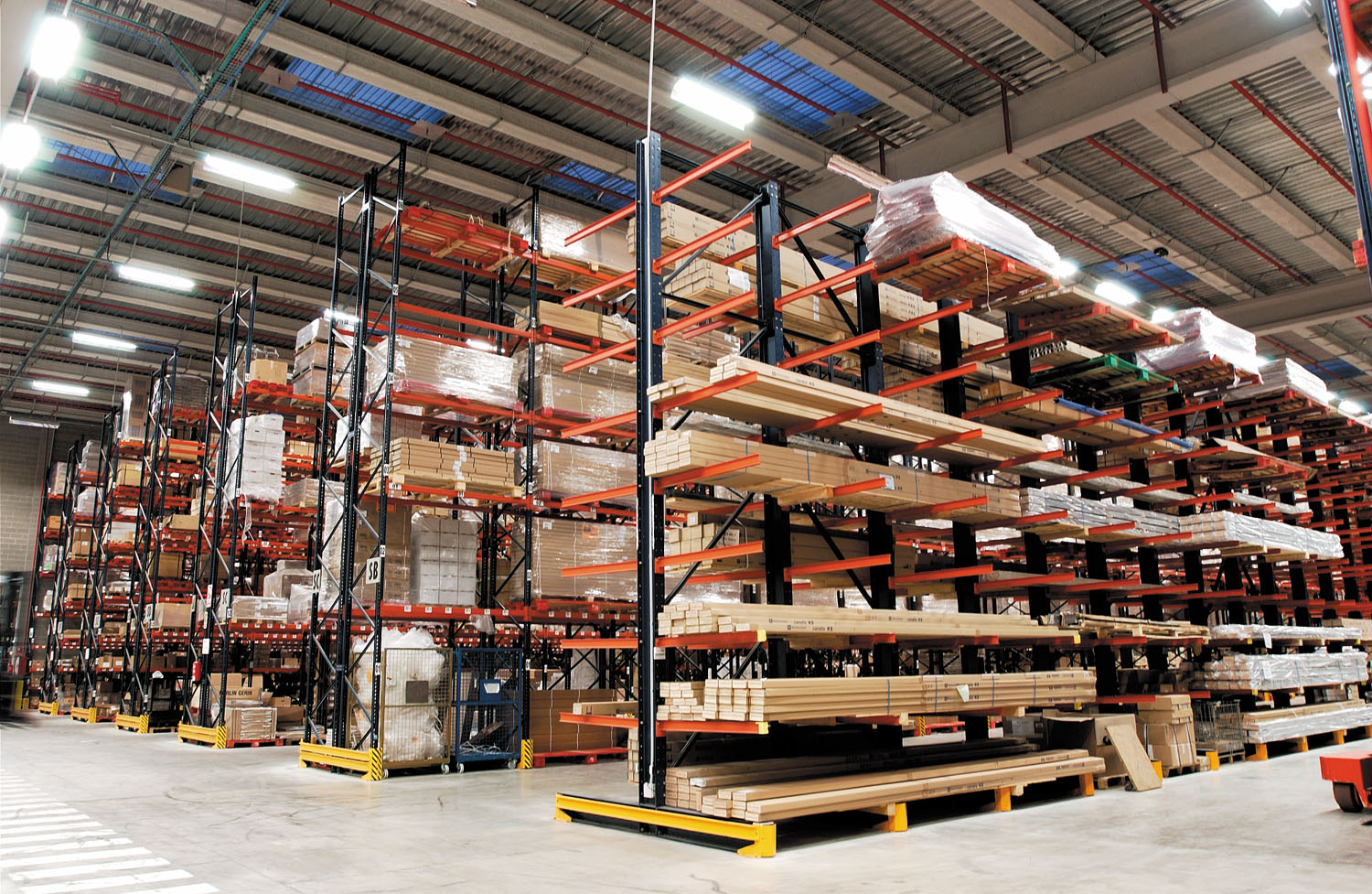
How customized storage solutions and automated lift modules optimize operational efficiency across key verticals.
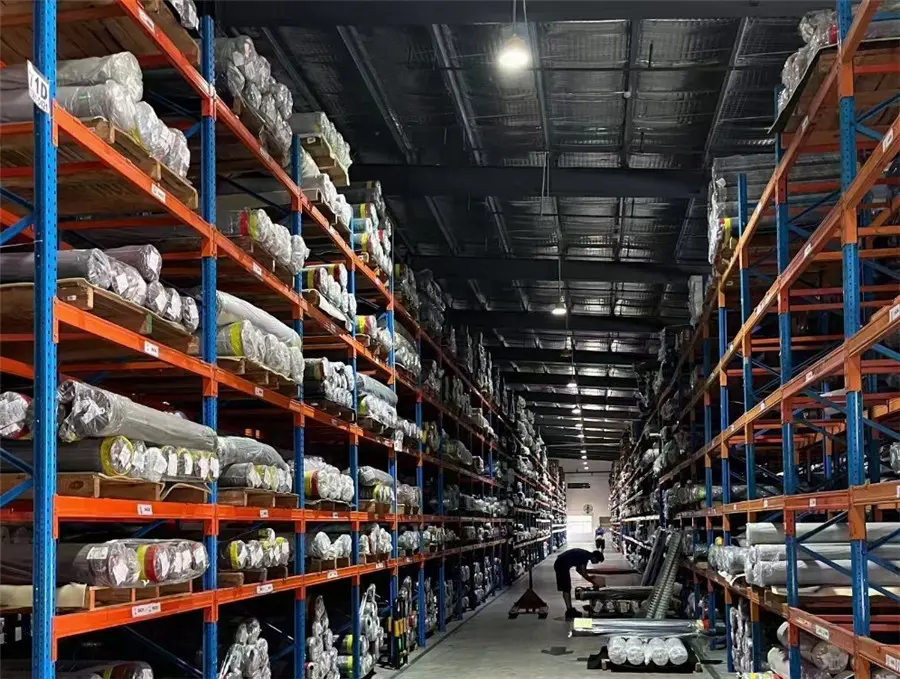
Managing heavy fabric rolls, dyes, and specialized tooling requires high-load tray capacity and customized vertical access to eliminate manual floor clutter and textile damage.
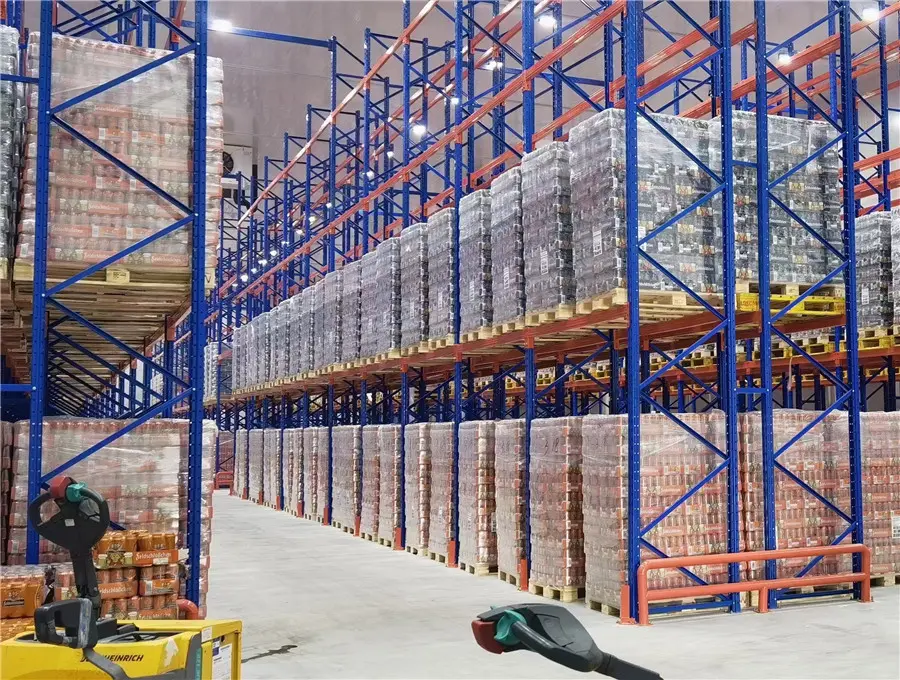
Strict FIFO (First-In, First-Out) compliance, cleanroom-compatible enclosed lift bays, and rapid flow racking systems ensure optimal batch control and zero product expiration waste.
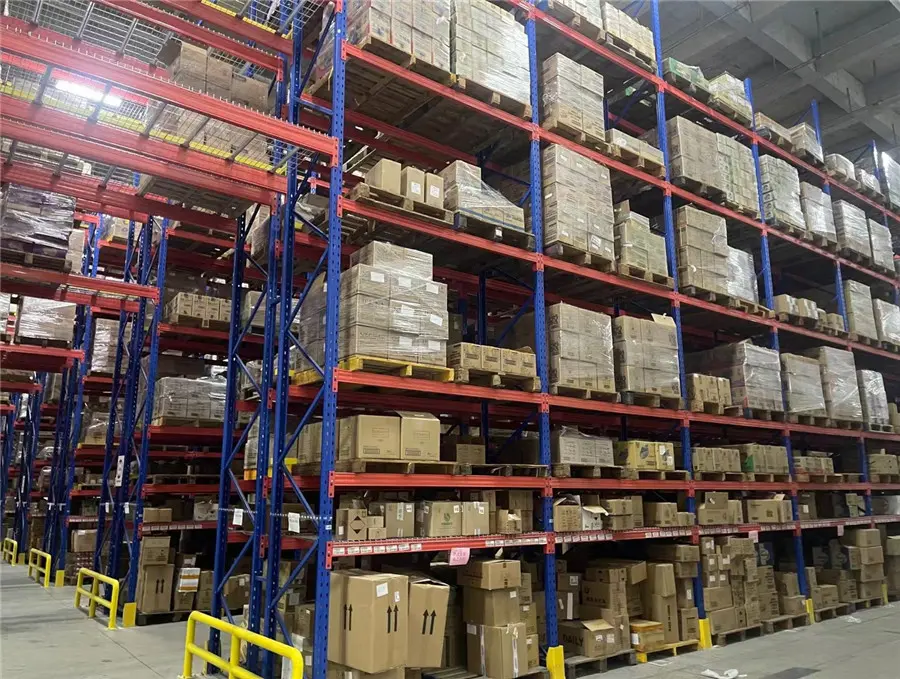
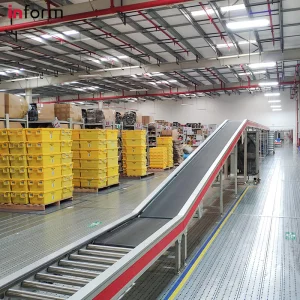
Maximizing throughput during peak e-commerce seasons via pick-to-light integration, automated tray retrieval, and multi-bay picking stations connected to conveyors.
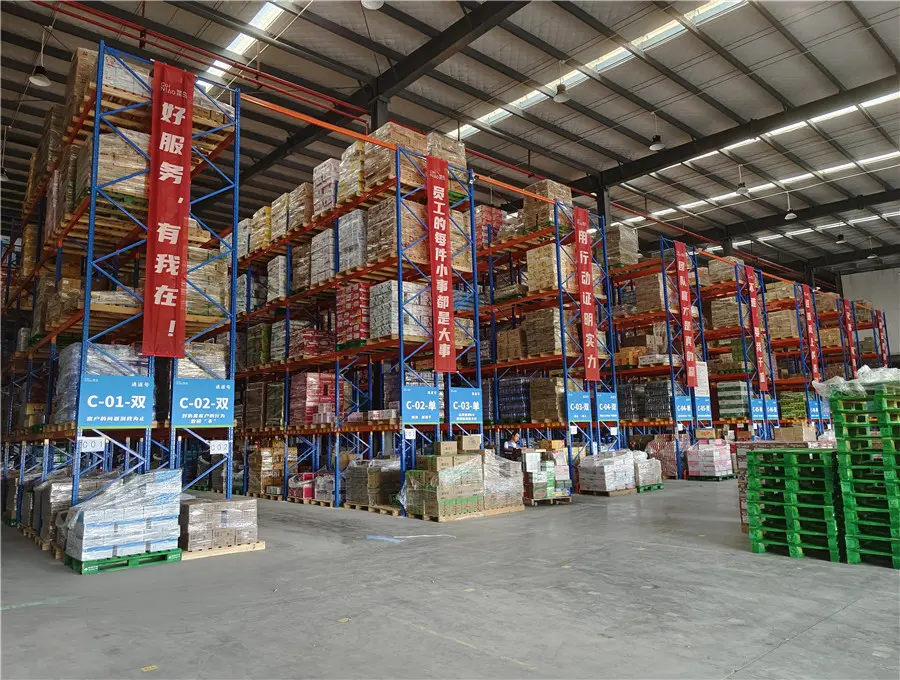
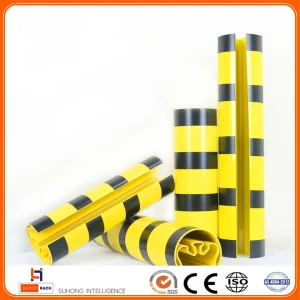
Heavy machinery parts, CNC tooling, automotive spares, and electrical equipment stored in high-density vertical towers built from premium Q235B structural steel framework.
Navigating global structural codes, seismic engineering, and workplace safety directives for automated storage.
Deploying automated vertical lift modules and elevated mezzanine platforms requires rigorous adherence to regional building codes, electrical directives, and occupational health regulations. Leading manufacturers engineering systems for worldwide installation must adhere to localized certification protocols:
The evolutionary vector of Vertical Lift Modules over the next decade.
As Industry 4.0 matures, Vertical Lift Modules are evolving from standalone automated hardware into intelligent nodes within connected supply ecosystems. The future development trajectory highlights four key innovations:
Direct interface between VLM tray discharge doors and Autonomous Mobile Robots, enabling fully automated hands-free transport from vertical storage directly to packing cells.
AI engines analyzing seasonality, picking frequencies, and order patterns to dynamically re-slot trays during off-peak hours for ultra-optimized retrieval speed.
Embedded thermal imaging, vibration sensors, and belt tension monitoring to detect elevator drivetrain wear before system failure occurs, enabling 99.99% uptime.
Expert insights on vertical storage implementation, payload capacity, software integration, and structural requirements.
A Vertical Carousel uses fixed shelf positions attached to a chain loop that rotates continuously around a track (like a Ferris wheel). In contrast, a Vertical Lift Module (VLM) uses an internal elevator (extractor) to dynamically locate individual trays from two static storage columns. VLMs dynamically adjust space based on product height, making them vastly superior for variable-sized items and high-capacity storage.
While VLMs can be customized for facilities with heights as low as 3 meters (10 feet), maximum ROI and density gains occur in facilities with vertical clearance ranging from 6 meters up to 15+ meters (20 to 50 feet). By exploiting underutilized overhead volume, footprint savings reach up to 85%.
Because VLMs concentrate massive vertical weight onto a localized footprint, standard industrial concrete slabs require minimum thickness (typically 150mm to 250mm) and point-load ratings capable of supporting 2,000 kg to 5,000 kg per square meter depending on system unit height and maximum tray load capabilities.
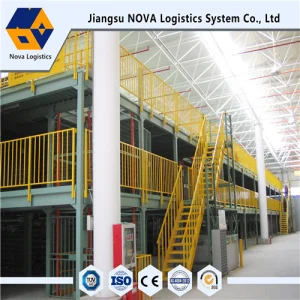
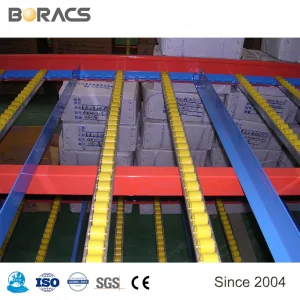
Yes. Many high-throughput fulfillment hubs combine structural mezzanine floors and carton flow racking with VLM access bays. This hybrid layout enables multi-level picking platforms where operators access VLM output stations on elevated levels to double operational throughput.
Premium grade storage equipment engineered for resilience, capacity, and spatial performance.
 Asia Racking