Engineered solutions manufactured to global compliance standards, optimizing floor-space efficiency and operational velocity.
Modern supply chains are facing unprecedented pressures: shrinking lead times, skyrocketing urban land values, and escalating labor costs. To maintain systemic resilience, today's distribution networks cannot merely rely on storage spaces; they must treat their warehousing infrastructure as an active catalyst for efficiency. As global industrial ecosystems undergo structural shifts toward localization and automation, selection of the right material handling equipment (MHE) and industrial racking systems becomes the foundation of sustainable, high-velocity distribution centers.
This comprehensive technical whitepaper explores the critical engineering paradigms, manufacturing processes, and technology integrations defining next-generation warehousing systems. From structural load-bearing capacity calculation under regional seismic regulations to the physics of high-density gravity flow and heavy-duty steel mezzanine fabrication, we analyze the micro and macro parameters that procurement officers and plant directors must evaluate when sourcing from top-tier exporters.
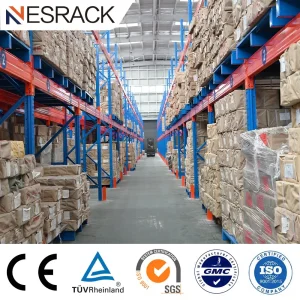
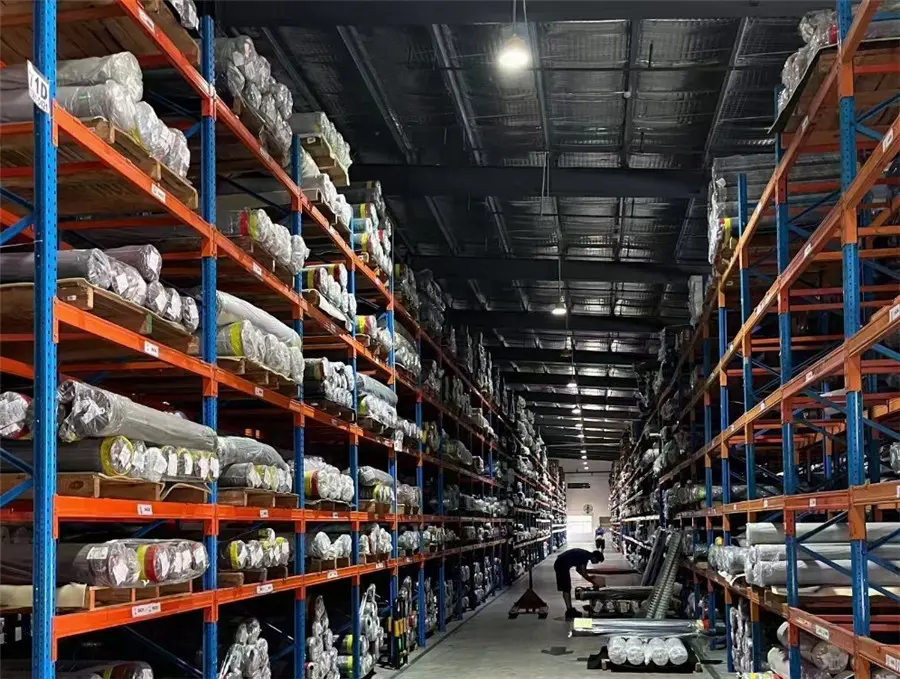
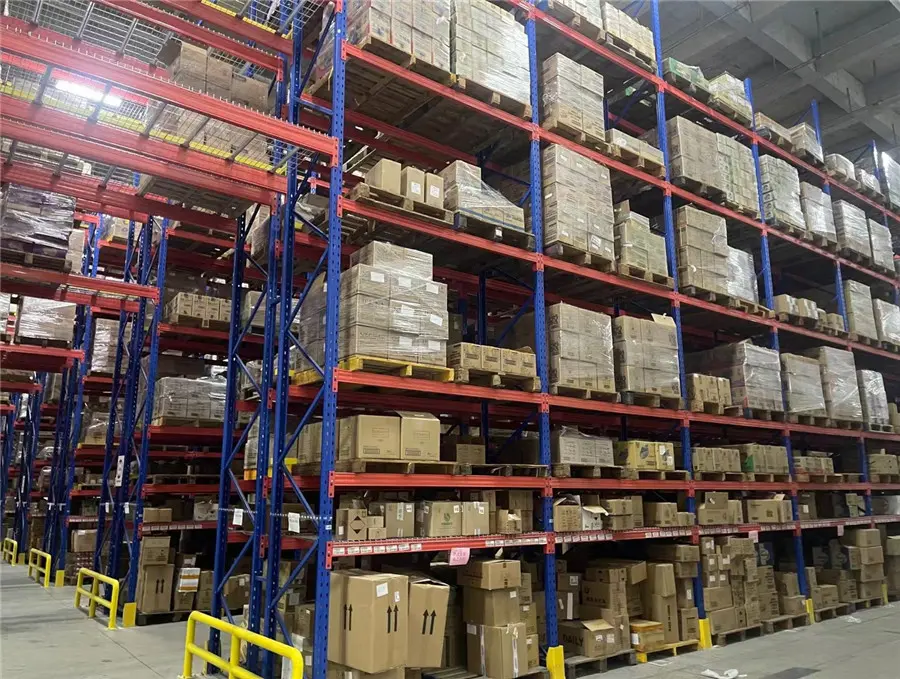
Industrial racking systems are subjected to tremendous static and dynamic loads. A single standard multi-tier pallet racking system can support structural loads exceeding several hundred tons. At the heart of safety and performance lies material integrity. Leading manufacturers rely heavily on high-grade Q235B and Q355B structural carbon steel, offering the optimal balance of yield strength, ductility, and weldability. The engineering principles governing cold-formed steel and hot-rolled structural steel members demand exact compliance with international design specifications, including the Rack Manufacturers Institute (RMI) standards in North America and EN 15512 codes in the European Union.
Corrosion resistance is another crucial vector. Racks deployed in cold chain environments or heavy chemical processing plants require advanced surface finishes. Standard powder coatings must undergo multi-stage electrostatic application, followed by thermal curing to create a non-porous, high-impact surface. Galvanized steel configurations are used for maximum atmospheric protection, ensuring the longevity of structural supports, upright profiles, and load-beams over decades of continuous forklift interaction.
Evaluating local applications, geographical complexities, and localized supply chain integration parameters.
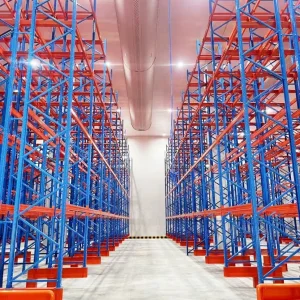
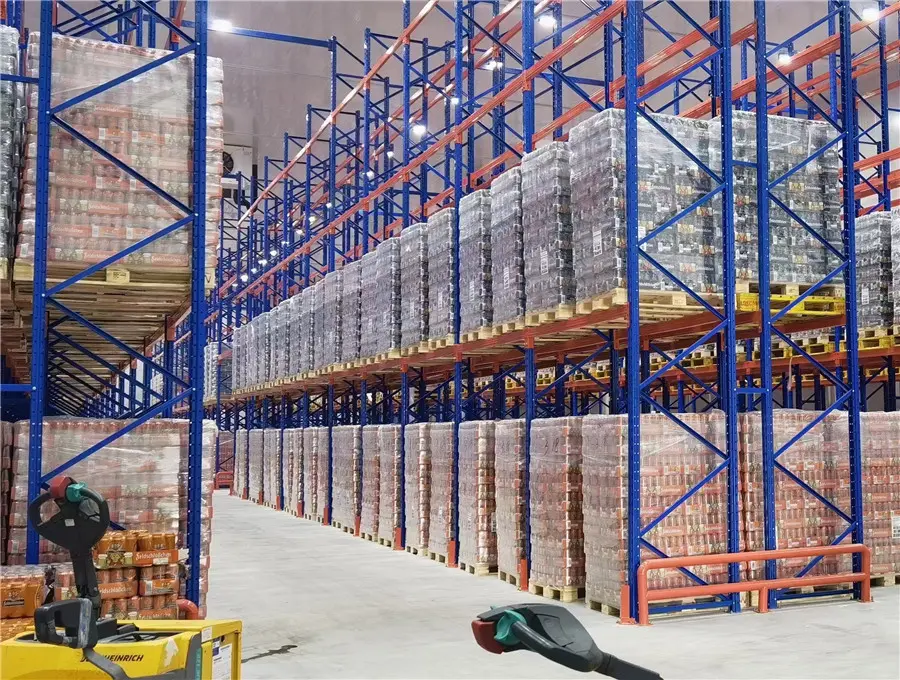
With warehouse space costs rising, maximizing cubic capacity through vertical scaling is essential. Double-deep racking, drive-in systems, and radio shuttle carriers allow warehouses to increase utilization rate by up to 80% compared to traditional single-selective racking configurations.
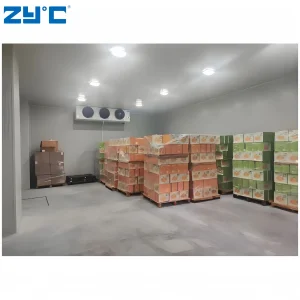
Cold storage environments necessitate specialized material choices. Low temperatures accelerate steel embrittlement. Structural steel alloys must be formulated to resist impact fracture down to -30°C, a key engineering focus for standard-compliant Japanese and European food distribution hubs.
Navigating global compliance standards requires a deep understanding of local construction codes. Exporters must provide certified structural calculation calculations under AISC, RMI, and FEM guidelines, facilitating seamless permitting processes with local municipal inspectors.
The global dominance of Chinese manufacturers in the material handling sector is built on supply chain vertical integration. Strategically located industrial clusters, such as the manufacturing hubs in Nanjing, Jiangsu, benefit from direct proximity to leading primary steel producers, advanced robotic welding clusters, and international maritime shipping ports. This geographical advantage minimizes domestic shipping and raw material transit costs while ensuring immediate access to various grades of certified structural steel.
Beyond material access, modern Chinese factories utilize state-of-the-art automated manufacturing workflows. Continuous automated roll-forming lines shape upright columns with millimeter precision. Robotic welding systems ensure zero-defect joints on beam connectors, achieving high levels of load stability. This mechanical repeatability, paired with high-volume manufacturing capabilities, allows Chinese exporters to deliver customized products at highly competitive costs, maintaining the supply chain stability needed by multinational logistics developers.
Combining engineering expertise, manufacturing power, and comprehensive after-sales services to secure your investment.

We use only the highest quality steel to create each set of shelves, ensuring that you can see the quality of our products at a glance.

We strictly control every production process to meet your supply needs on time, quality, and quantity, so you can trust that you're getting the best possible product.

We specialize in creating professional and suitable storage rack solutions that are tailored to meet the unique needs of your warehouse.

We have a complete after-sales service system that includes one-to-one support to quickly handle any issues that may arise, so you can rest assured that you're always in good hands.
Asia Racking is dedicated to delivering the widest selection of warehouse equipment available anywhere. We have both new and used equipment and can also mix and match both to meet your needs. Paired with our outstanding customer service and competitive pricing, there is no other supplier anywhere who will serve your needs better or more efficiently.
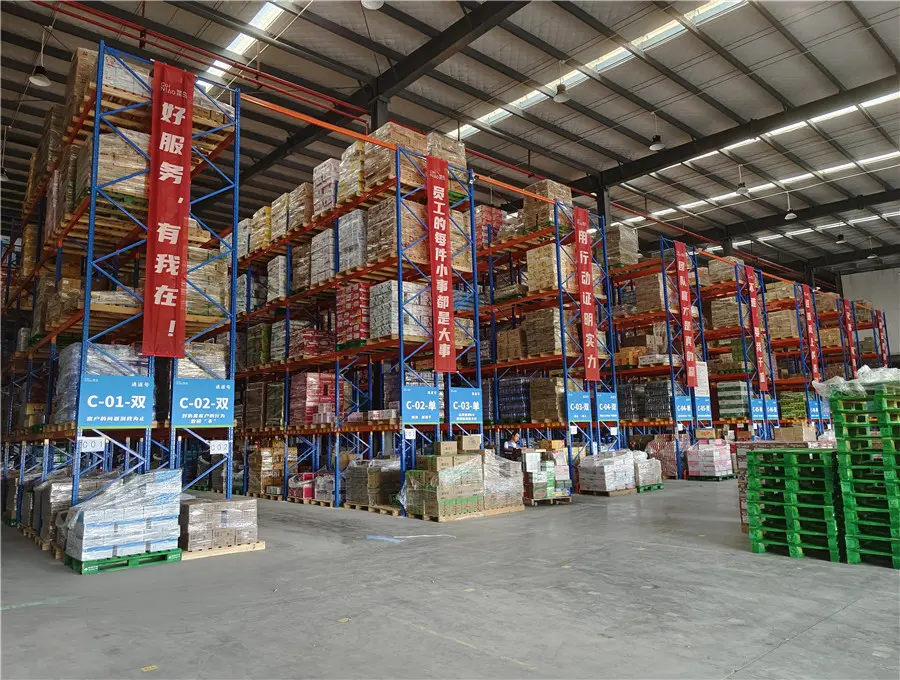
The transition from manual material handling to semi-automated and fully autonomous logistics infrastructure is accelerating. Over the next decade, static racking solutions will increasingly integrate with Automated Storage and Retrieval Systems (AS/RS), warehouse control software, and autonomous vehicle fleets. Intelligent gravity-driven systems and real-time load cell monitoring will allow physical racking structures to continuously feed inventory data directly into enterprise management platforms.
Sustainability is also redefining material specifications. Future warehouse platforms will place high priority on circular-economy assets, such as steel-reinforced recycled plastic pallets and modular structures that can be reconfigured dynamically rather than replaced. Environmental considerations are also reshaping coating chemicals, energy-neutral gravity distribution lanes, and smart power units designed to minimize carbon footprints throughout the entire warehouse lifecycle.
Browse our heavy-duty product selection, featuring specialized systems optimized for structural integrity and transport efficiency.
Expert insights addressing common engineering, procurement, and shipping considerations for industrial equipment.
We primarily utilize standard Q235B and Q355B structural carbon steel. Q355B has a higher yield strength (minimum yield strength of 355 MPa) compared to Q235B (235 MPa), making it ideal for tall, heavy-duty upright frames and long-span load beams where maximum load-carrying capability and minimal deflection are critical.
Our engineering department conducts comprehensive finite element analysis (FEA) simulations based on local geographical requirements. For earthquake-prone regions like Japan, systems are engineered with heavy-duty footplates, larger anchor bolts, and specialized frame bracings that meet or exceed standard Japanese seismic regulations, guaranteeing structural stability under lateral force acceleration.
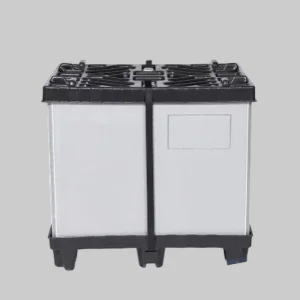
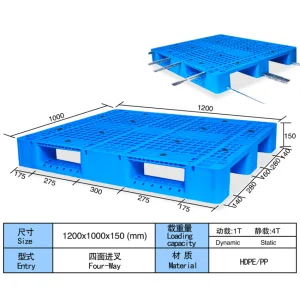
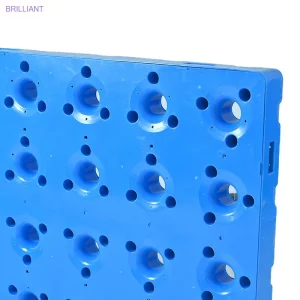
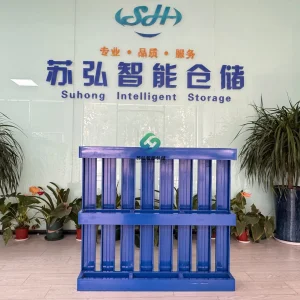
Standard plastic pallets are prone to creep deformation under sustained loads, especially in elevated racking structures. By inserting internal, galvanized steel tubes into the pallet's structure, the load-bearing capacity increases substantially (up to 1,500kg in high racking configurations) while maintaining a clean, washable plastic exterior ideal for hygiene-sensitive industries.
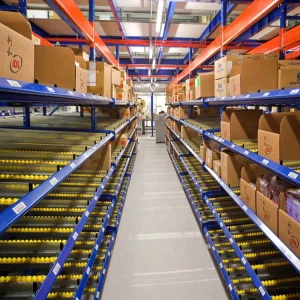
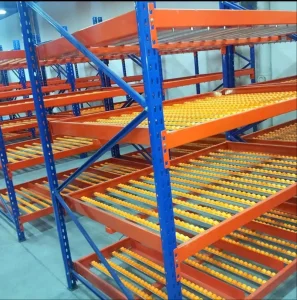
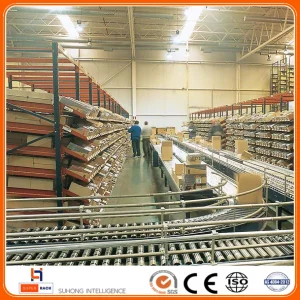
Gravity-flow systems operate on a FIFO (First-In, First-Out) model, utilizing inclined roller beds. When a pallet is picked from the front face, the behind pallets slide forward automatically. This reduces interior forklift travel times, eliminates unnecessary picking aisles, and maximizes dense storage footprints by keeping all inventory continuously forward-facing.
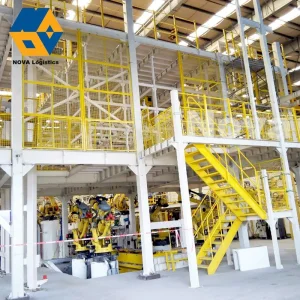
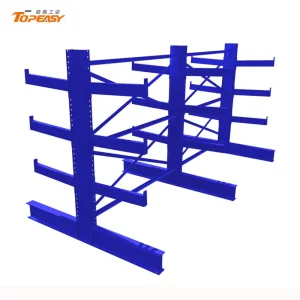
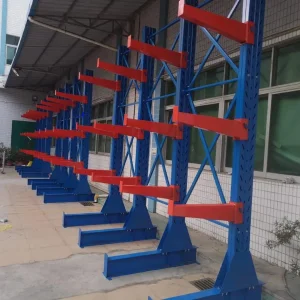
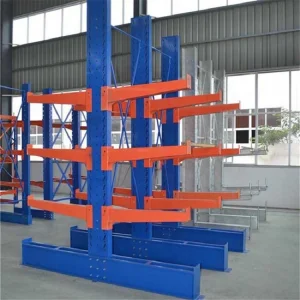
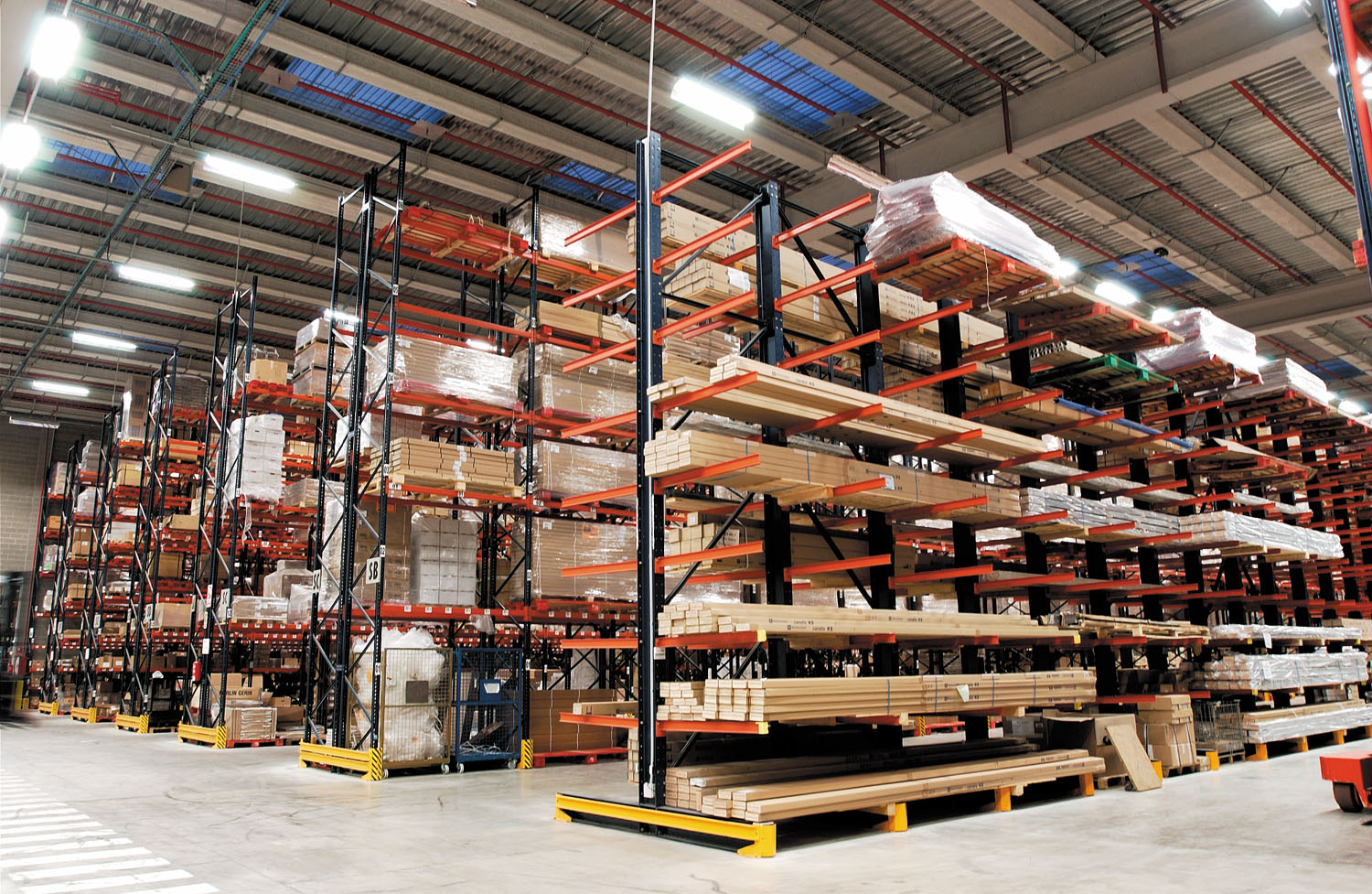
Yes, customization is one of our primary capabilities. Whether it is manufacturing heavy-duty cantilever racks with adjustable arm angles for PVC piping, designing structural steel mezzanine platforms to double usable floor space, or customizing cold-storage racking, we tailor all structural elements to meet the layout and load requirements of your facility.
 Asia Racking