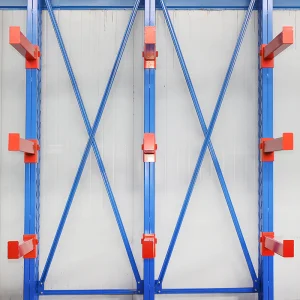
Explore our high-performance modular racking, structural metal wire cages, and reinforced pallets engineered for peak industrial efficiency.
In today's highly hyper-competitive global supply chain ecosystem, effective Warehouse Layout Planning is no longer just about spatial organization—it is the foundational architecture of operational velocity, asset optimization, and risk mitigation. Enterprises worldwide face mounting pressures from e-commerce acceleration, omnichannel fulfillment, and fluctuating labor availability. Sourcing from premier China Warehouse Layout Planning Factories & Suppliers offers global procurement directors unprecedented cost-efficiencies without compromising structural integrity or technological compliance.
Expert Insight: According to leading global supply chain analytics, optimized warehouse layout design reduces overall material handling travel times by up to 45%, directly lowering operational expenditure (OPEX) and maximizing vertical cubic storage capacity.
Modern procurement executives demand modularity, scalability, and rapid deployment. Whether managing cold-chain distribution centers in North America, automotive manufacturing plants in Europe, or fast-moving consumer goods (FMCG) hubs in Southeast Asia, industrial buyers require custom-engineered racking frameworks. Top-tier Chinese manufacturers integrate advanced CAD/BIM simulations, finite element analysis (FEA), and automated guided vehicle (AGV) compatibility into their preliminary warehouse planning protocols. This ensures seamless integration with modern Warehouse Management Systems (WMS) and automated storage and retrieval systems (AS/RS).
The evolution of warehouse planning is steered by Industry 4.0 paradigms. Digital twins, IoT-enabled sensors embedded in structural uprights, and AI-driven slotting optimization algorithms represent the next frontier. Forward-thinking suppliers from China are pioneering smart storage ecosystems where heavy-duty cantilever racks, gravity flow systems, and multi-tier mezzanines communicate in real-time load analytics. This future-proofs warehouse investments against unexpected surges in SKU proliferation and rapid inventory turnover cycles.
Uncompromising manufacturing excellence paired with personalized engineering support to guarantee optimal industrial performance.


Tailored storage frameworks engineered for specialized vertical markets across the globe.
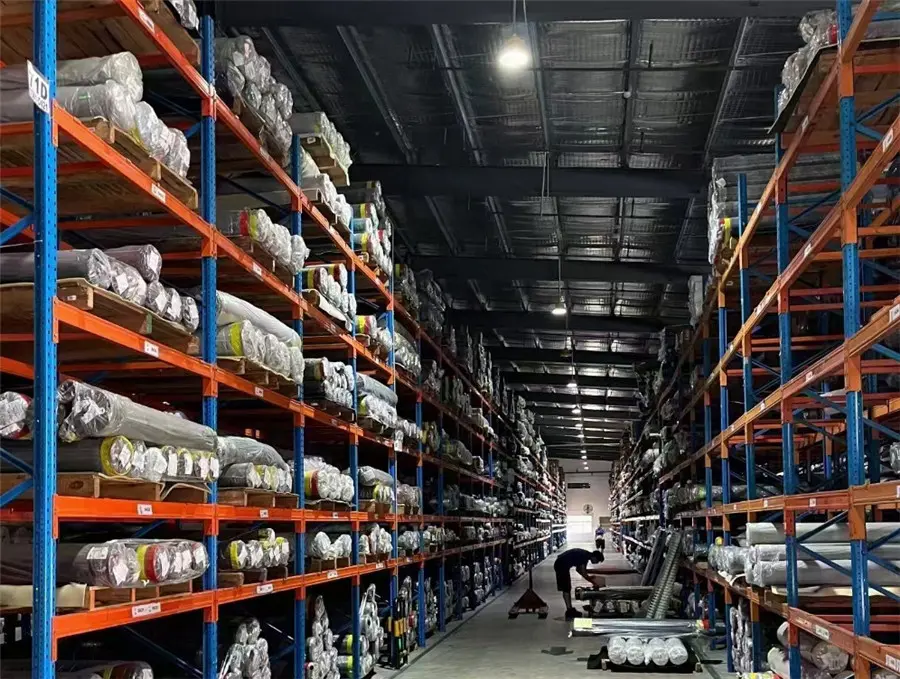
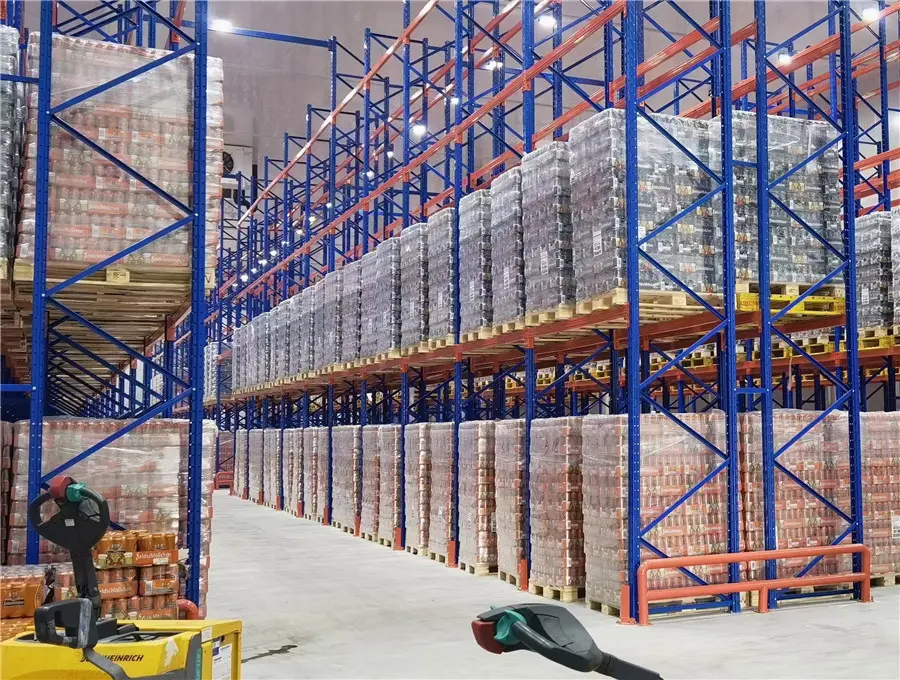
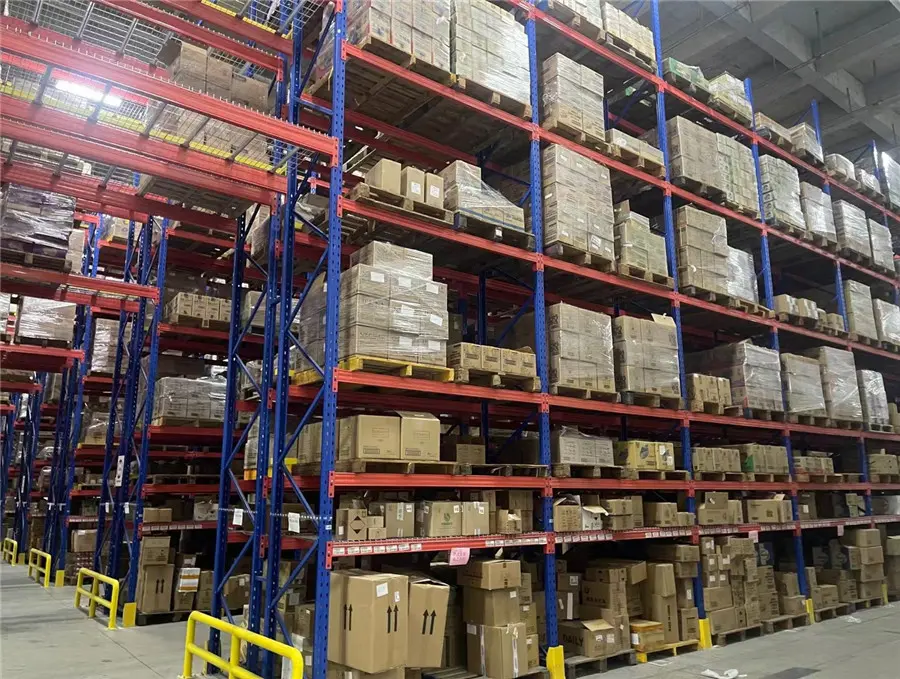
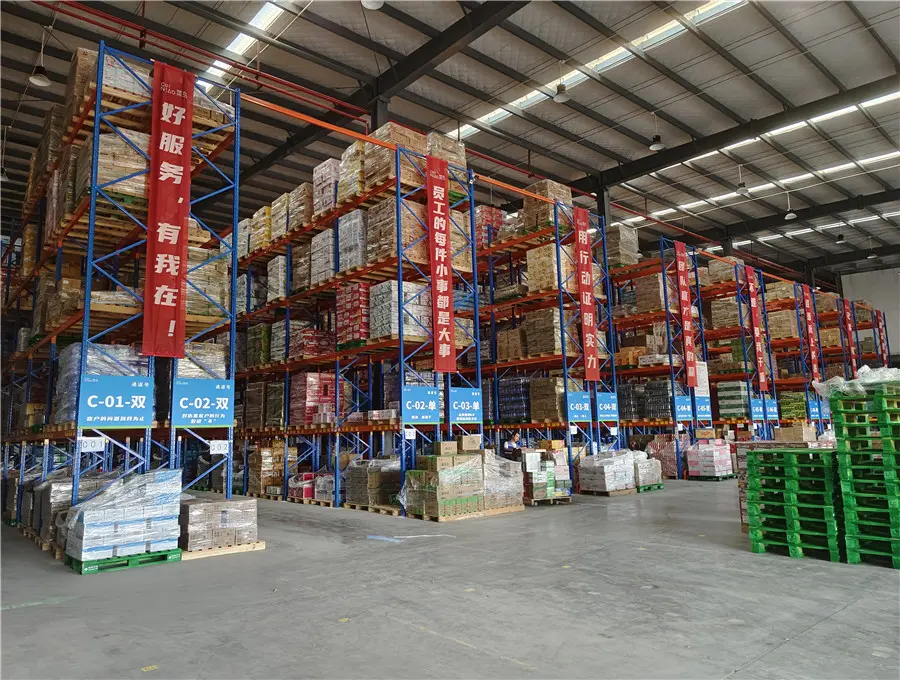
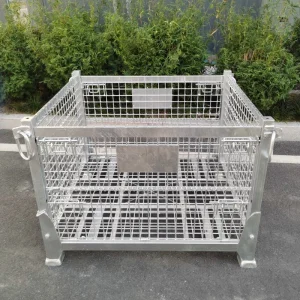
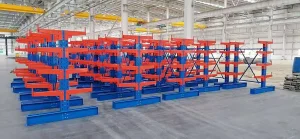
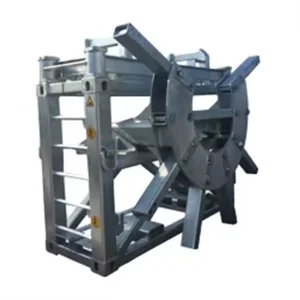
Discover our structural cantilever racks, gravity flow shelving, and secure steel transport frames built for heavy commercial duty.
Asia Racking is dedicated to delivering the widest selection of warehouse equipment available anywhere. We have both new and used equipment and can also mix and match both to meet your needs. Paired with our outstanding customer service and competitive pricing, there is no other supplier anywhere who will serve your needs better or more efficiently.
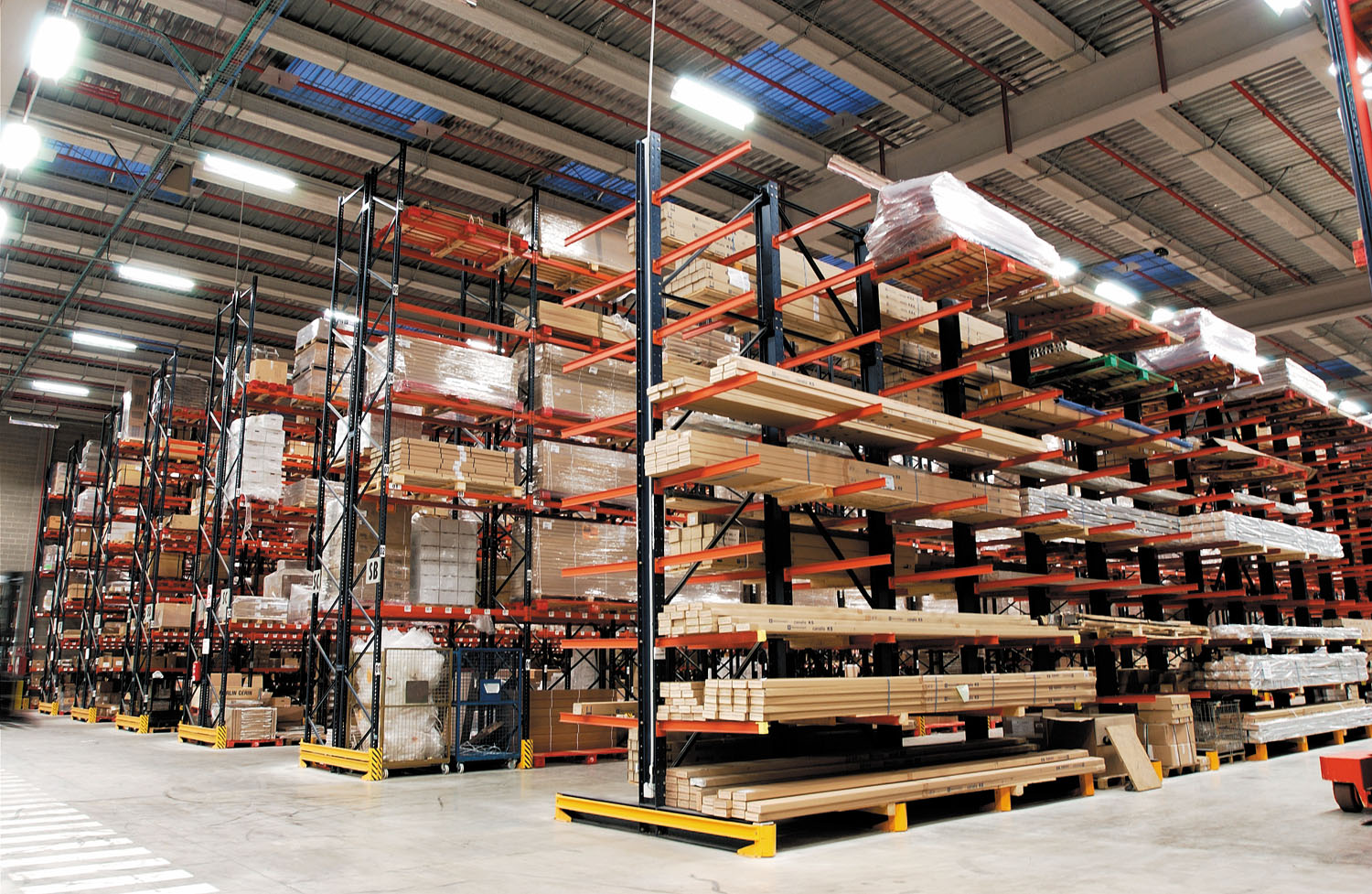
Navigating international import regulations requires rigorous adherence to local structural and safety benchmarks. Our manufacturing plants maintain stringent compliance with RMI (Rack Manufacturers Institute), FEM (European Federation for Materials Handling), and AS-4084 standards. Every product undergoes strict load-bearing tests, anti-corrosion galvanization processes, and seismic impact simulations to ensure absolute reliability across diverse geographical environments.
Key priorities include SKU velocity analysis, floor space utilization versus vertical cubic capacity, material handling equipment turning radiuses, ergonomic picking paths, and future scalability for automated systems like AGVs and AS/RS.
Leading manufacturers design products according to strict international codes such as RMI, FEM, and AS-4084, utilizing high-grade structural steel and conducting rigorous finite element analysis (FEA) and load testing prior to export.
Yes, customized solutions are standard practice. Specialized coatings (such as hot-dip galvanizing for cold storage or rust-proof finishes for chemical/pipe storage) and bespoke structural reinforcements are engineered to order.
Lead times vary based on project scale and complexity, typically ranging from 3 to 6 weeks for manufacturing, supported by end-to-end logistics coordination and dedicated installation guidance.
 Asia Racking