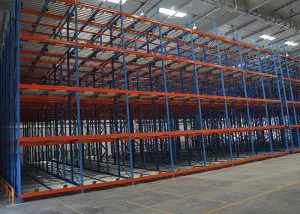
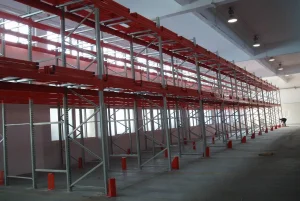
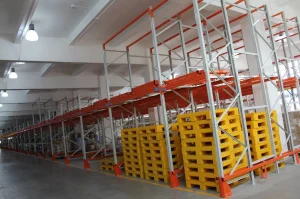
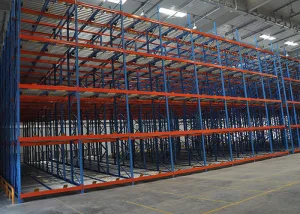
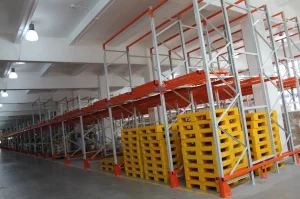
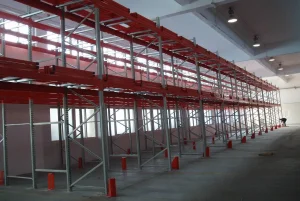
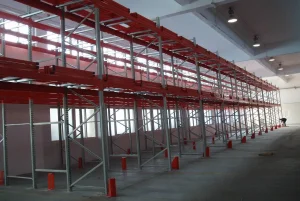
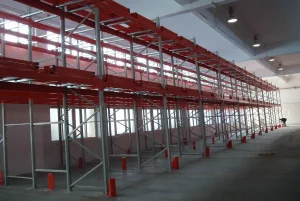
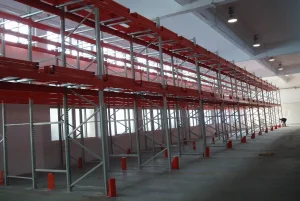
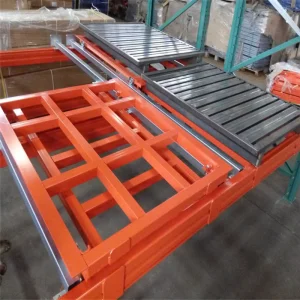
Premium gravity-cart and pushback warehousing installations engineered for maximum footprint efficiency.
As Rwanda accelerates its economic diversification under Vision 2050, the Southern Province—centered around the Gitarama (Muhanga) economic zone—is transforming into a critical national logistics and assembly crossroad. Strategic positioning along major transit corridors demands rapid structural optimization of warehousing spaces.
Gitarama’s location acts as a geographical pivot connecting Kigali to the Western and Southern Provinces, extending trade pipelines directly to the Democratic Republic of Congo (DRC) and Burundi. Consequently, land values within Muhanga’s industrial sectors have seen a sharp upward curve. Warehouses are forced to shift from traditional, low-efficiency horizontal storage to sophisticated, vertical high-density systems. This is where high-durability Pushback Pallet Racking Systems become a critical macro solution.
Local agro-processing centers, coffee exporters, FMCG distributors, and construction material suppliers in Gitarama face seasonal inventory spikes. Storing dynamic pallet loads without risking structural collapse or stock accessibility degradation requires engineering expertise that simple racking configurations cannot deliver. By deploying pushback racking systems, importers and industrial operations in Muhanga can increase active warehouse volume capacity by up to 75% compared to selective rack layouts, while preserving high selectivity on the aisle face.
Providing structural engineering excellence, direct factory pricing, and certified installation services.
We use only the highest quality structural and roll-formed steel to create each set of shelves, ensuring that you can see the premium structural integrity of our products at a glance.
We strictly control every production step to meet your supply needs on time, quality, and quantity, so you can trust that you're getting the best possible structural steel solution.
We specialize in creating professional and suitable storage rack solutions that are tailored to meet the unique seismic, environmental, and volumetric needs of your warehouse.
We have a complete after-sales service system that includes one-to-one engineering support to quickly handle any layout changes or installation issues that may arise.
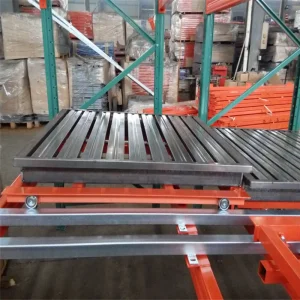
Pushback racking systems utilize nesting carts that glide along inclined rails under the force of gravity. This combination of structural physics and design enables high-density Last-In, First-Out (LIFO) storage configurations.
In standard selective racking, forklifts must navigate deep aisles to access individual pallets, resulting in up to 60% of floor space dedicated strictly to transit lanes. A pushback design groups pallet storage lanes together, allowing pallets to be loaded from the front aisle. As a forklift pushes a new pallet into the lane, it gently displaces the existing pallet backward onto the next nested cart. When a pallet is retrieved, the remaining pallets automatically glide forward to the front aisle face at a controlled speed.
Understanding the exact logistics trade-offs between dynamic warehousing configurations is key to picking the correct layout for your facility:
Tailored warehousing rack installations matched to the unique operational demands of key Rwandan trade sectors.
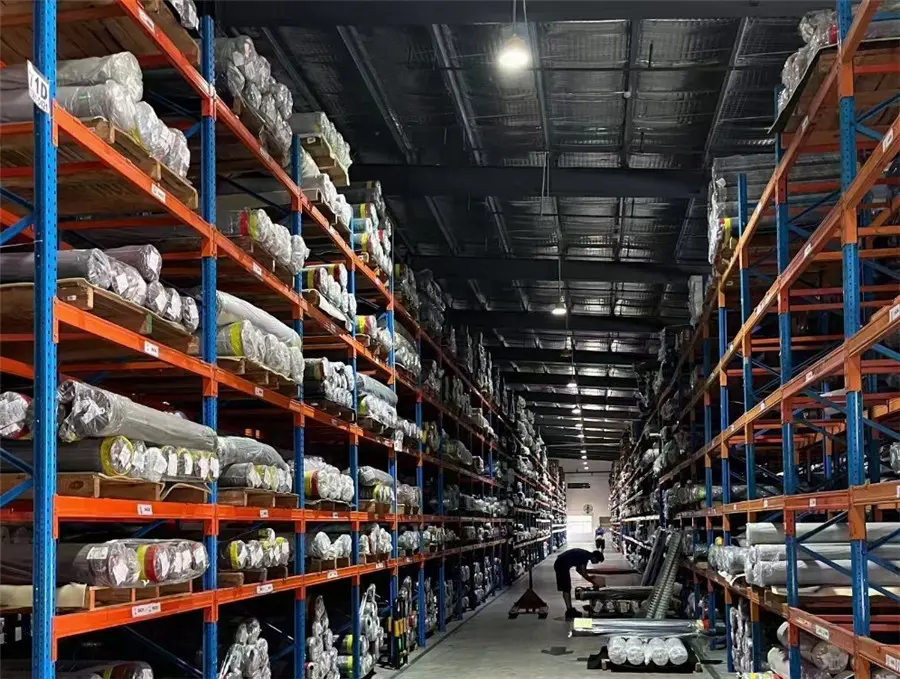
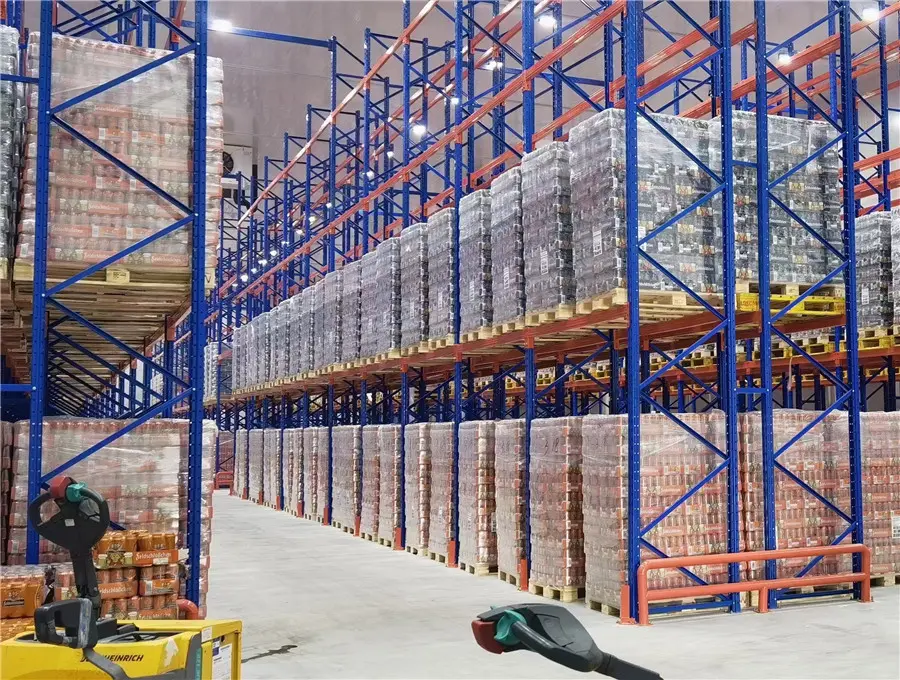
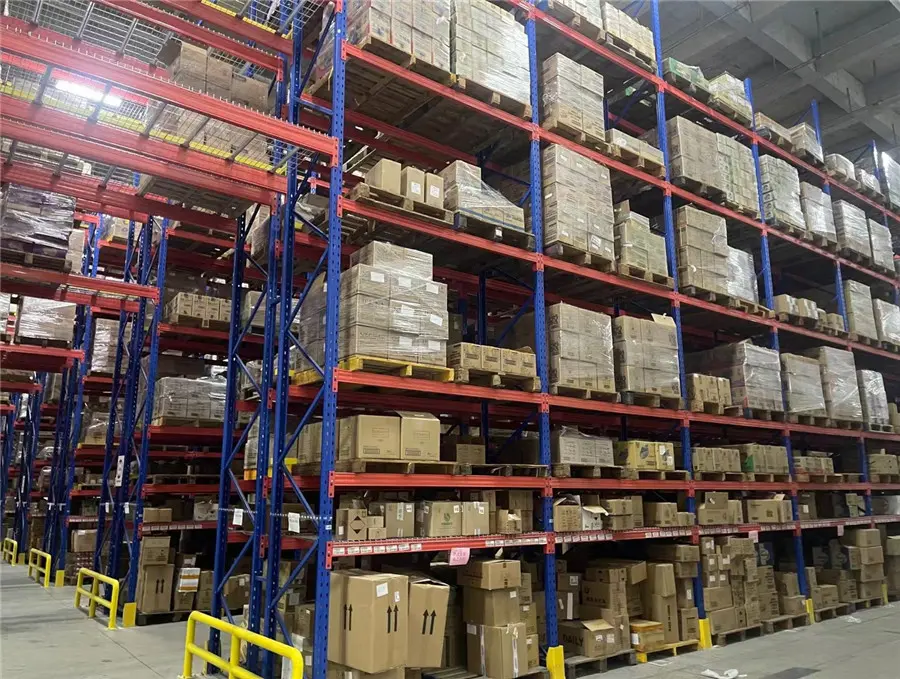
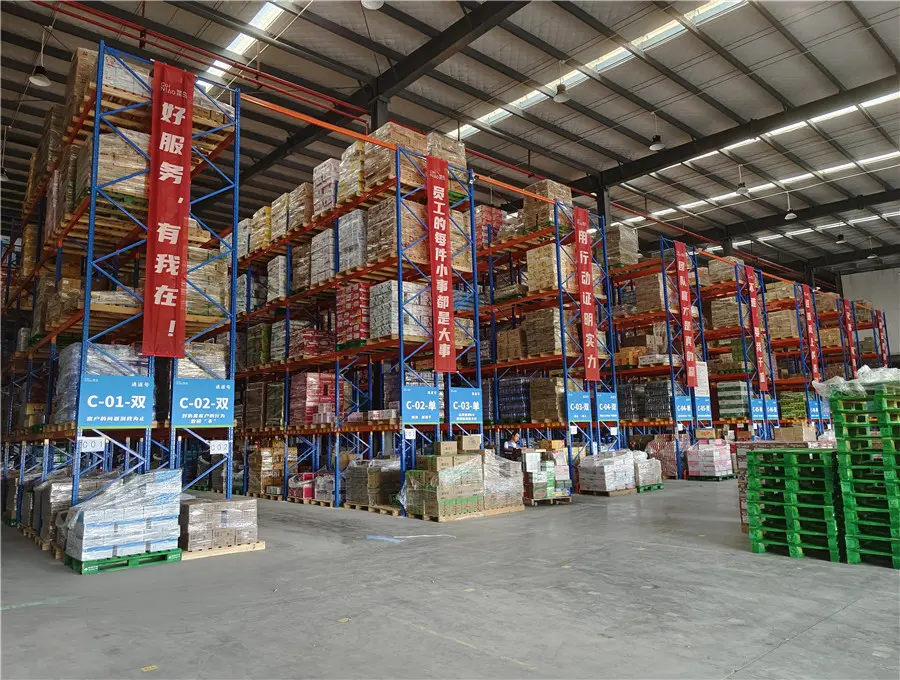
Asia Racking is dedicated to delivering the widest selection of warehouse equipment available anywhere. We supply both new and used equipment, with the ability to mix and match solutions to meet your specific requirements.
Paired with our outstanding customer service and competitive pricing, we strive to serve your needs efficiently and reliably. Our structural engineers design systems according to international standards (including FEM and RMI specifications), ensuring structural safety in active industrial zones like Muhanga/Gitarama.
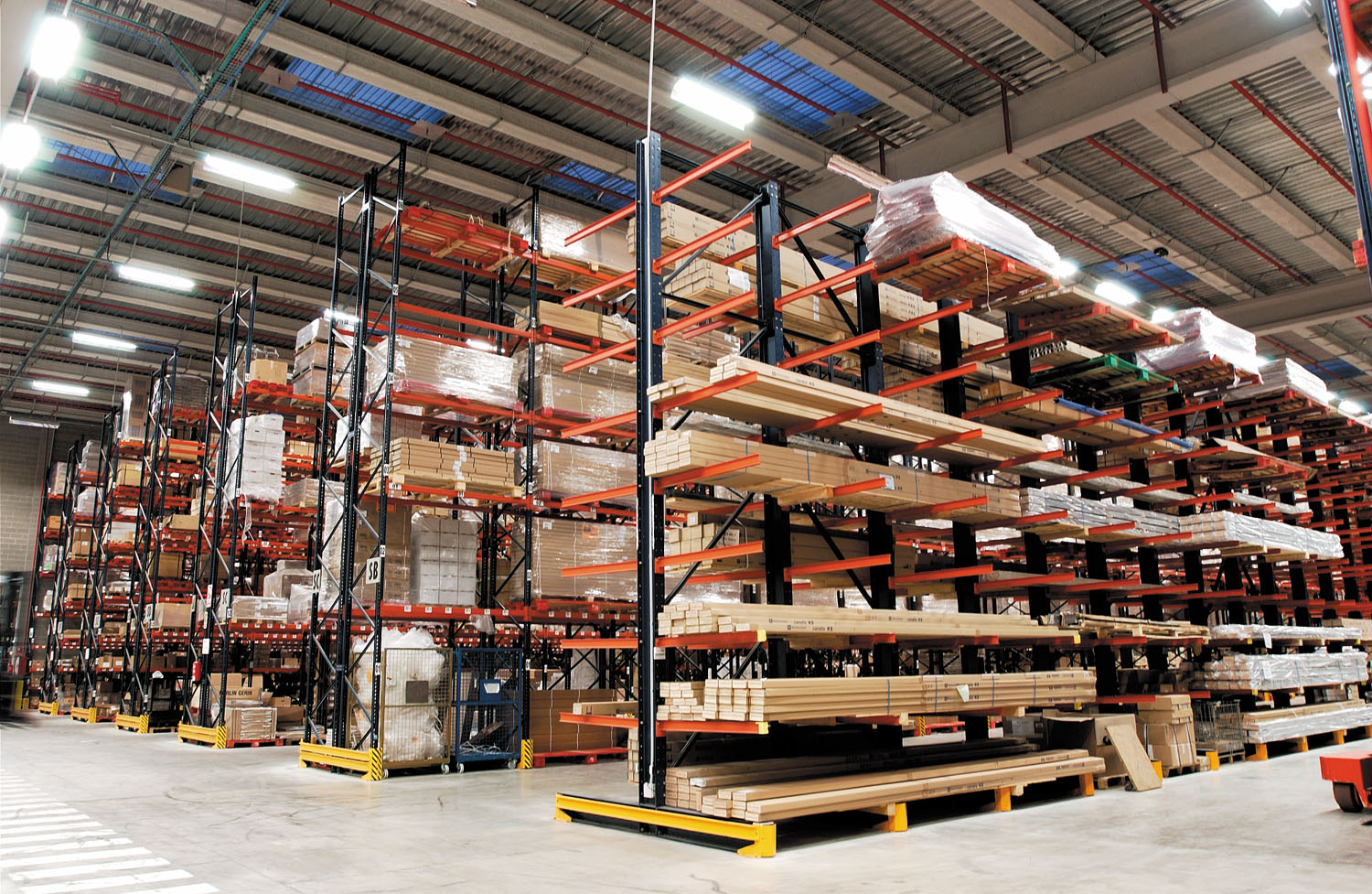
Installing industrial steel racking in East Africa requires careful attention to regional geological risks, specifically the seismic activity associated with the East African Rift System.
When exporting and installing racking systems for the Gitarama market, we perform site-specific structural analyses. These calculations account for concrete floor load capacities and localized seismic coefficients. Our pushback racking installations utilize premium, high-tensile structural steel components to withstand both forklift impacts and environmental shifts.
Modern supply chains are adopting digital integration, and racking infrastructure must adapt to support these new technologies.
Our engineering roadmap includes compatibility with semi-automated material handling setups, such as laser-guided AGVs (Automated Guided Vehicles). By maintaining tight manufacturing tolerances, our pushback carts provide the alignment accuracy required by automated systems, reducing human error and increasing product throughput.
Additionally, we are exploring real-time monitoring solutions. By integrating IoT load-cell sensors along the structural rails, warehouse managers can monitor weight distribution and track real-time deflection metrics. This data helps identify overload risks before structural damage occurs, supporting safer and more efficient warehouse management.
Detailed answers to common questions about pushback rack deployment in the Gitarama market.
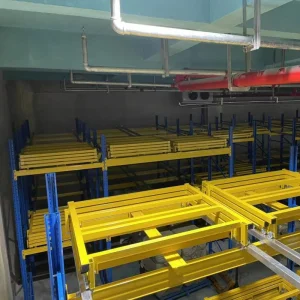
Our pushback racking systems can be configured to store pallets from 2 to 6 deep per lane. Two-deep configurations utilize a single cart riding on a sloped track, while larger configurations use nested cart assemblies that stack atop one another to save vertical clearance space.
No special forklifts are required. Standard counterbalance and reach trucks can load and unload pushback racks. The forklift operator simply pushes the front pallet back using the next pallet to be loaded, without needing to enter the rack structure itself.
Pushback racking is well-suited for cold storage facilities because it maximizes storage density, reducing the volume of air that needs to be cooled. For cold-storage applications, we use low-temperature lubricants on the cart bearings and heavy duty hot-dip galvanized steel to protect against condensation-induced corrosion.
We analyze the seismic activity profiles of the Southern Province in Rwanda. Our designs use wider, reinforced baseplates, heavier concrete anchor bolts, and specialized frame bracing patterns to ensure the racking remains stable under seismic forces.
Maintenance is minimal. We recommend semi-annual inspections to clear any debris from the sloped tracks and check the cart alignment. Our cart wheels feature sealed, lifetime-lubricated bearings that minimize long-term maintenance requirements.
Browse our complete line of certified industrial racking products, direct from the factory to your site.
Contact our logistics engineering team to design a custom high-density storage layout for your warehouse facility.
 Asia Racking