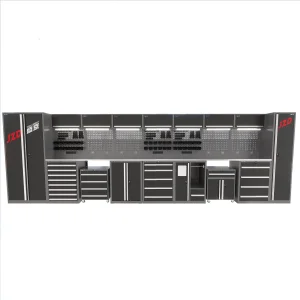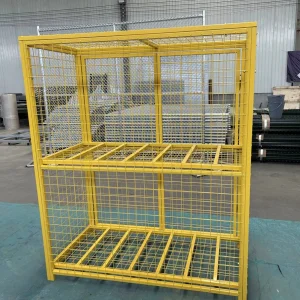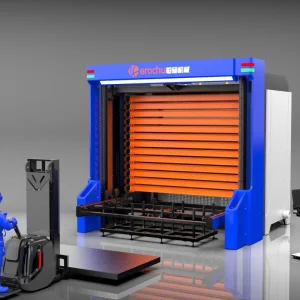
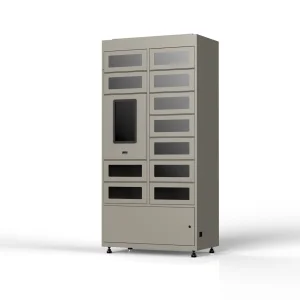
Kiribati, an island nation comprising 32 atolls and one raised coral island scattered across millions of square kilometers of the Central Pacific, presents some of the most logistically demanding environments on Earth. For local companies, administrative bodies, and global engineering enterprises operating in Tarawa, Betio, or Kiritimati Island, physical storage security is not merely an operational concern—it is a critical element of survival. The geography of Kiribati dictates that all structural steel systems, electronic servers, and bulk materials endure exceptionally high relative humidity, extreme airborne salinity, and prolonged exposure to intense UV radiation.
Modernization initiatives in Kiribati, such as the Tarawa Water and Sanitation Project and updates to seaport and airport structures, require specialized storage cabinets, lockers, automated racking systems, and cloud management tools designed for high resilience. Local storage structures must withstand salt spray while retaining their anti-theft and structural characteristics over decades of usage. Without high-specification rust protection and advanced zinc-alloy plating, conventional metal furniture degrades in under two years in these environments.
Globally, the transition to Industry 4.0 has transformed storage from static, passive physical space into dynamic, security-optimized assets. Automated storage and retrieval systems (ASRS), high-security tool storage cabinets, and clean storage systems are standard requirements for complex logistical hubs. However, the international supply chain remains vulnerable to maritime transport disruptions, energy shortages, and raw steel pricing volatility.
For isolated economies like Kiribati, these vulnerabilities are magnified. Long lead times mean that replacements are costly and slow to deploy. Consequently, local operators require storage units built with a low maintenance threshold, modular assembly components, and high structural safety factors. Modern operations demand hybrid solutions that combine robust physical containment with smart connectivity, protecting critical assets from unauthorized access while tracking inventory levels in real-time.
Chinese steel manufacturing plants leverage significant cost efficiencies, structural design capabilities, and complete raw material ecosystems. Utilizing advanced automated fiber laser cutting tools, high-speed robotic welding cells, and electrostatic dry-powder coating lines, these facilities supply storage systems that meet global certification requirements.
| Performance Matrix | Advanced Chinese OEM Production | Standard Regional Fabricators |
|---|---|---|
| Steel Sheet Sourcing | Hot-Dip Galvanized & High-Tensile Structural Steel | Uncoated Low-Carbon Mild Steel |
| Welding Consistency | High-Precision Robotic Arm Spot Welds | Manual Stick Welding (Vulnerable to Void-Induced Rust) |
| Anti-Corrosion Surface | Multi-Stage Pickling + Zinc-Phosphate + Epoxy Coating | Standard Aerosol Primer and Spray Paint Only |
| Export Readiness | Flat-pack optimized shipping for lower freight costs | Fully assembled, high-volume shipping cost overheads |
By using optimized CAD nesting software, Chinese factories reduce scrap rates and lower production costs. These savings are passed on to the buyer, offsetting ocean shipping costs to South Pacific destinations like Tarawa. Furthermore, leading OEM suppliers provide comprehensive custom modifications, tailoring sizes, lock mechanisms, and ventilation configurations to meet specific maritime specifications.
Betio Port relies on high-security steel cabinets, storage racking, and automated sheet metal storage units to secure spare parts for fishing fleets and municipal equipment. Standard lockers degrade rapidly in these environments. Marine operators utilize cabinets featuring C5-M compliant paint structures and mechanical marine grade locks to protect vital tools from rust and salt spray.
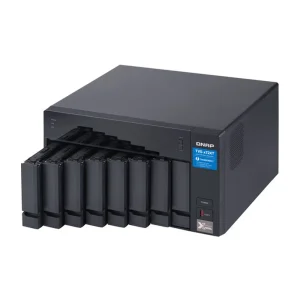
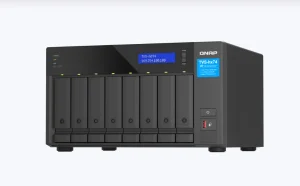
With Kiribati's digital transition, secure IT storage and file archiving are crucial. Rack-mounted servers and secure QNAP NAS units, housed within dust-filtered, climate-controlled enclosures, secure digital records against high ambient humidity and fine salt particles.
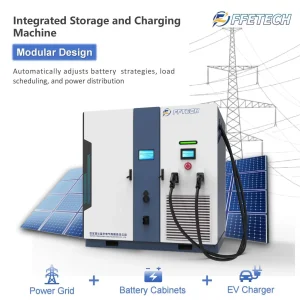
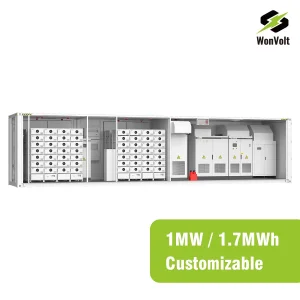
Solar electrification projects across Christmas Island (Kiritimati) and outer atolls require modular battery enclosures. Using heavy-gauge steel cabinets with IP65-rated waterproofing ensures that expensive lithium iron phosphate (LiFePO4) storage batteries are shielded from moisture, theft, and heat buildup.

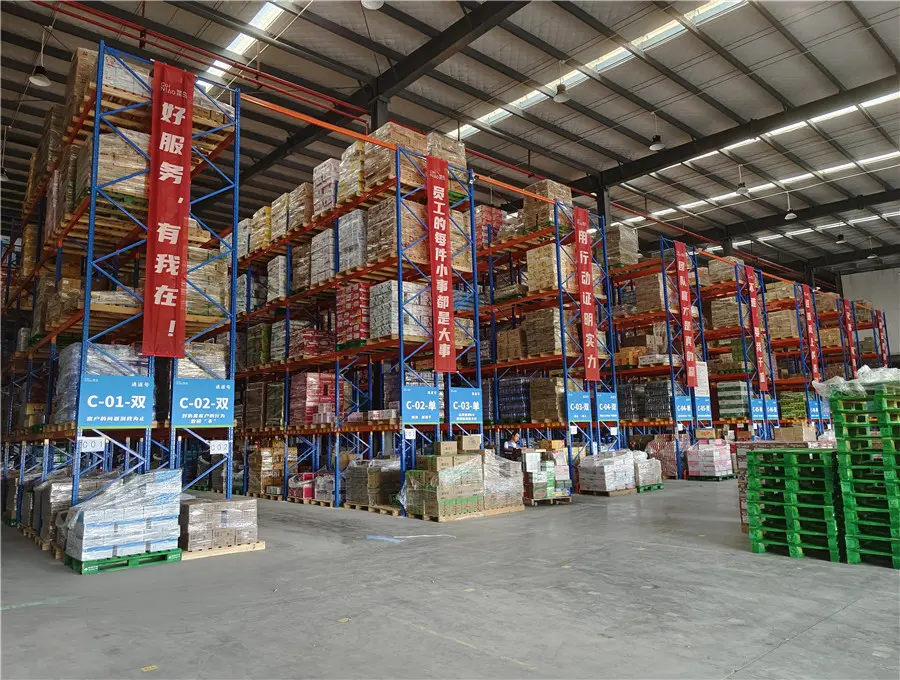
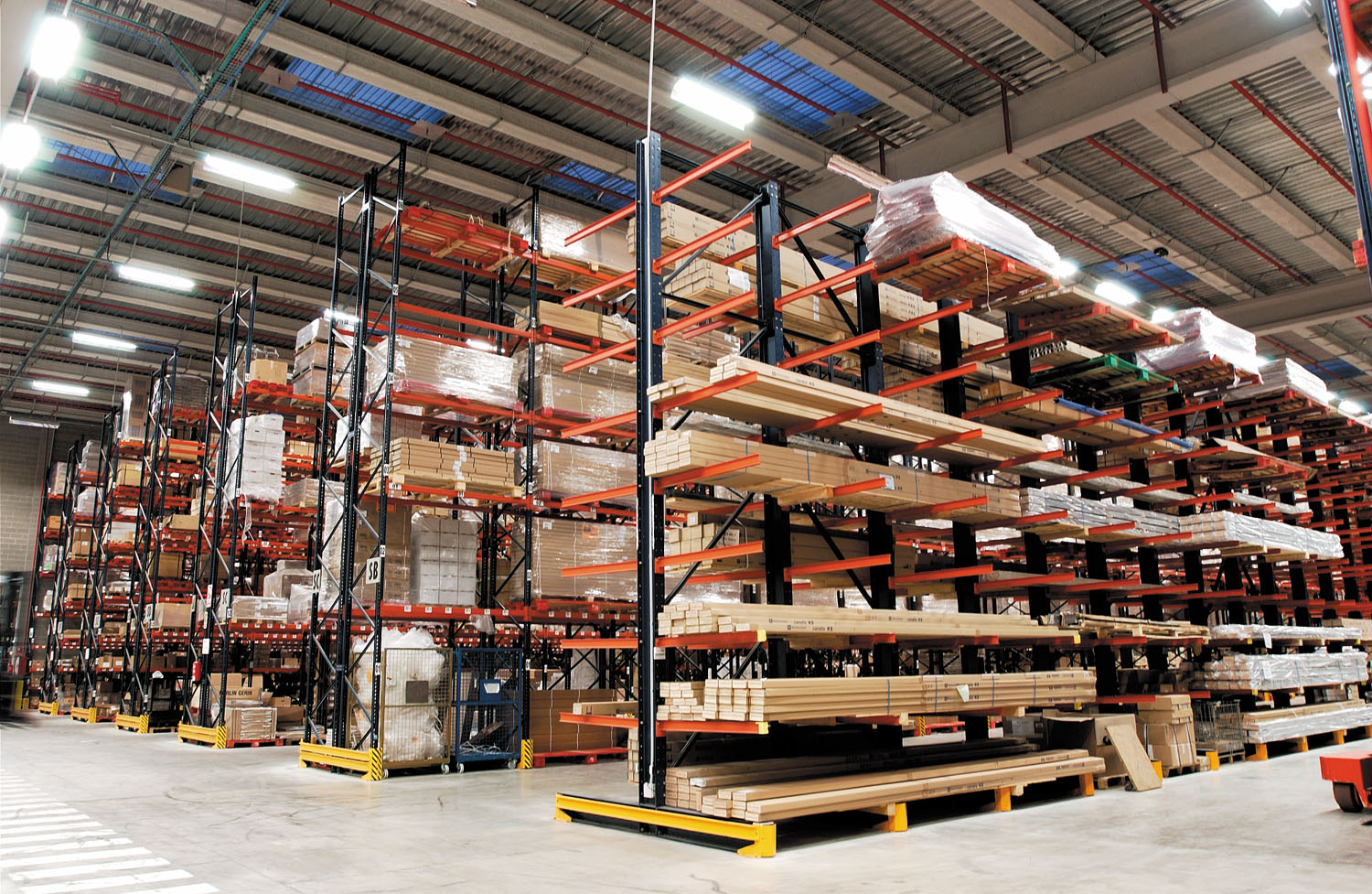
We use only the highest quality steel to create each set of shelves, ensuring that you can see the quality of our products at a glance.

We strictly control every production process to meet your supply needs on time, quality, and quantity, so you can trust that you're getting the best possible product.

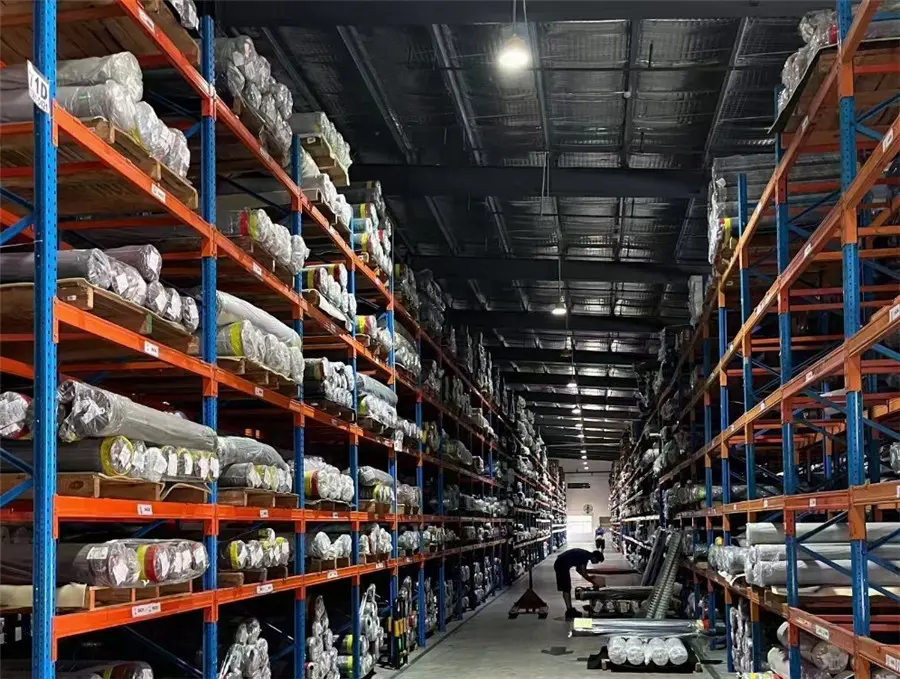
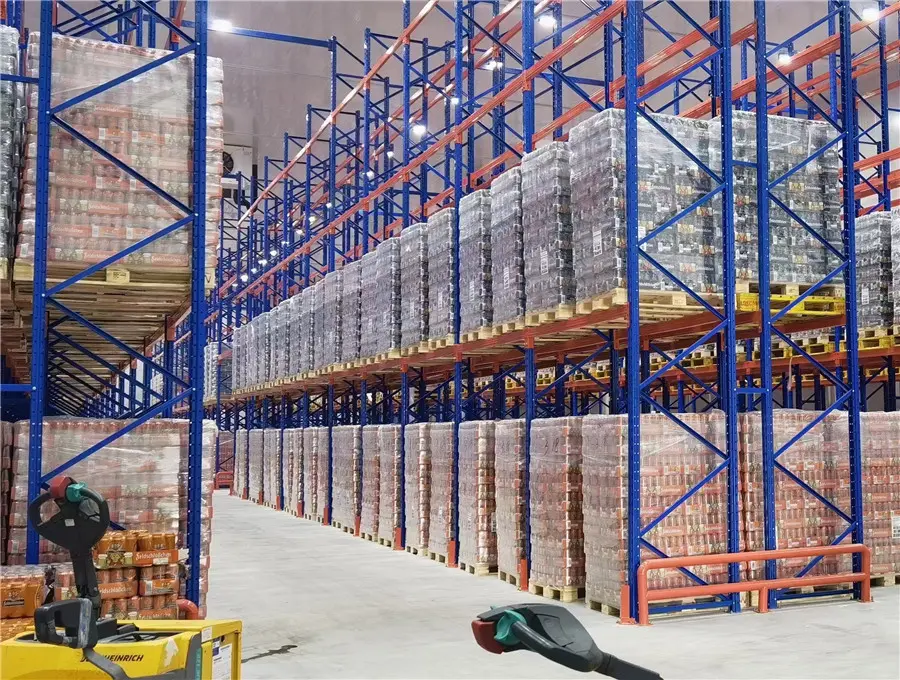
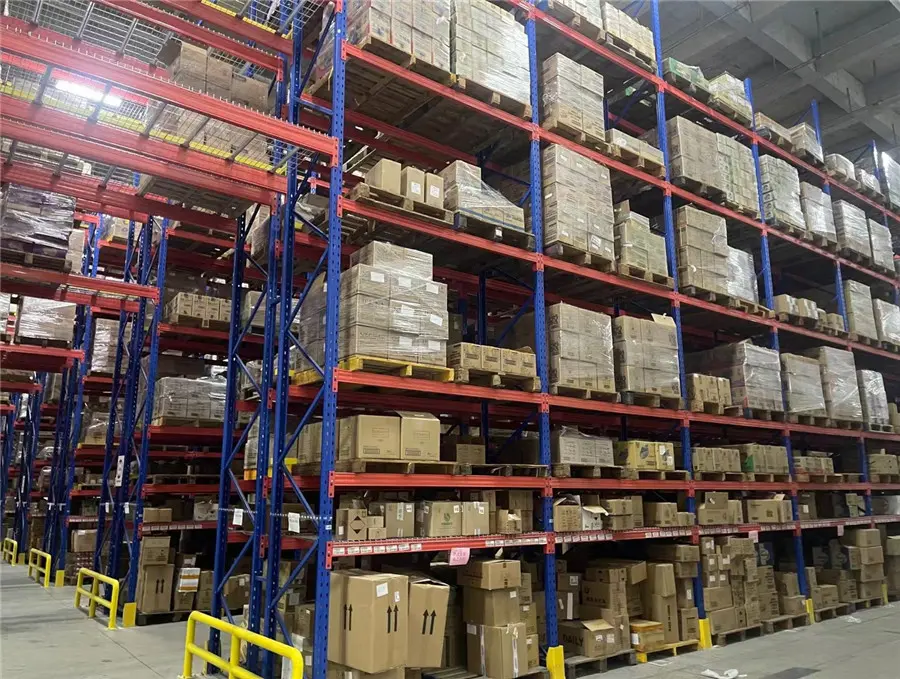
We specialize in creating professional and suitable storage rack solutions that are tailored to meet the unique needs of your warehouse.

We have a complete after-sales service system that includes one-to-one support to quickly handle any issues that may arise, so you can rest assured that you're always in good hands.
The secure storage landscape is evolving toward structural resiliency and integration with remote management technologies. Three key trends define the next generation of industrial storage installations:
Electrodeposition coating (E-coat) processes combined with high-grade fluoro-polymer powder topcoats are replacing standard zinc plating. These multi-barrier coatings provide long-term protection against micro-cracking and salt ingress in coastal marine zones.
Modern storage facilities incorporate solar-powered smart lock hubs, Bluetooth Low Energy (BLE) tracking modules, and biometrics. This enables remote security administrators in central Tarawa offices to monitor access, review log audits, and authorize permissions across distant outer atolls via cloud systems.
With shipping costs to isolated Pacific islands rising, factories are designing modular racking and cabinet solutions that ship flat-packed. These designs assemble quickly on-site using simple hand tools, lowering logistical complexity and local labor overheads.
Procuring heavy industrial hardware for Kiribati requires detailed logistical planning. Below is a strategic checklist for global sourcing managers:
Partner with a reliable manufacturer. Get customized designs, reliable anti-corrosion configurations, and factory-direct pricing for your next project.
Send Inquiry Now Asia Racking