Asia Racking
1 / 5
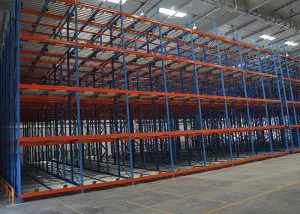
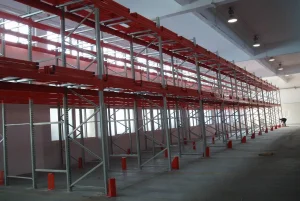
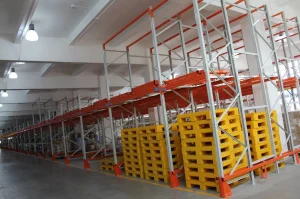
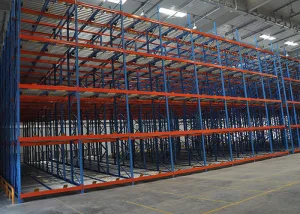
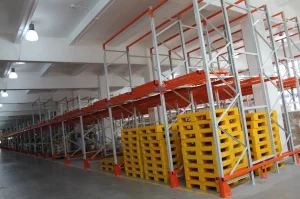
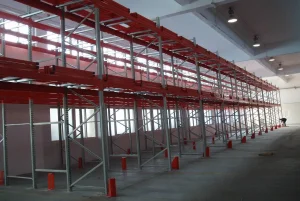
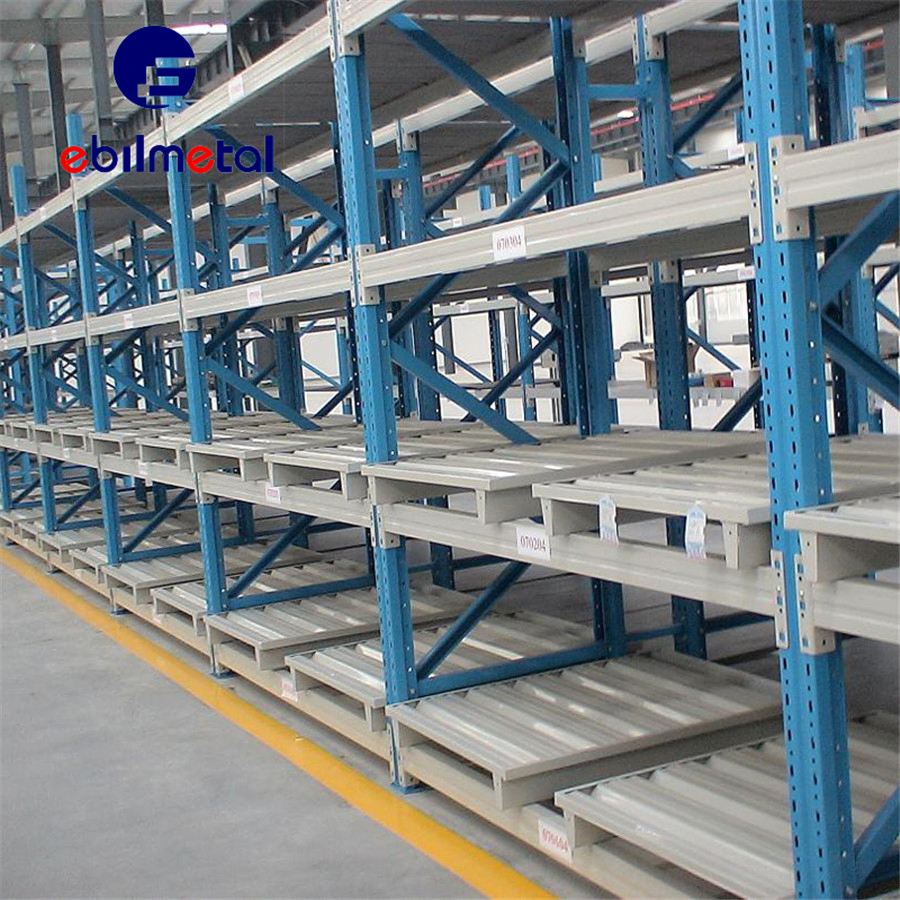
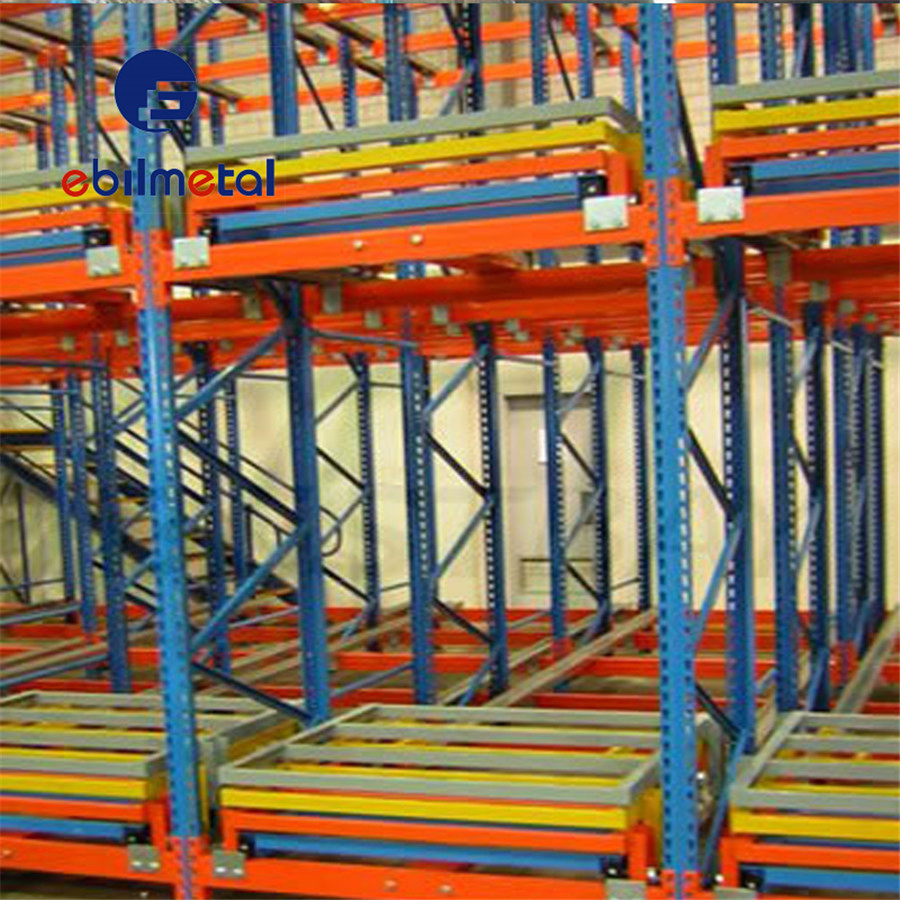
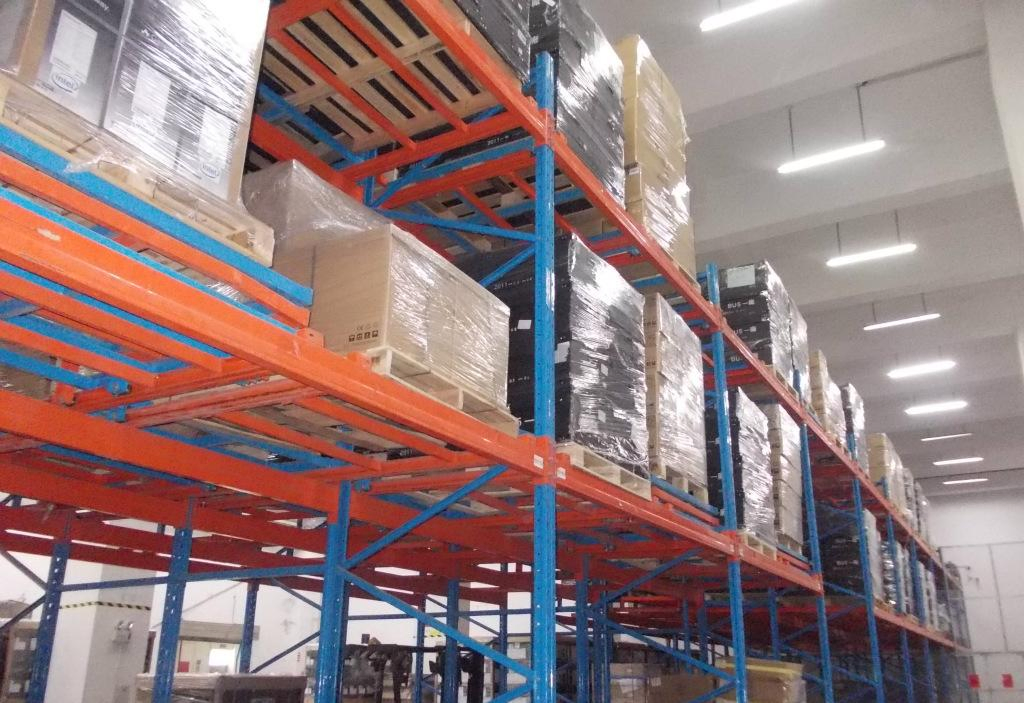
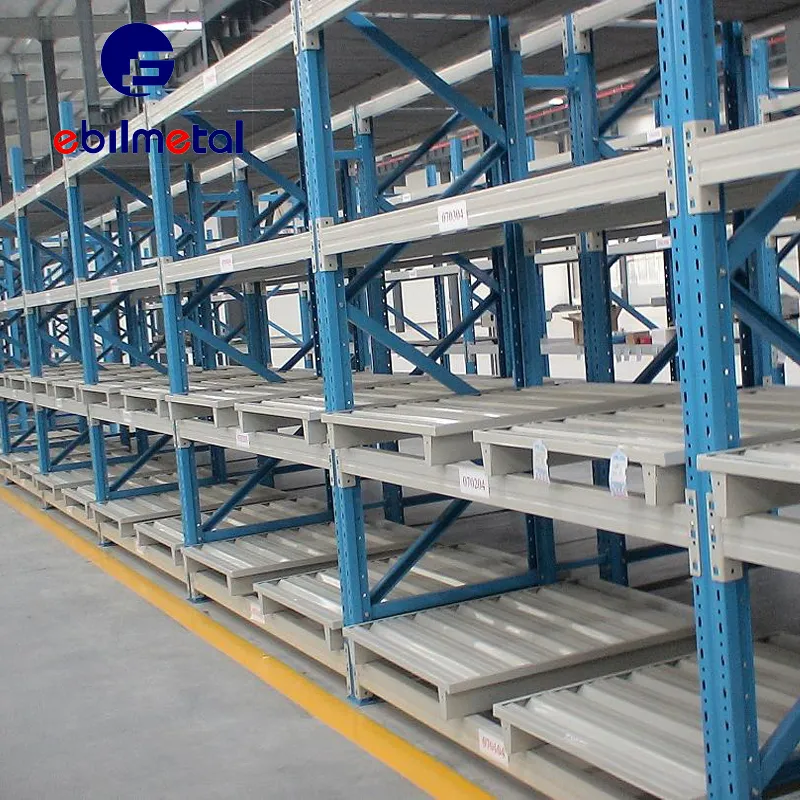
1) Push back racking is designed for the proper segregation of medium-sized items, optimizing warehouse space while ensuring easy retrieval.
2) This system enables both retrieval and deposit to be performed on the same side of the rack, improving operational flow.
3) It is compatible with forklift trucks, support-wheel stackers, and reach trucks for achieving optimum working heights.
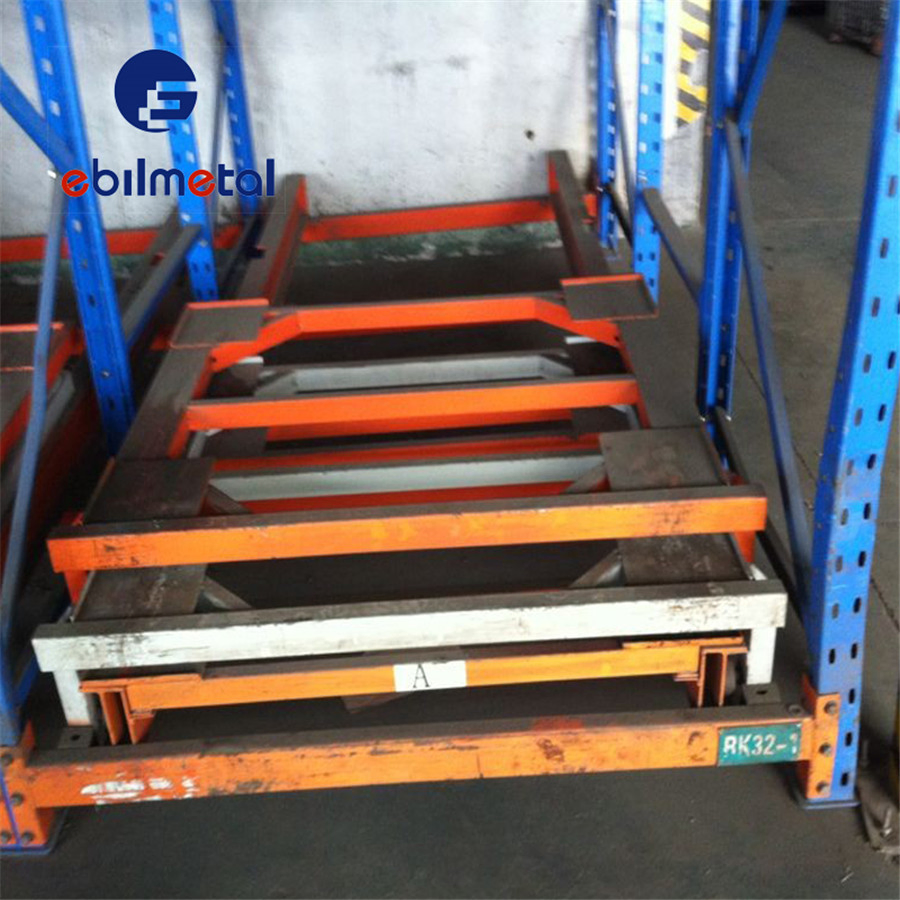
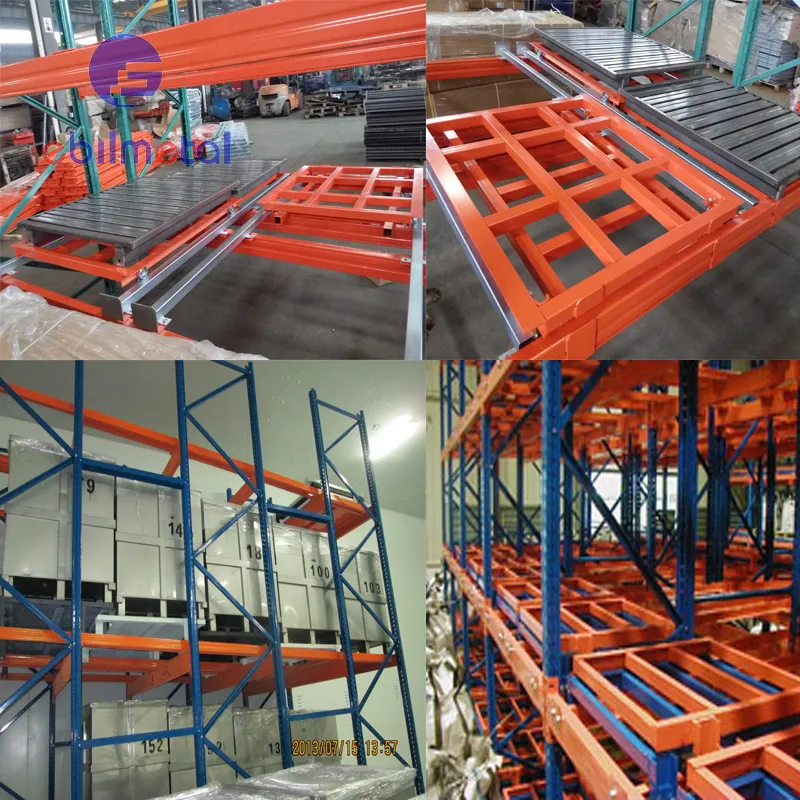
4) The mechanism allows loads to slide in, pushing existing loads further into the channel. When the front load is removed, the remaining loads automatically slide forward to the picking face.
| 1. Drawing (if available) | 2. Size of your warehouse |
| 3. Size of racking (H*W*L) | 4. Number of racking levels |
| 5. Loading capacity per level | 6. Preferred RAL Color |
| System Style | Pallet style, easy installation and adjustable. |
| Certification | CE, ISO9001:2015 |
| Regular Unit Size | (L) 2,700 x (W) 1,050 x (H) 5,025mm |
| Loading Levels | 4 levels standard (customizable) |
| Loading Capacity | 2500kg per level |
| Adjustability | 75mm pitch |
| Standard Colors | Blue, Orange, Green, Red, Grey |
| MOQ | 10 units |
| Delivery Time | 7-15 days (based on 2*40' containers) |

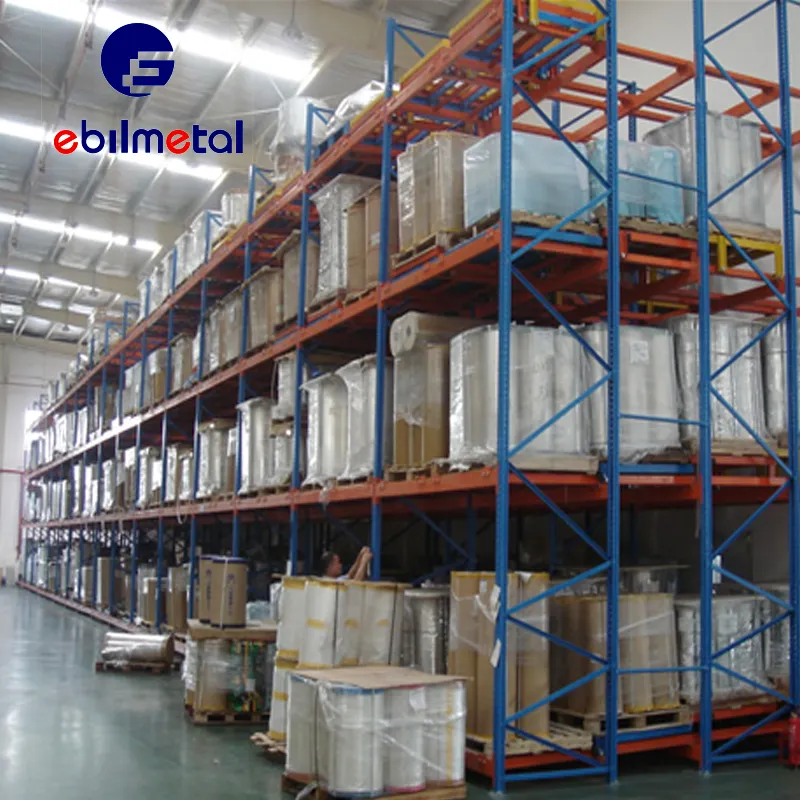

A: Push back rack systems typically allow for storage ranging from 2 to 5 pallets deep per lane, significantly increasing density compared to standard selective racking.
A: Push back racks operate on a FILO (First-In, Last-Out) basis. This means the last pallet loaded into the lane is the first one to be retrieved from the front picking face.
A: No special forklifts are generally required. Standard forklifts, support-wheel stackers, and reach trucks can all be used to operate push back rack systems.
A: Yes, the height, width, length, and loading levels can be customized based on your warehouse requirements. Standard colors include blue and orange, but other RAL colors are available upon request.
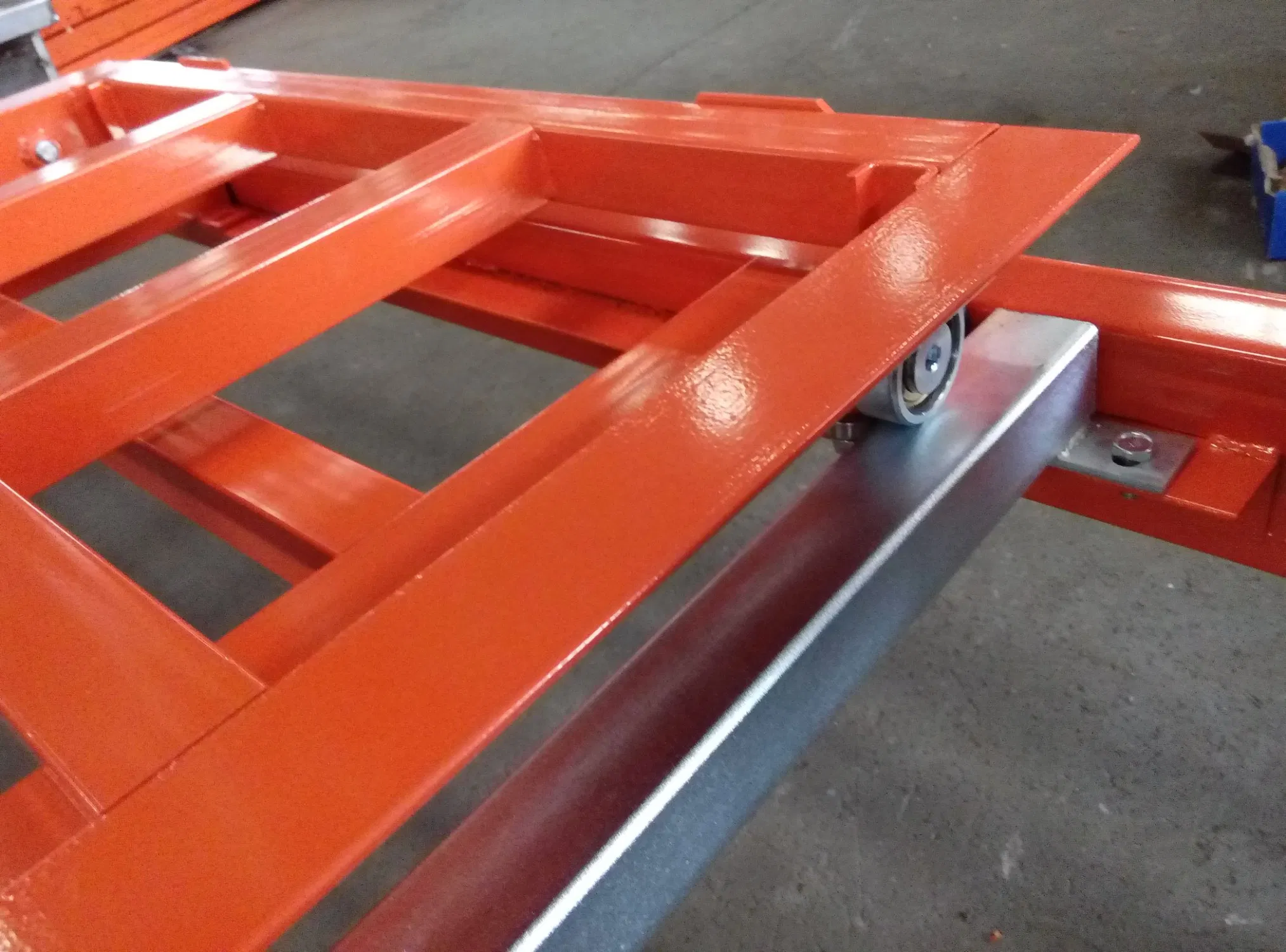
A: Pallets are placed on nested carts that ride on inclined rails. When a new pallet is loaded, it pushes the existing pallets back. When a pallet is removed, gravity causes the next pallet to slide forward to the front.
A: The system is designed for durability. The interlocking carts are engineered to prevent jamming, making it a low-maintenance, high-reliability storage solution.